Trump Announces 25% Tariffs on Autos, Semiconductors, and Pharmaceuticals (image source: "Chat GPT AI Generated Visuals")
Our Daily Dose of Truth and Trends
Trump Announces 25% Tariffs on Autos, Semiconductors, and Pharmaceuticals (image source: "Chat GPT AI Generated Visuals")
Fresh trade tensions have emerged following US President Donald Trump’s indication of a new round of aggressive tariff measures. He warned that countries imposing digital taxes on US technology companies could face tariffs of up to 100% on their exports to the United States. This statement came at a time when global attention was focused on events in the Middle East and renewed discussions regarding Iran.
According to Trump’s public statements, this warning was specifically directed at countries that are considering or implementing Digital Services Taxes (DST). These tax systems are designed to generate revenue from large technology companies operating across borders. Trump argues that these taxes unfairly target US companies.
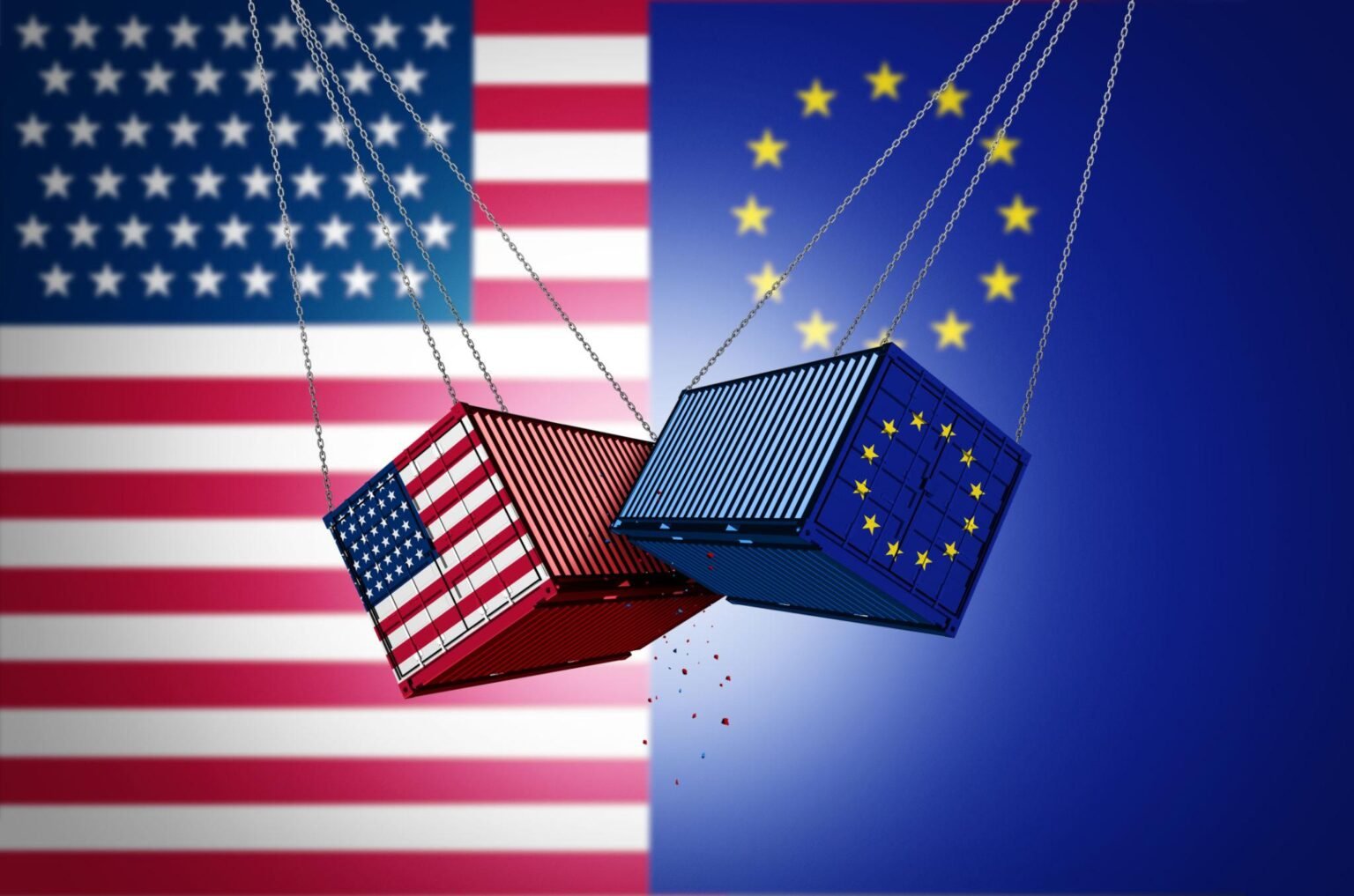
This proposal immediately drew attention in Europe, as many countries have either already implemented digital taxes or are considering increasing them. Countries like France have previously defended such measures, arguing that it is essential to ensure global technology companies pay taxes where economic activities actually take place.
Trump stated that any country imposing such a tax could face an immediate 100% tariff on its goods entering the US market. He also noted that if these tariff measures were implemented, they would supersede existing trade agreements.
The timing of this announcement is significant, as it comes amidst ongoing negotiations regarding broad trade agreements between the US and its European allies. While recent agreements aimed to reduce tariff-related uncertainty and foster a stable trade environment, this new warning has introduced further uncertainty.
Digital taxation has emerged as a major global issue in recent years. Governments argue that international technology companies generate massive revenues in their countries yet pay comparatively low local taxes under the existing system. Technology companies and US officials frequently oppose such measures, contending that they create a discriminatory situation.
Economists state that the impact of tariff hikes extends beyond governments to affect a wide range of stakeholders. Importers, exporters, manufacturers, retailers, and consumers often experience these effects through changes in prices, supply chains, and investment decisions. Academic studies are continuously being conducted to examine the macroeconomic impact of long-standing tariff disputes.
Europe now faces the challenge of balancing its taxation prerogatives with the need for stable trade relations with Washington. European officials have indicated that digital tax policies are matters of domestic policy and should not automatically trigger trade-related penalties.
Financial markets and the international business community are also closely monitoring these developments, as tariff announcements could influence investor sentiment, currency movements, and long-term trade planning.
It remains uncertain whether the proposed tariffs will be implemented or become part of broader negotiations. However, this announcement signals that trade policy is once again emerging as a key issue defining the United States’ relationships with major global economies.