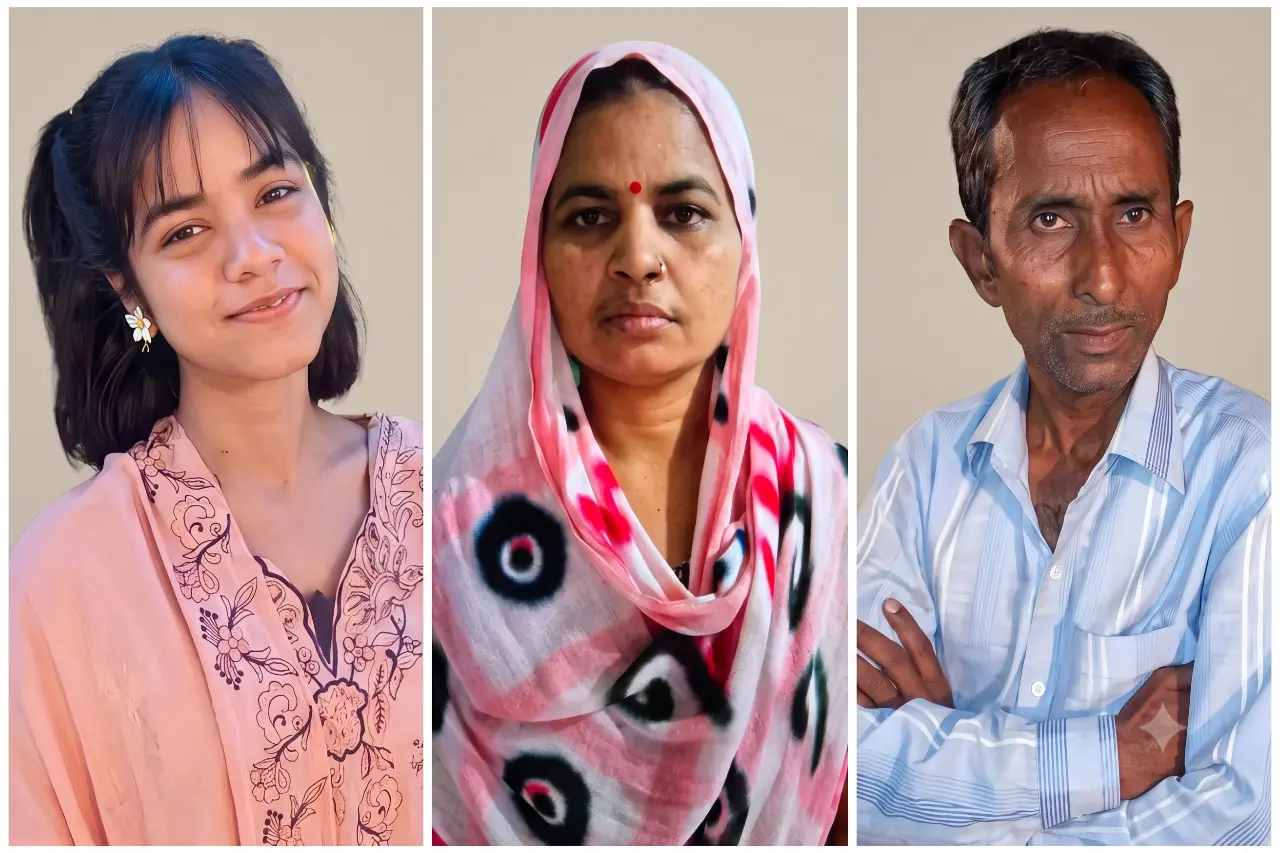
Monsoon Rains Expose Infrastructure Failures in Maharashtra Five Accidents in Just Three Days (image source: " Google Gemini AI Generated Visuals")
Our Daily Dose of Truth and Trends
Monsoon Rains Expose Infrastructure Failures in Maharashtra Five Accidents in Just Three Days (image source: " Google Gemini AI Generated Visuals")
The arrival of the southwest monsoon has once again brought serious concerns regarding infrastructure and public safety in Maharashtra to the forefront. In just three days of torrential rain, five people—including a young child—lost their lives in five separate rain-related incidents. These events have sparked a public debate concerning urban planning, the maintenance of public infrastructure, and disaster preparedness, particularly in Mumbai and its surrounding areas. According to reports, many of these tragic incidents involved building collapses, uprooted trees, and infrastructure failures during the heavy downpour. (Aaj Tak)
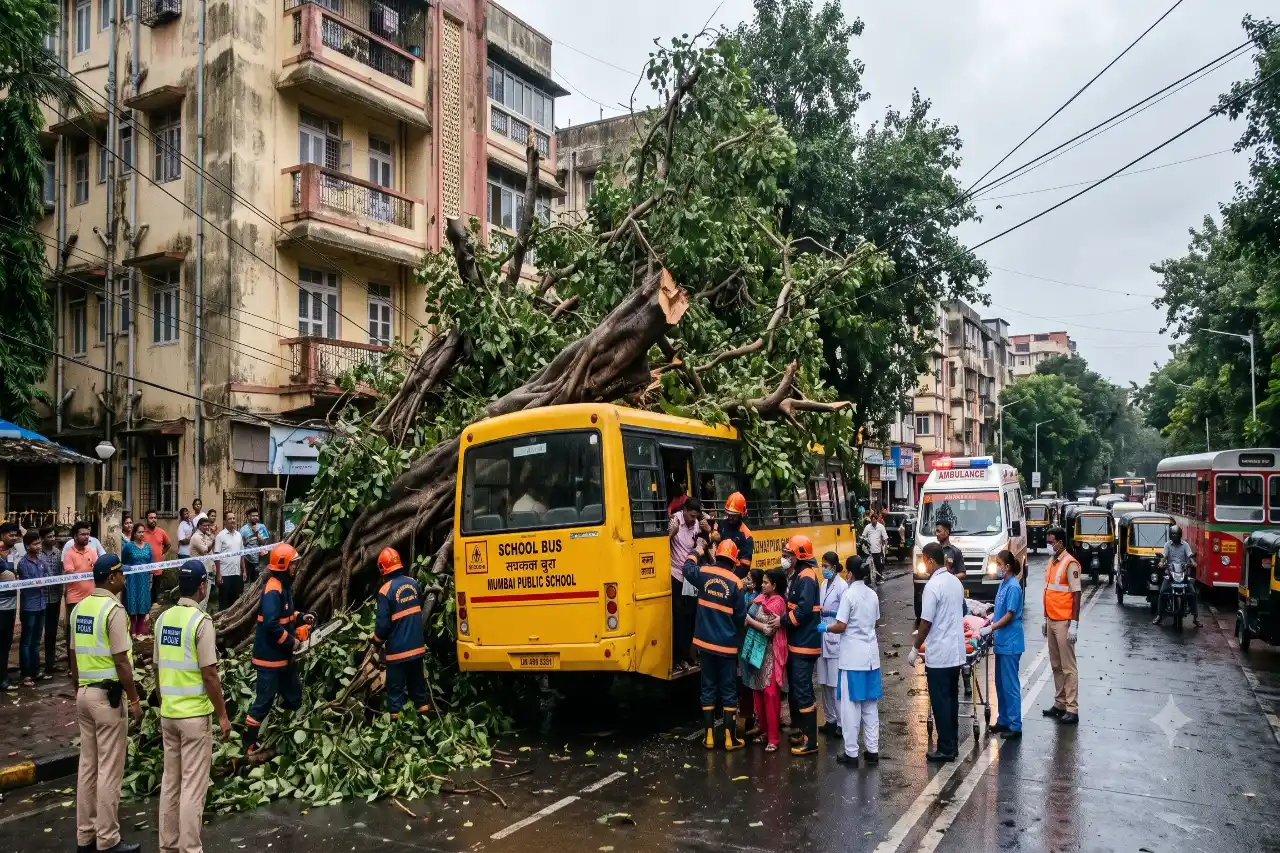
In one of the most tragic incidents, an 11-year-old school student died after a large tree fell onto a school bus in Mumbai’s Chembur area. Several other students were also injured in the accident and were immediately rushed to nearby hospitals for treatment. This incident has shaken parents across the city and raised fresh questions regarding the condition of old trees and the precautionary inspections conducted prior to the monsoon season.
In another tragic case, a woman died after a portion of a building collapsed following continuous rainfall. Authorities have initiated an investigation to determine whether the building had been properly maintained and if it had previously been declared unsafe. Such incidents have become common during every monsoon, especially in densely populated urban areas where aging buildings continue to pose a significant threat.
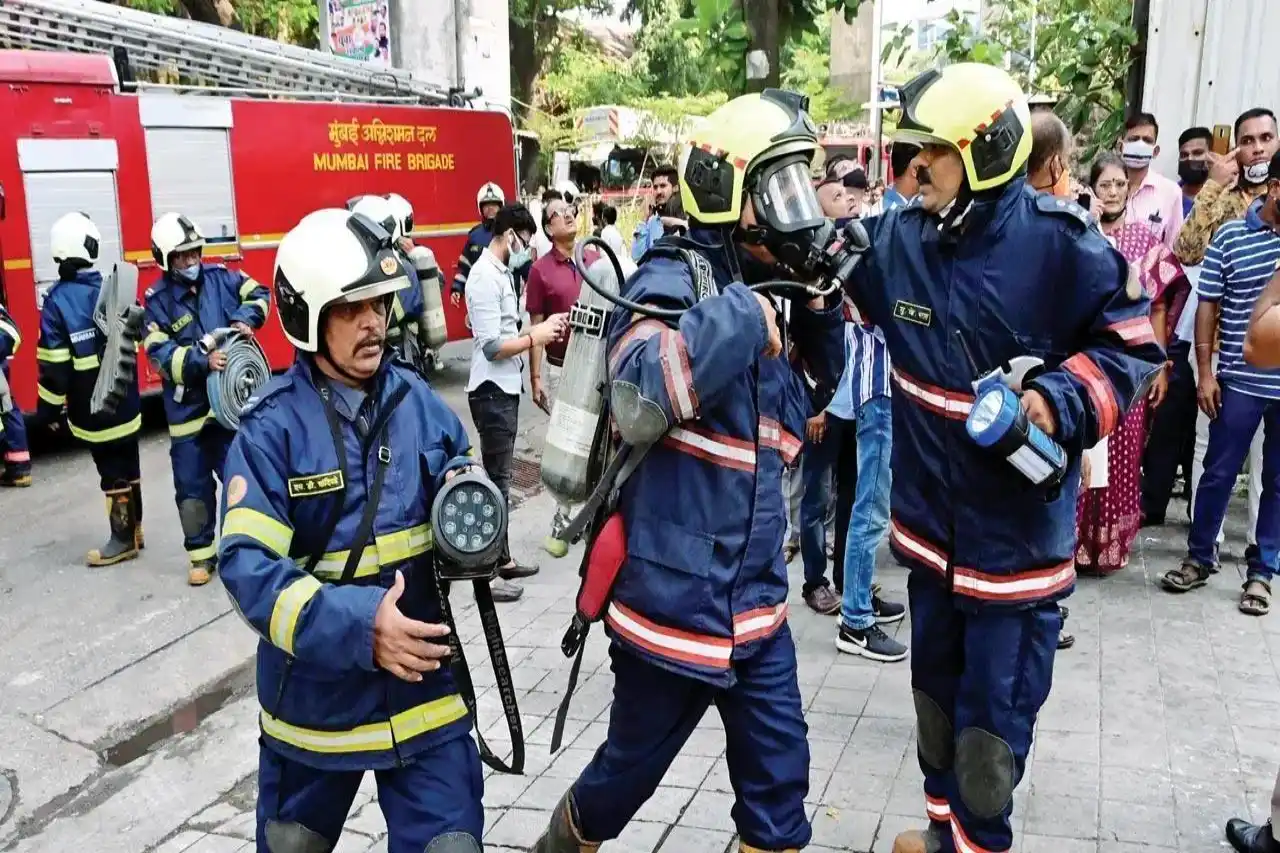
According to reports, additional fatalities occurred due to various rain-related incidents, such as wall collapses and falling debris. Emergency teams comprising firefighters, police, and disaster management officials worked continuously to rescue trapped individuals and restore normalcy in the affected areas. Heavy rainfall hampered rescue operations, slowing down access to several accident sites.
These incidents have intensified criticism of civic authorities, particularly regarding pre-monsoon preparations. Every year, the local administration inspects old buildings, drainage systems, trees, and roads before the onset of the rainy season. However, the recurrence of such accidents raises questions about whether these inspections are thorough enough to avert preventable tragedies.
The Mumbai municipal corporation has stated that emergency teams will remain on high alert during the monsoon. Officials have urged the public to avoid approaching dilapidated buildings, large trees, waterlogged roads, and construction sites during heavy rainfall. Citizens have also been asked to immediately report any dangerous buildings or structures to local authorities.
Urban planners believe that extreme weather events linked to climate change are placing additional strain on the city’s aging infrastructure. Intense rainfall, decades-old buildings, and overburdened drainage systems have increased the risk of accidents in metropolitan areas during the monsoon.
Experts argue that improving monsoon preparedness requires long-term investment in infrastructure upgrades rather than temporary seasonal measures. Strengthening drainage networks, conducting structural safety audits, removing dangerous trees, and modernizing emergency response systems could significantly reduce future risks. Public awareness campaigns encouraging people to avoid hazardous locations during severe weather also remain equally important.
The India Meteorological Department (IMD) has continued issuing rainfall warnings for several districts across Maharashtra as active monsoon conditions persist. Authorities remain on alert for possible flooding, landslides, and additional infrastructure-related incidents if heavy rains continue over the coming days. Residents have been advised to follow official weather advisories and avoid unnecessary travel during periods of intense rainfall.
The series of tragedies serves as a painful reminder that while the monsoon is essential for agriculture and water resources, it also exposes long-standing weaknesses in urban infrastructure. For many citizens, the loss of innocent lives—including that of a school child—has strengthened calls for greater accountability, better maintenance, and stronger disaster preparedness so that such incidents become less frequent in the future.