When Will Petrol and Diesel Prices Come Down Union Minister Hardeep Singh Puri Explains the Government’s Position (image source: "Chat GPT AI Generated Visuals")
Our Daily Dose of Truth and Trends
When Will Petrol and Diesel Prices Come Down Union Minister Hardeep Singh Puri Explains the Government’s Position (image source: "Chat GPT AI Generated Visuals")
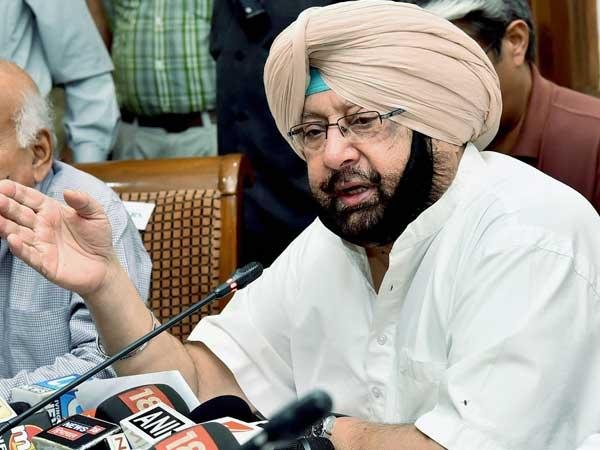
The question of when petrol and diesel prices will decrease remains a matter of concern for millions of Indian consumers. Rising transportation costs, household expenses, and inflation have made fuel prices one of the most closely watched economic issues in the country. Addressing these concerns, Union Minister for Petroleum and Natural Gas Hardeep Singh Puri recently outlined the government’s stance and explained the factors influencing fuel prices in India. According to the Minister, fuel prices depend on various international and domestic factors, making it difficult to predict an immediate reduction in prices. (Aaj Tak)
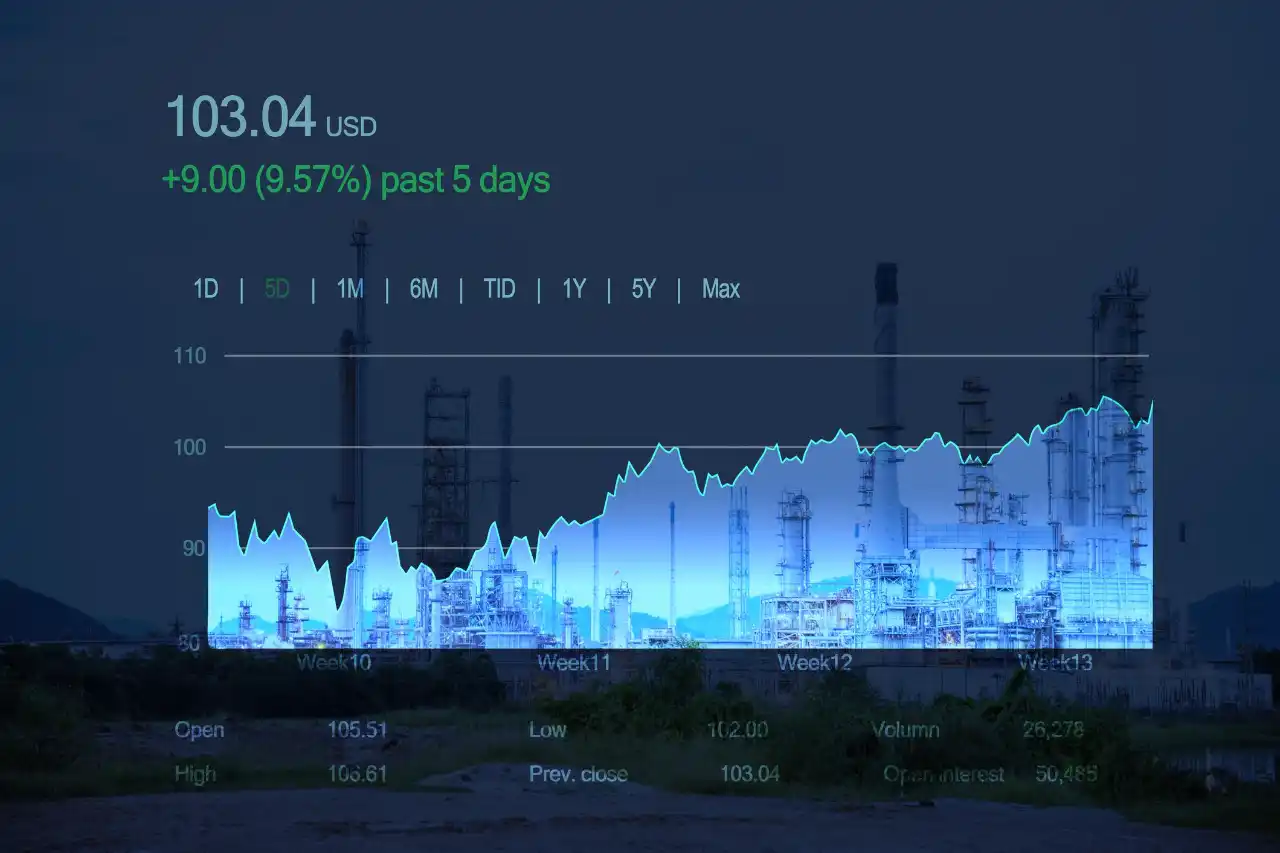
Speaking to reporters, Hardeep Singh Puri stated that the government continuously monitors global crude oil prices and assesses their impact on the Indian economy. He noted that India imports approximately 85 percent of its crude oil requirements, meaning that fluctuations in the international market directly affect domestic fuel prices. Any significant rise in global crude oil prices places additional economic pressure on fuel-importing nations like India.
The Minister mentioned that recent geopolitical tensions in West Asia had briefly created uncertainty in the global energy market. However, he noted that the situation has gradually stabilized, alleviating fears of major supply disruptions. According to him, the government’s priority is to ensure the uninterrupted availability of fuel while simultaneously shielding consumers, as much as possible, from the impact of sudden international price fluctuations.
Hardeep Singh Puri emphasized that crude oil prices constitute only a portion of retail fuel prices. The final price paid by customers at petrol pumps includes taxes levied by both central and state governments, transportation costs, refining expenses, dealer commissions, and currency exchange rates. Therefore, even if international crude oil prices drop, retail fuel prices cannot immediately decrease in the same proportion.
The Minister noted that India has successfully diversified its sources of crude oil imports over the past few years. Instead of relying heavily on a select few nations, India now sources crude oil from multiple global suppliers; this offers greater flexibility and helps mitigate risks associated with geopolitical conflicts. This strategy has strengthened India’s overall energy security.
He further stated that India continues to purchase crude oil on a commercial basis while adhering to international regulations. According to the government, maintaining a stable supply chain is more important than reacting to short-term price fluctuations.
The Petroleum Minister also referred to past instances where the central government had reduced excise duty on petrol and diesel to provide relief to consumers. He stated that such decisions are taken after carefully assessing the financial situation, global market trends, and macroeconomic impact.
Industry experts believe that future fuel prices will primarily depend on the international crude oil market, currency fluctuations, and geopolitical conditions. If crude oil prices remain stable or decline over an extended period, consumers could eventually find some relief. However, sudden global events could rapidly alter price trends.
To reduce India’s long-term dependence on imported crude oil, the government is also promoting alternative energy solutions such as ethanol blending, Compressed Natural Gas (CNG), electric vehicles, and green hydrogen. These initiatives are expected to strengthen energy security and help stabilize fuel prices in the future.
For now, Hardeep Singh Puri’s message is clear: the government is closely monitoring global developments and will make decisions in the interest of consumers whenever market conditions permit. Although no specific timeline has been announced for further cuts in petrol and diesel prices, officials state that ensuring adequate fuel supplies and safeguarding India’s energy security remain their top priorities.