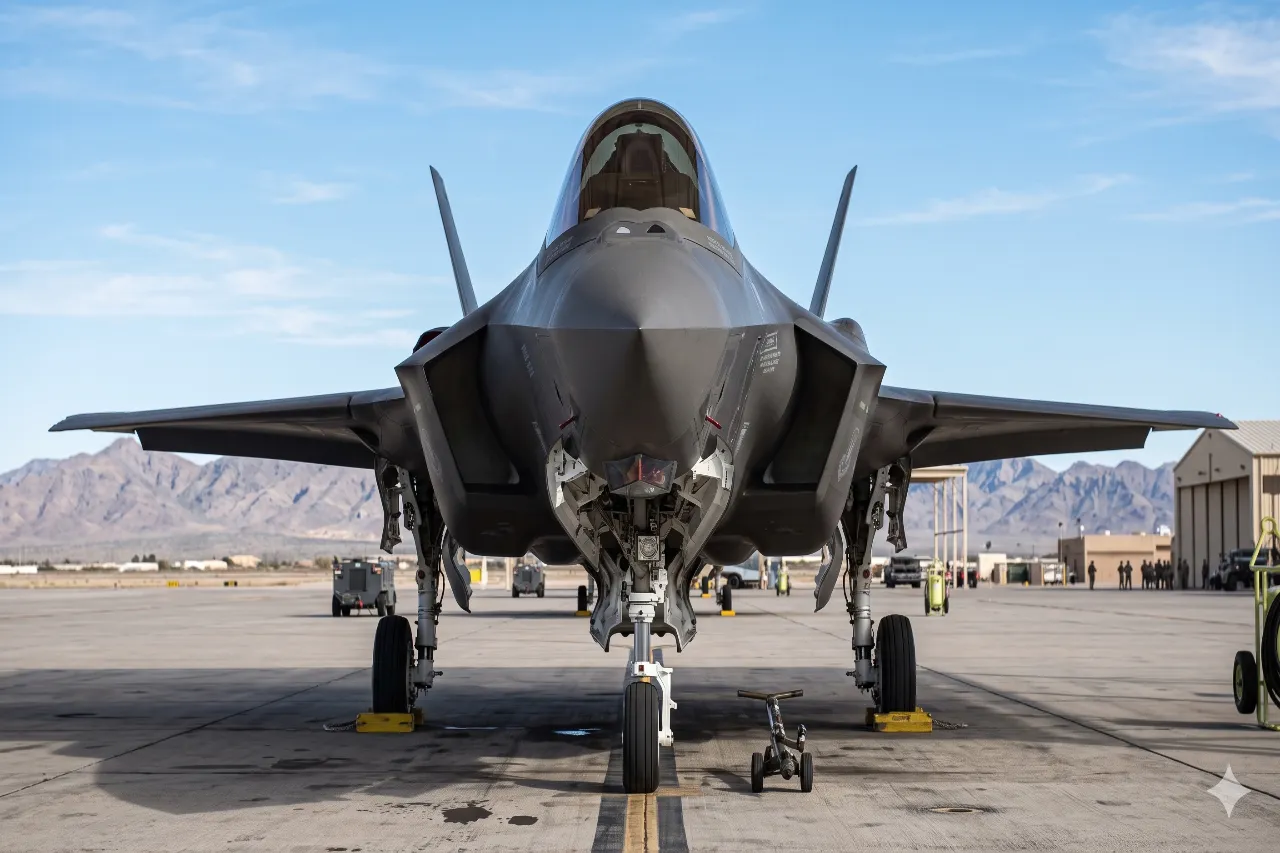
F35 fighter jet. (image source: "Google Gemini AI Generated Visuals")
Our Daily Dose of Truth and Trends
F35 fighter jet. (image source: "Google Gemini AI Generated Visuals")
Recent reports indicate that the US has accepted a limited number of F-35 fighter jets that lack next-generation radar. This development has sparked discussion within the global defense sector, raising questions about potential implications for India’s future air power planning. Although headlines are describing them as “eye-free” fighter jets, the actual situation is far more technical than it might initially appear.
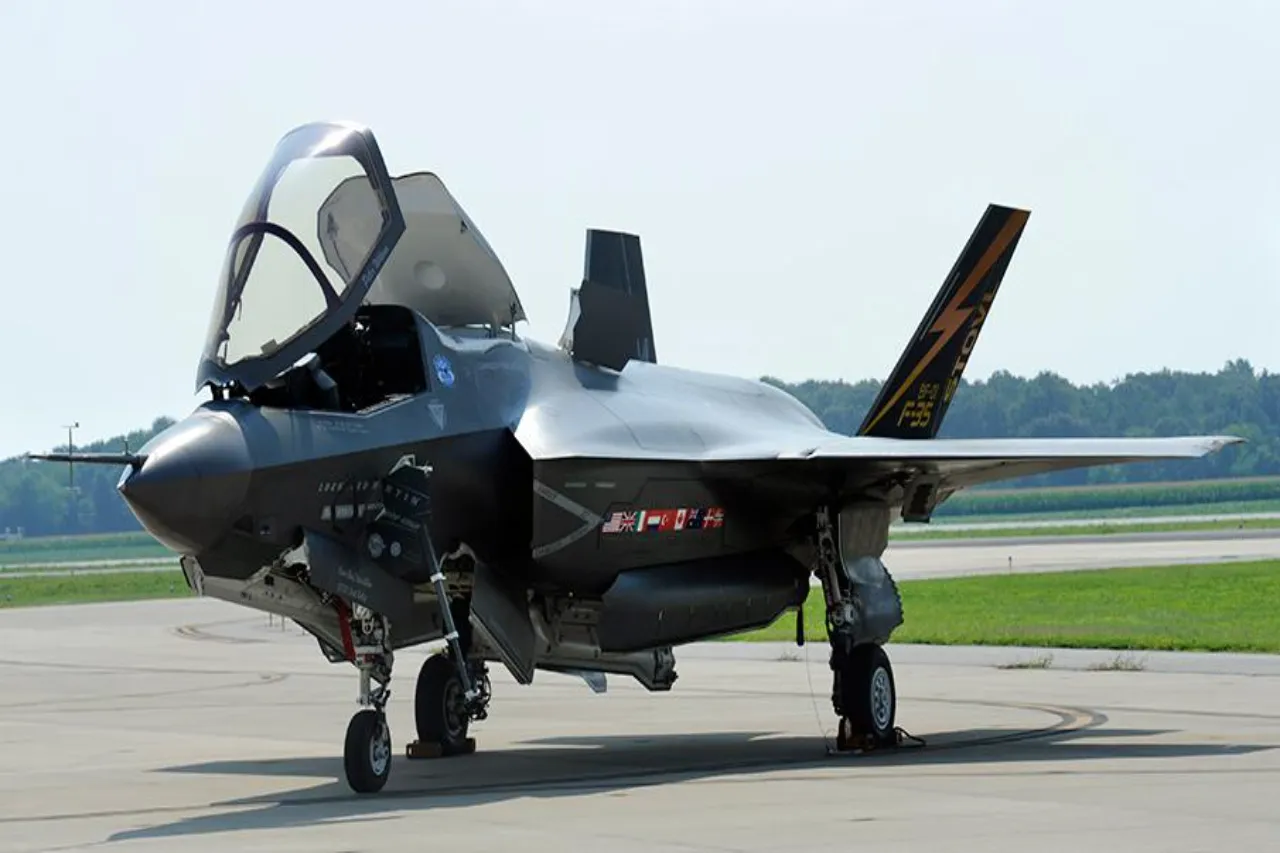
The issue concerns the F-35B, the short take-off and vertical landing (STOVL) variant used by the US Marine Corps. According to officials overseeing the program, six aircraft have been provisionally accepted without the intended new radar system due to delays in the delivery of the upgraded AN/APG-85 AESA radar.
Significantly, these aircraft are not intended to remain permanently without radar. According to reports, they were built with future upgrades in mind, and the radar units are expected to be installed once available. In the interim, an interim configuration has been adopted to avoid disrupting aircraft production and pilot training schedules.
The radar at the center of this discussion—the AN/APG-85—is designed to replace the older APG-81 system. This move is part of broader efforts to modernize the F-35 and enhance its future capabilities. The upgrade is expected to improve target tracking, processing power, and overall battlefield awareness.
For the US, this decision appears to be a compromise related to production and program management rather than a reduction in capability targets. Officials have described the F-35 as the cornerstone of future tactical airpower and remain focused on improving the readiness of the entire fleet.
What impact could this have on India?
For now, these deliveries have not had a definitive impact on India’s fighter jet program. India’s current combat aviation priorities focus on modernizing the fleet, indigenous development, and assessing long-term requirements for next-generation aircraft. While there have been reports in recent months regarding potential avenues for discussions on the F-35, no formal announcement regarding a purchase has been made.
For Indian defense planners, this development offers lessons on managing advanced military programs. Even highly advanced aircraft can face delays related to software, sensors, logistics, and supply chains—particularly when upgrades are implemented while production is ongoing.
The key takeaway is that modern fighter jet programs rely increasingly not just on engines and airframes, but also on electronics, radar integration, software, and sustainment networks. Delays in any of these areas can impact delivery schedules.
For India, the issue is not about losing access to technology, but rather observing how advanced defense ecosystems manage complex upgrades while maintaining operational readiness. The experience of the F-35 program can serve as a valuable case study for future aerospace development worldwide.