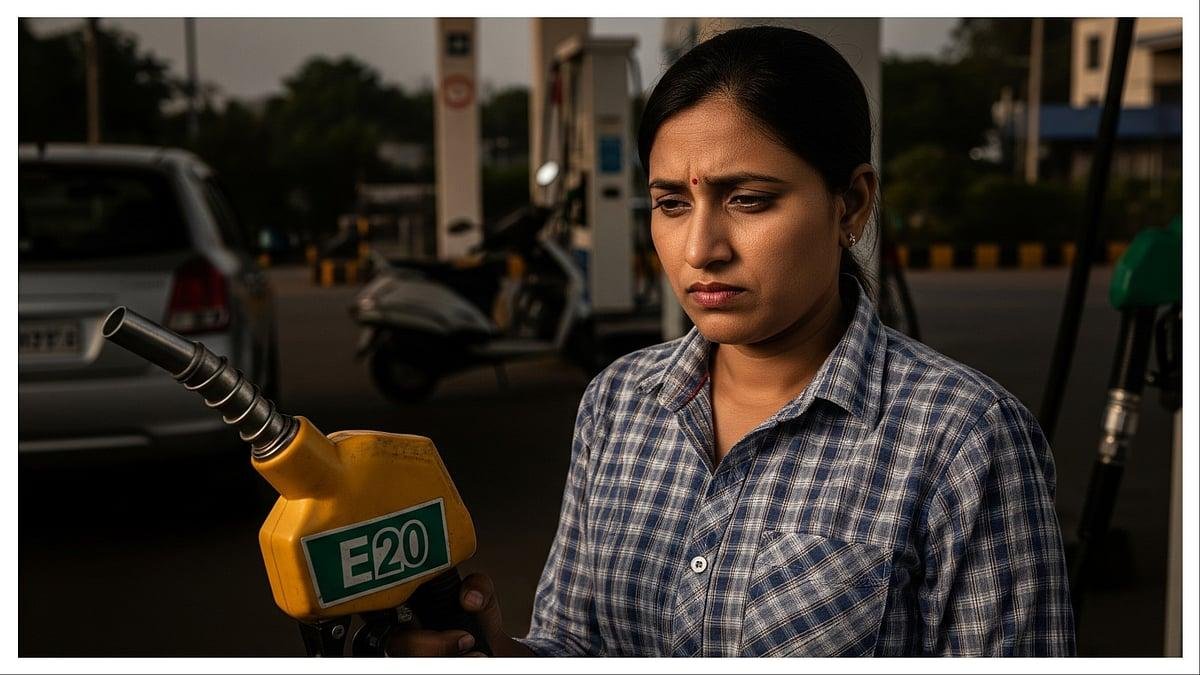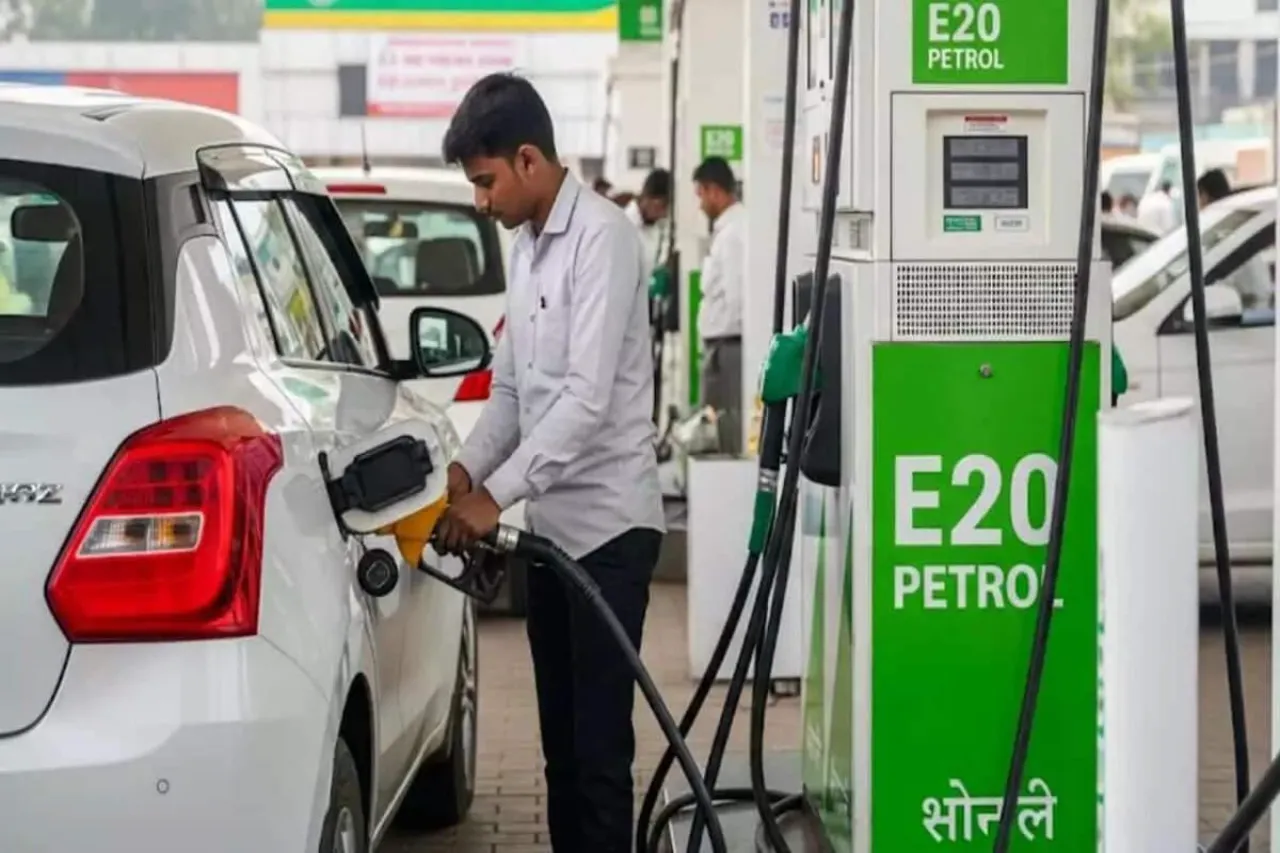
Government mandates sale of E20 petrol with min RON 95 from April 1, ETAuto (image source: "Chat GPT AI Generated Visuals")
Our Daily Dose of Truth and Trends
Government mandates sale of E20 petrol with min RON 95 from April 1, ETAuto (image source: "Chat GPT AI Generated Visuals")
In recent years, India’s shift towards E20 petrol has become one of the most discussed changes in automotive policy. Many vehicle owners—particularly those driving older cars and bikes—are asking a straightforward question: if E20 is the future, why shouldn’t E5 or E10 remain available for older vehicles? The answer lies in India’s energy strategy, fuel logistics, and the government’s long-term roadmap for ethanol blending.
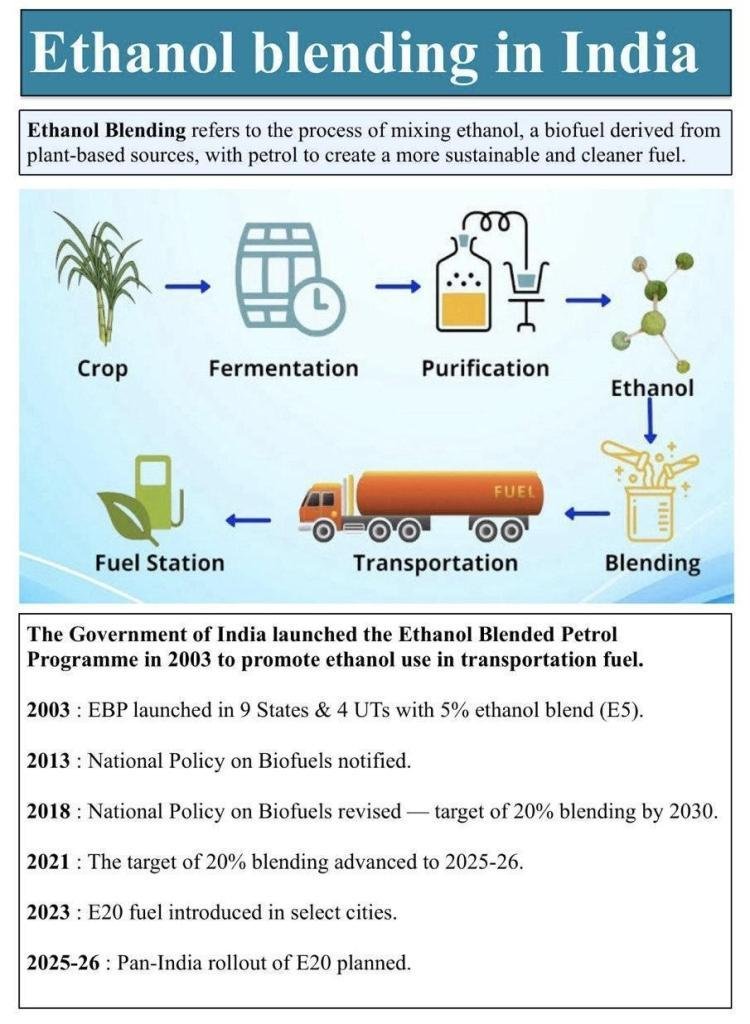
E20 refers to petrol blended with up to 20% ethanol and 80% petrol. Ethanol is primarily produced from agricultural sources such as sugarcane and grains. India’s fuel policy promotes ethanol to reduce dependence on imported crude oil, curb pollution, and boost demand for domestically grown crops.
The government accelerated this transition, and from April 2026, E20 petrol with a minimum RON 95 specification became the standard fuel nationwide. Policymakers argue that this helps establish a uniform fuel system across thousands of fuel stations, rather than stocking multiple types of petrol.
However, this is where the debate begins. Owners of older vehicles argue that many cars and two-wheelers sold before the recent standards came into effect were actually designed for E5 or E10 fuel, not E20. This has raised concerns regarding mileage, wear and tear on the fuel system, and long-term performance.
Industry discussions and consumer surveys indicate that due to the distinct chemical properties of ethanol, fuel efficiency (mileage) may decrease, and certain components of the fuel systems in older vehicles—specifically those not originally designed for high-ethanol blends—could be affected. While some reports estimate a marginal change in mileage, officials maintain that the overall impact is limited and manageable.
So, why not offer E5 or E10 alongside E20? The primary reasons appear to be infrastructure complexity and distribution costs. Maintaining multiple fuel grades nationwide would require separate storage, transportation, dispensing systems, and inventory management at thousands of fuel stations. India’s approach favors a large-scale transition to a single fuel type rather than operating multiple fuel systems simultaneously.
There is also an economic dimension to this. Higher ethanol blending is expected to reduce crude oil imports and strengthen domestic fuel supplies. Proponents of this policy argue that even a marginal reduction in import dependence could have a significant economic impact in the long run.
At the same time, concerns among motorists persist. Issues being raised in informal discussions and consumer feedback include compatibility with older engines and the need for special, low-ethanol fuel options for older vehicles. These are not technical findings but rather reflect public opinion, indicating that the conversation around this topic is ongoing.
Interestingly, while the scope of E20 is being expanded, reports indicate that the government is exercising greater caution regarding a move towards E25. Concerns regarding the pace of preparations and the modifications required for older vehicles appear to be influencing future decisions.
For vehicle owners, the practical takeaway is straightforward: consult your owner’s manual to verify if your vehicle is E20-compatible, follow the manufacturer’s guidelines, and ensure regular servicing. The central debate is no longer about whether ethanol blending will continue; instead, the focus has shifted to the pace of this transition and the measures that need to be put in place for older vehicles during the process.