Video Calls, Fake Court Hearings, and a ₹2.20 Crore Scam: How a Retired Bank Manager From Ghaziabad Fell Into a Cyber Trap
A shocking case of cyber fraud from Ghaziabad has once again highlighted the increasing sophistication of online scams in India. A retired bank manager reportedly lost approximately ₹2.20 crore after falling victim to a scheme involving video calls, impersonation, fabricated legal proceedings, and psychological pressure. This incident has raised concerns because the victim was financially literate, yet still fell prey to digital fraud.
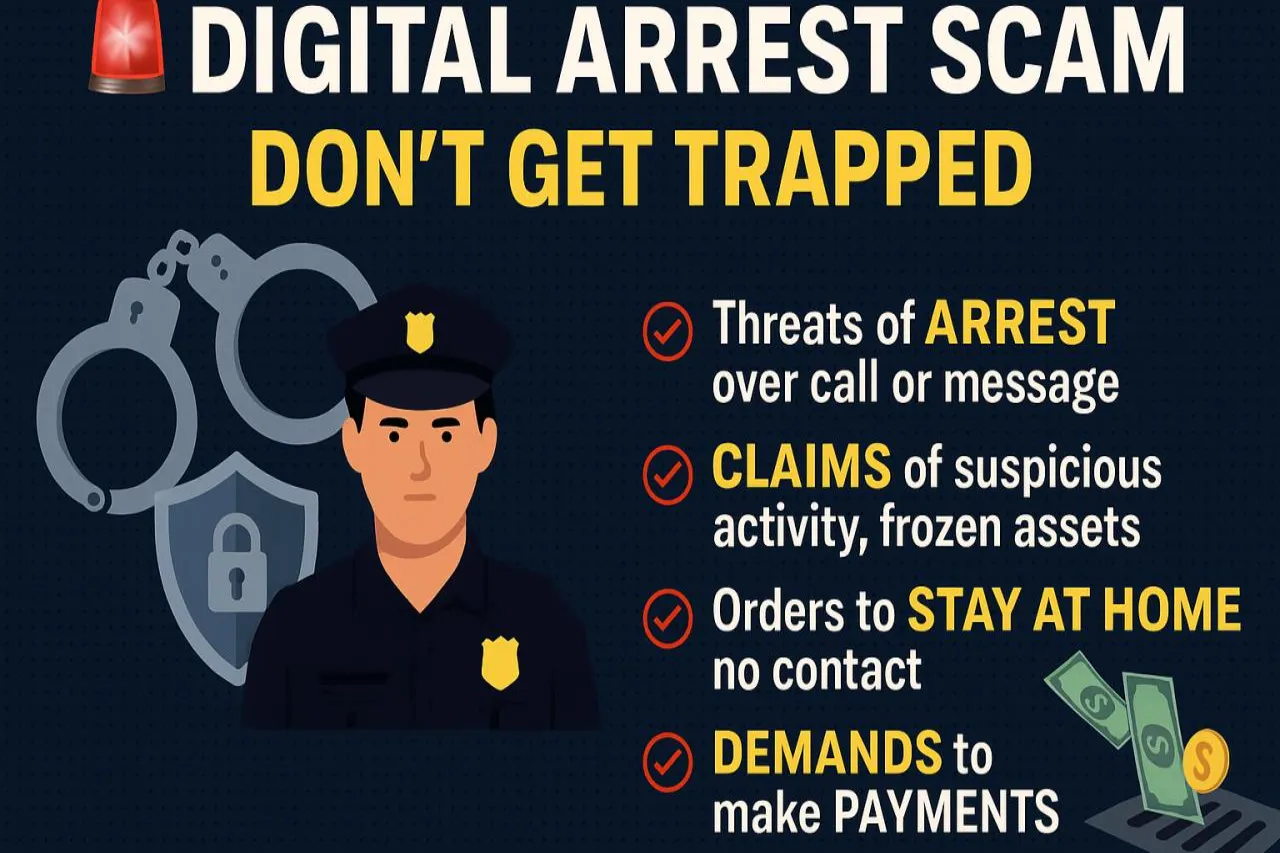
According to reports, the fraud began with a call claiming that the victim’s mobile number and identity were linked to illegal financial activity. The callers posed as officials and warned of severe legal consequences if the matter was not resolved immediately. Such tactics are frequently employed in social-engineering scams designed to induce panic and a sense of urgency.
According to reports, scammers escalated the situation by making video calls; during these calls, individuals appeared posing as police personnel and legal officials. The victim was allegedly shown documents and virtual proceedings that resembled genuine government paperwork and court hearings, creating the impression that a legitimate investigation was underway.
According to reports, the victim was instructed to keep the matter confidential and not discuss it with family members or outsiders. Fraudsters often emotionally and mentally isolate victims to discourage them from verifying the situation or seeking help. This tactic has now become commonly associated with so-called “digital arrest” scams.
Over time, money was transferred on multiple occasions because the victim believed the funds were being sent for verification or temporary security purposes. Later, the victim discovered that the money had been diverted elsewhere and the entire process was a sham. By then, the total financial loss had reached approximately ₹2.20 crore.
Cyber experts note that scams today are no longer limited to just suspicious SMS messages or fake links. Perpetrators now use video calls, impersonation, forged documents, scripted conversations, and emotional pressure to create scenarios that appear genuine and urgent.
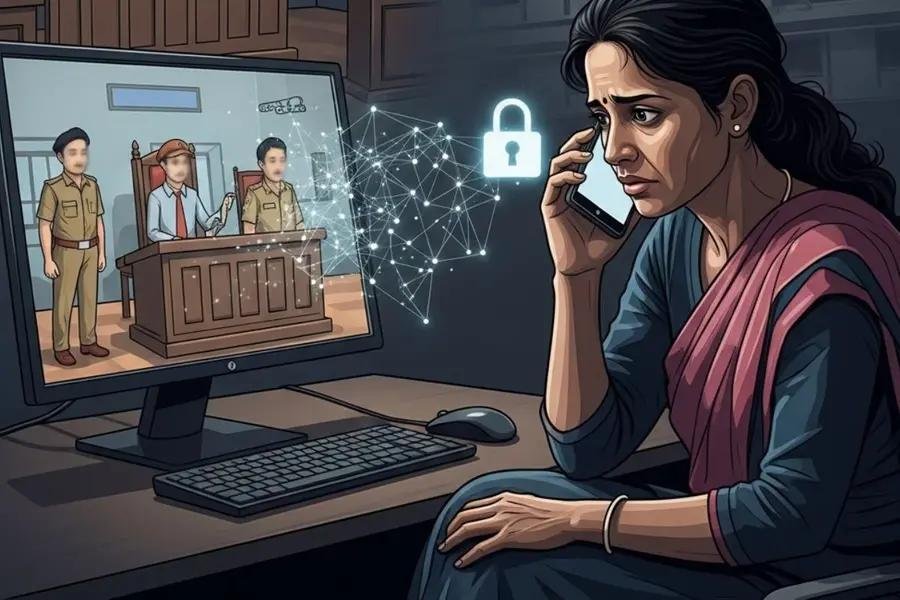
This case has also brought a crucial truth to light: merely possessing financial information does not guarantee security. Fraudsters often understand human behavior and deliberately exploit trust, fear, and a sense of authority. Anyone can become vulnerable when subjected to intense pressure.
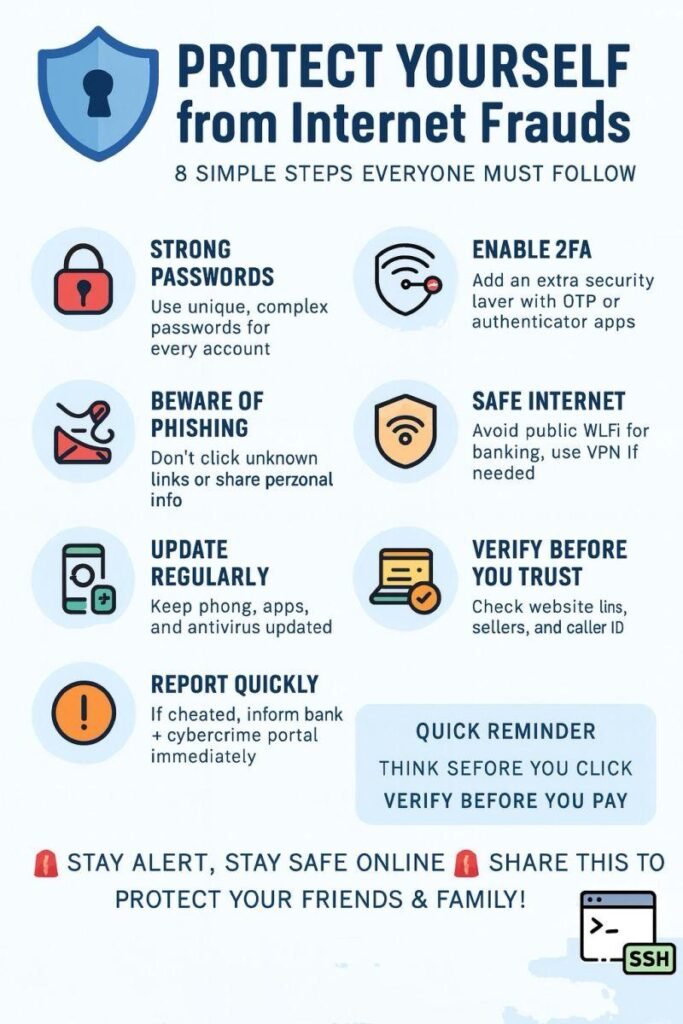
Experts advise immediately disconnecting suspicious calls, independently verifying identities, avoiding hasty decisions made in panic, and consulting family members before conducting any financial transactions. Promptly reporting suspected fraud can increase the chances of halting a transaction before funds are lost.
This incident in Ghaziabad serves as yet another reminder that cybercrimes are on the rise. As digital transactions increase, awareness, verification, and making decisions with a calm mind remain the most effective ways to protect oneself against increasingly complex scams.