Create a United States Flag above the flag create another image uploaded, Federal Communication (image source: "Chat GPT AI Generated Visuals")
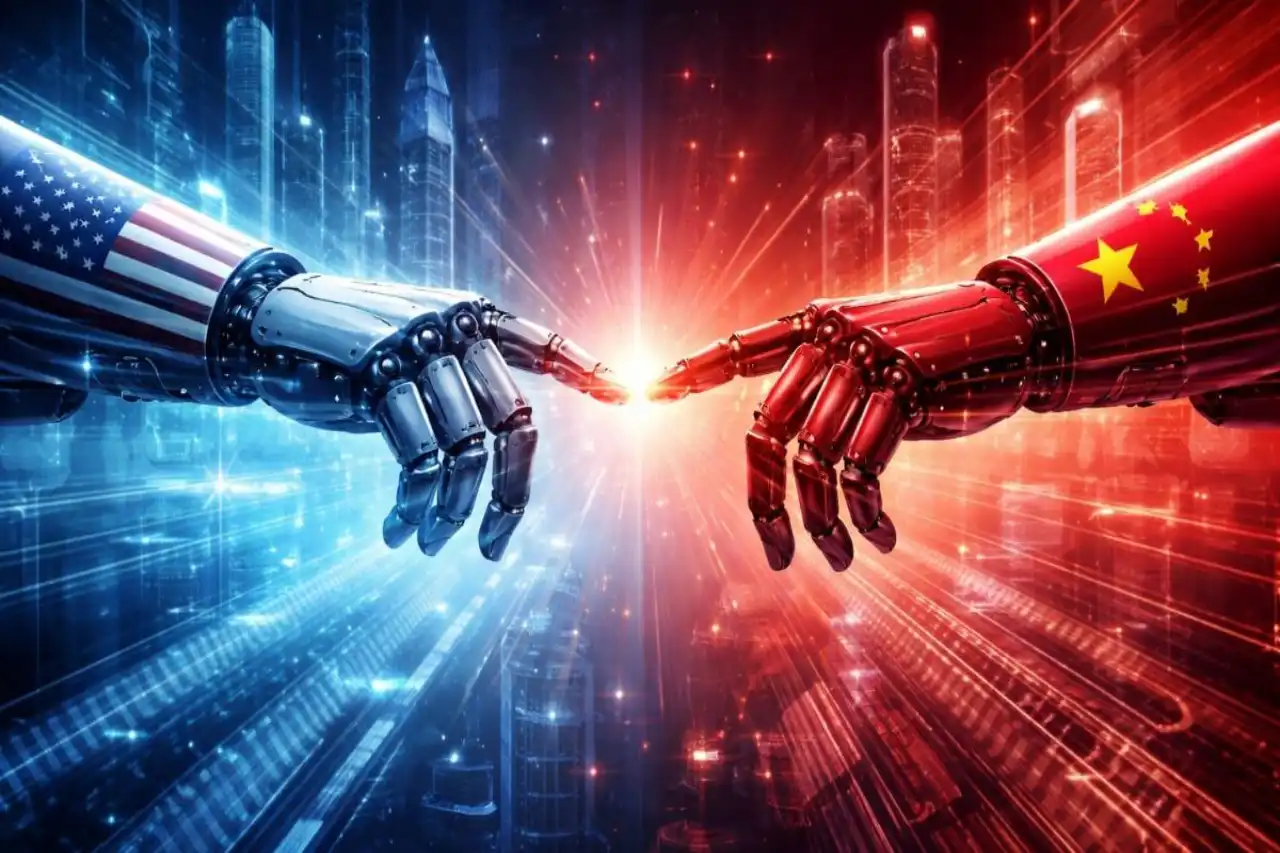
Our Daily Dose of Truth and Trends
Create a United States Flag above the flag create another image uploaded, Federal Communication (image source: "Chat GPT AI Generated Visuals")
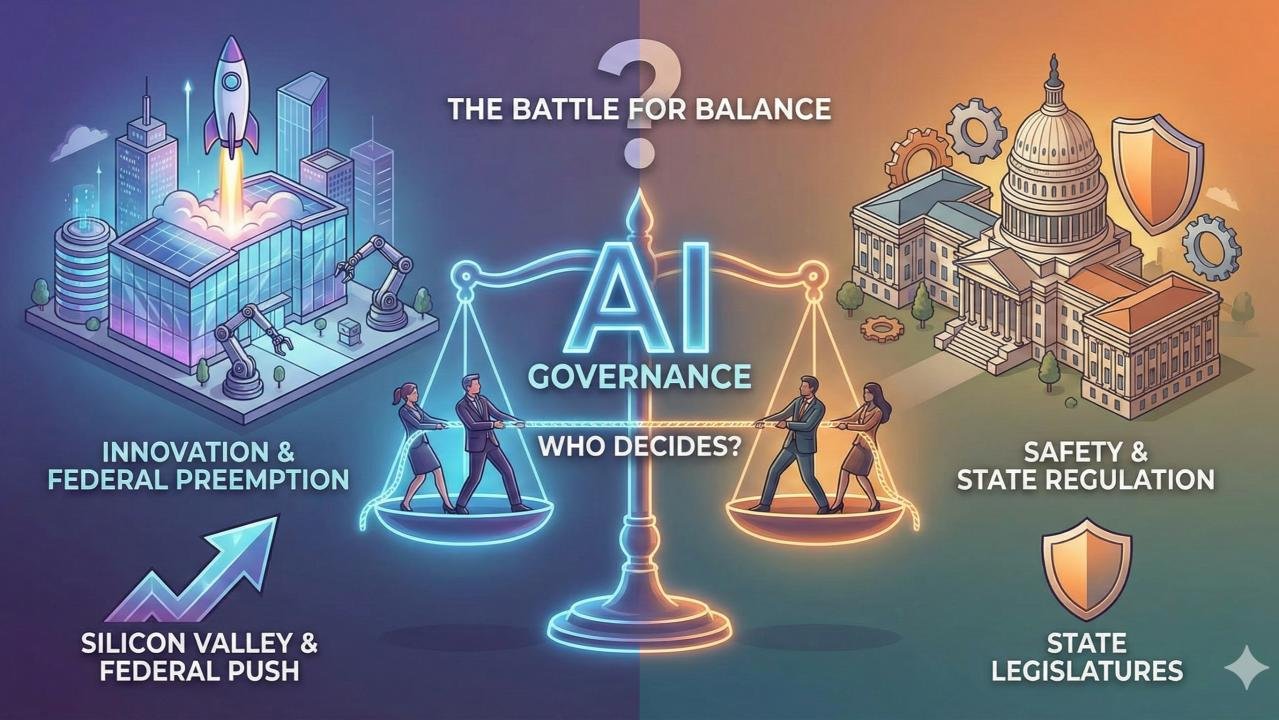
A debate within the realms of technology and policy has sparked an intriguing question: Can the US avoid a “Jack Ma moment”? This phrase refers to concerns that escalating regulations, political pressure, or policy interventions could stifle entrepreneurship and slow the pace of innovation amidst the global AI race. The discussion intensified as the fierce competition for AI leadership between the US and China unfolded.
The term “Jack Ma moment” is frequently used to describe concerns that business leaders might become overly cautious if government oversight becomes unpredictable or excessively restrictive. In broader discourse, it has come to symbolize the challenge of balancing the fostering of innovation with the maintenance of public accountability, rather than referring to any single specific event.
Artificial Intelligence (AI) is at the center of current conversations. The United States remains a hub for many of the world’s leading AI companies and is investing heavily in advanced models, computing infrastructure, and AI applications. At the same time, policymakers are debating the extent of control that should be exercised over the access, export, and commercial use of powerful AI systems.
Recent events have intensified this debate. Restrictions on access to certain cutting-edge AI systems and concerns regarding national security have raised new questions about whether strict controls safeguard leadership in the long run or inadvertently diminish competitive capacity.
Proponents of enhanced oversight argue that advanced AI cannot be treated like ordinary software. They believe that safeguards—or guardrails—are essential to address risks such as misuse, safety concerns, market monopolies, and social upheaval. Researchers have also warned that the rapid expansion of AI capabilities in the absence of regulation could create long-term challenges.
Conversely, some argue that innovation flourishes best when regulations are clear and established upfront. Executives from technology companies have repeatedly expressed concern that if AI development remains concentrated among a few firms or is subjected to a fragmented regulatory landscape, broad-based economic participation could be undermined.
This debate gains further significance because China’s AI strategy appears to emphasize large-scale operations, rapid implementation, cost-effectiveness, and widespread industrial adoption. Experts observe that China’s approach now focuses less on merely achieving technical benchmarks and more on practical application and expanding its global reach.
Another global concern being discussed is the reliance on a handful of AI providers. Many international leaders have publicly questioned whether nations should be overly dependent on technology infrastructure controlled by a single country or a few companies.
Economists and policy experts believe the answer lies not in choosing between regulation and innovation, but in creating systems that sustain both. Insufficient oversight can erode trust, while excessive restrictions stifle new experiments and investment.
For the US, the critical question is not merely whether it can maintain its lead in AI. The challenge lies in whether it can continue to attract entrepreneurs, foster competition, sustain public trust, and craft regulations that support innovation rather than hinder it. This balance could well determine the next phase of global technology leadership.