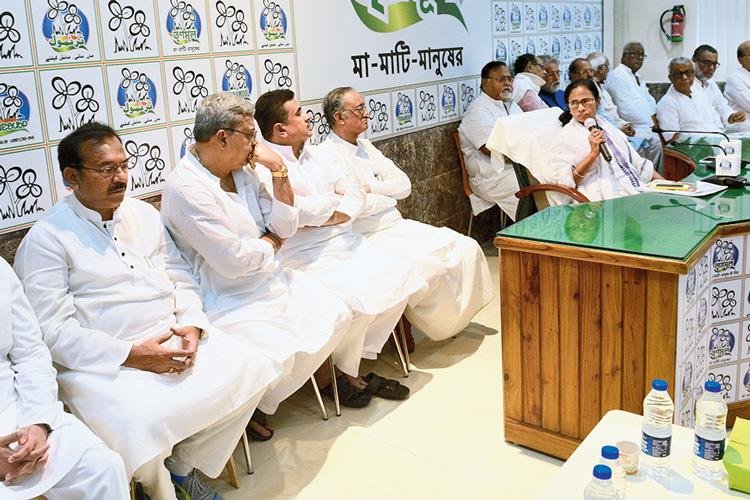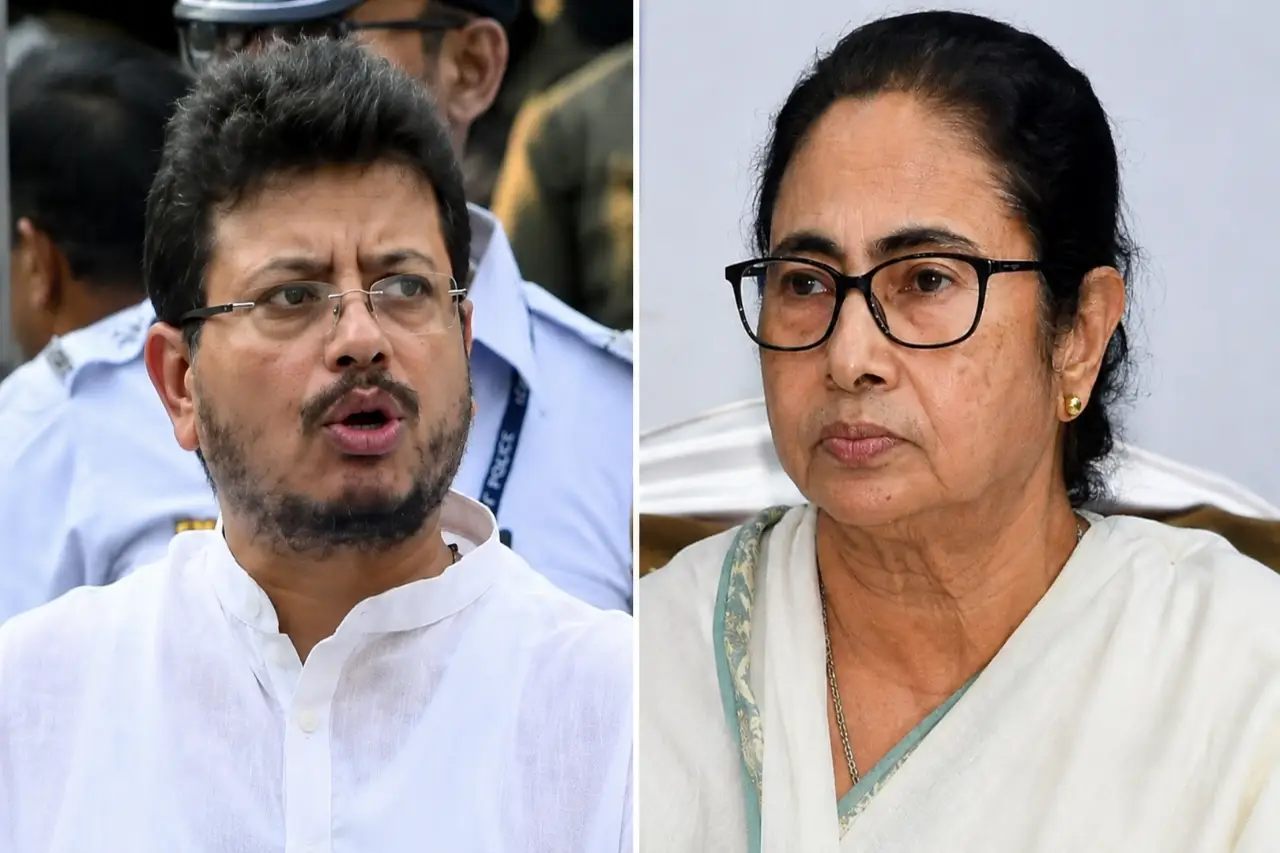
Ritabrata Banerjee Faction Approaches Election Commission (image source: "Chat GPT AI Generated Visuals")
Our Daily Dose of Truth and Trends
Ritabrata Banerjee Faction Approaches Election Commission (image source: "Chat GPT AI Generated Visuals")
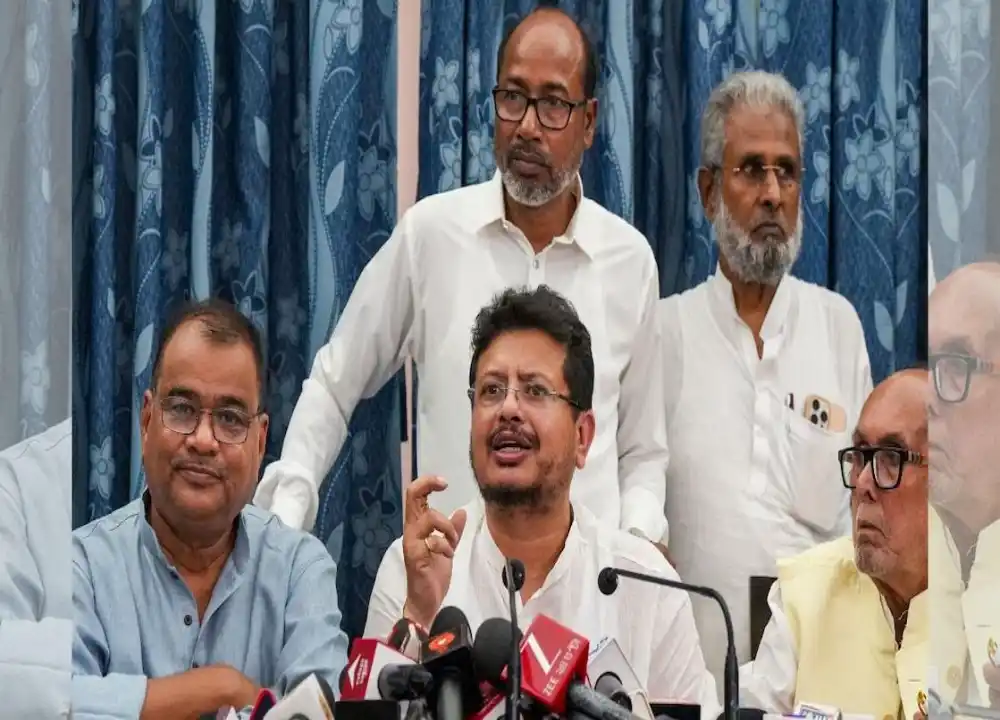
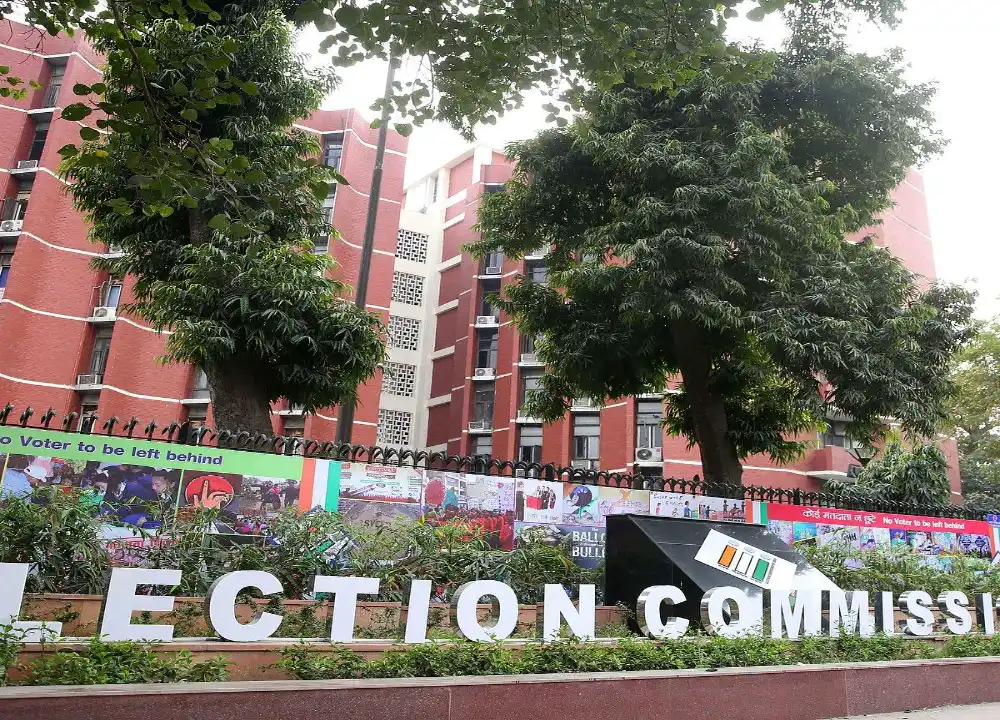
A significant political development has unfolded in West Bengal. A faction led by Ritabrata Banerjee has approached the Election Commission of India, claiming majority support within the party and seeking recognition as the “real TMC.” This move marks another crucial turn in the ongoing internal strife within the All India Trinamool Congress.
According to reports, the Ritabrata-led faction has informed the Election Commission that they possess the necessary support to establish their claim over the party’s organizational structure. This development follows weeks of political tension and internal discord within the organization.
The dissident faction has publicly argued that recognition should be based on legislative strength and organizational support. According to recent reports, the faction claimed the backing of dozens of legislators and asserted that it represented the majority within the party.
This dispute has also led to conflicting claims regarding leadership. Reports indicate that the dissident faction had previously announced measures for internal restructuring and attempted to present an alternative leadership arrangement, positioning itself as the legitimate successor to the party structure.
Meanwhile, Mamata Banerjee’s faction rejected the stance taken by the dissident group and formally informed the Election Commission that she remains the recognized head of the party. Reports indicate that a revised list of the leadership was also submitted on her behalf.
Political analysts have described this situation as one of the most serious internal challenges in the party’s history. The dispute is not limited to the leadership alone; it could also impact the party’s organizational structure, electoral strategy, and legislative alliances within the state.
A key question in this dispute concerns the process of granting party recognition under Indian electoral and legislative rules. In instances involving internal claims of majority support, an institutional review may be conducted based on documents, the party structure, and applicable legal provisions.
These political developments are being compared to past party disputes in Indian politics, where issues such as legislative majority, party identity, and organizational control played a pivotal role in institutional decisions.
The dissident faction has consistently maintained that it does not wish to merge with any other entity but rather seeks formal recognition of its status within the existing political framework.
Meanwhile, the party’s official leadership has initiated disciplinary action against several leaders accused of anti-party activities. According to reports, decisions to expel leaders and reshuffle the organization have been announced as part of efforts to retain organizational control.
The outcome of the Election Commission’s process could be politically significant, as decisions regarding recognition may impact the party’s identity, election symbol, organizational authority, and future political standing in West Bengal. However, any final decision will hinge on formal procedures and reviews by the relevant bodies.
For now, both factions are presenting their respective claims while awaiting the institutional processes to unfold. This dispute illustrates how internal political shifts can alter leadership structures and influence the broader political landscape in one of India’s most closely watched states.