Government Clarifies E20 Fuel Policy, Dismisses Concerns Over Impact on Vehicle Insurance (image source: "Chat GPT AI Generated Visuals")
Our Daily Dose of Truth and Trends
Government Clarifies E20 Fuel Policy, Dismisses Concerns Over Impact on Vehicle Insurance (image source: "Chat GPT AI Generated Visuals")
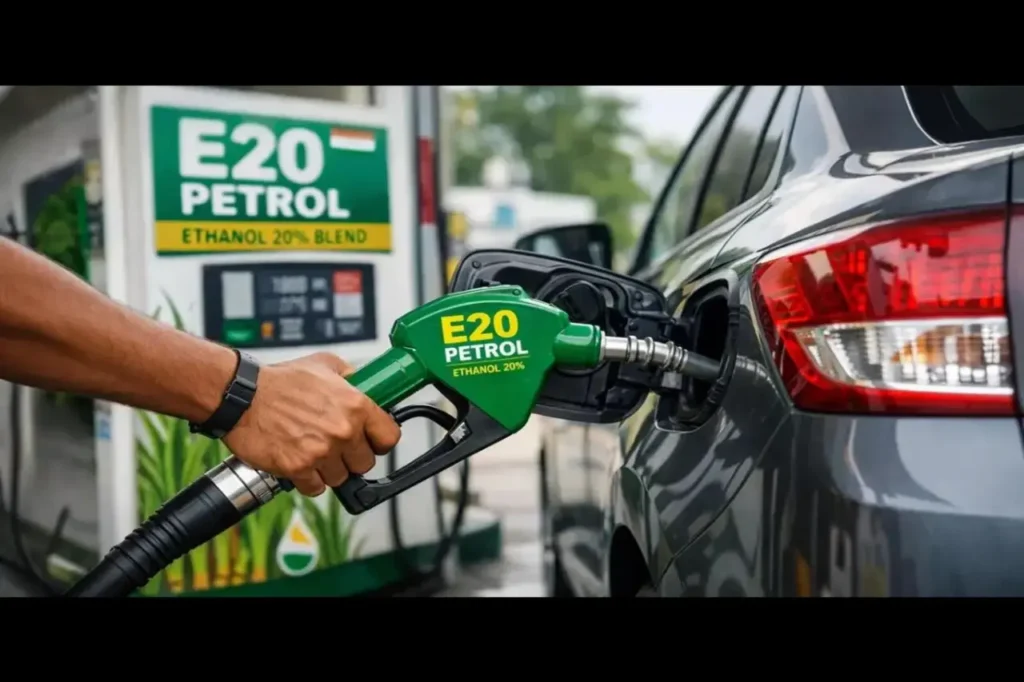
Following concerns circulating on social media about whether the use of ethanol-blended petrol could affect the validity of motor insurance, the Government of India has issued a new clarification regarding E20 fuel. Officials have stated that claims suggesting vehicle insurance would become invalid due to the use of E20 are incorrect and misleading.
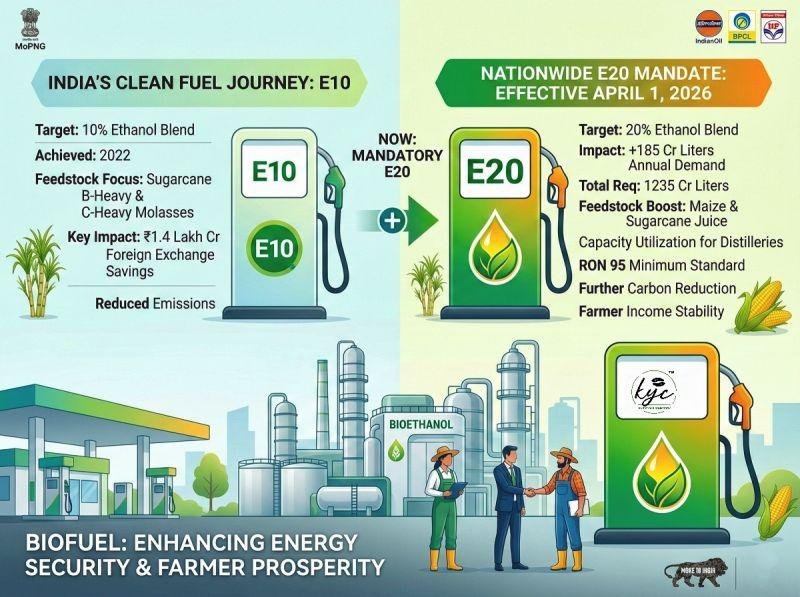
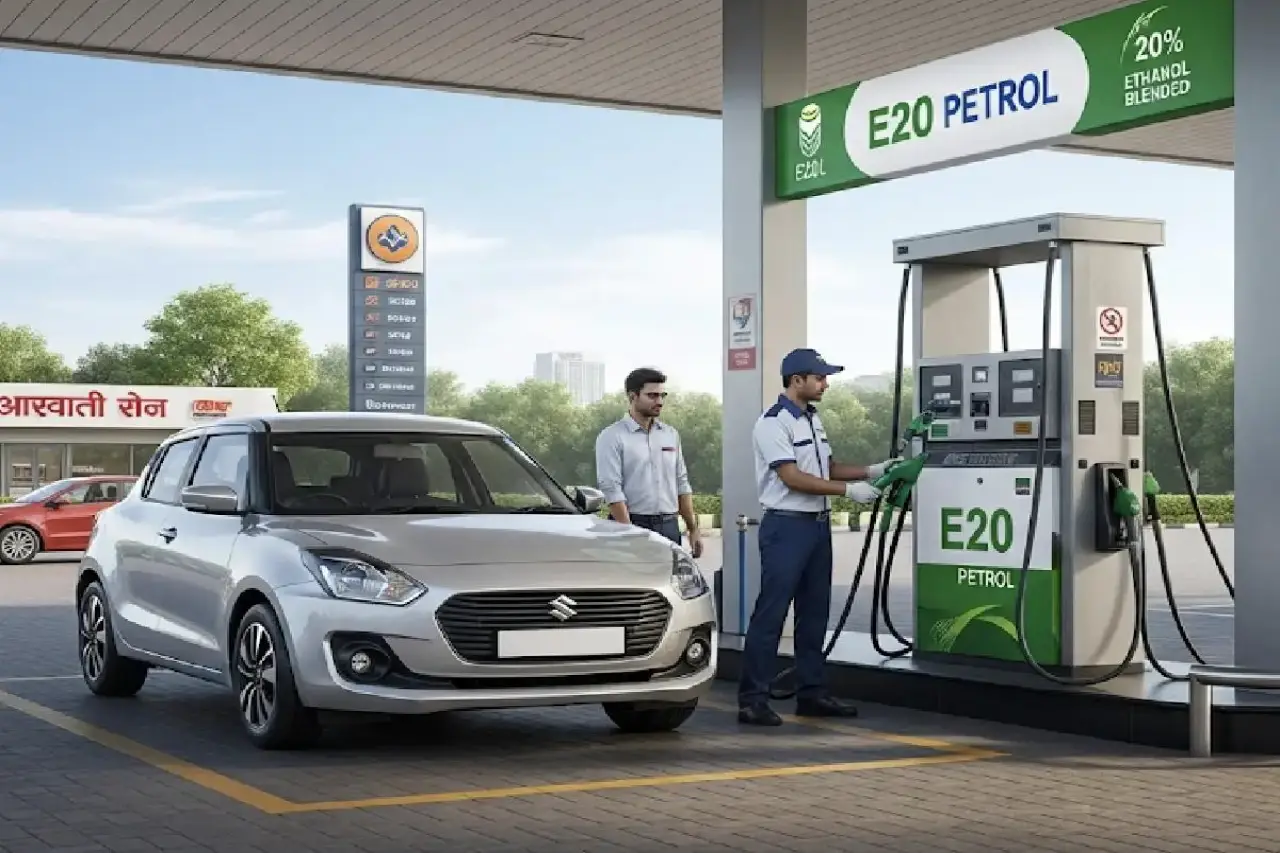
E20 fuel refers to petrol blended with 20% ethanol and 80% conventional petrol. India is gradually increasing ethanol blending as part of a broader strategy to reduce crude oil imports, strengthen energy security, and lower emissions.
Discussions regarding insurance for vehicles using E20 fuel intensified following growing confusion among the public. Online posts and varying interpretations of insurance-related information sparked concern among vehicle owners, particularly those driving older cars.
In response, government fact-check channels clarified that a motor insurance policy remains valid even if a vehicle uses E20 fuel. Officials stated that claims are not rejected solely on the grounds of the fuel being used.
Insurance companies also issued clarifications after questions were raised online. These clarifications revealed that claims are assessed based on policy terms and insured events, rather than being rejected solely because E20 fuel was used.
Additionally, experts advise vehicle owners to follow the manufacturer’s recommendations regarding fuel compatibility. Some older vehicles may not have been originally designed for high-ethanol blends, making it essential to consult the owner’s manual and official guidelines.
The government has reiterated that the current roadmap aligns with the implementation of E20, and no immediate changes beyond the existing blending targets have been announced. Any future decision regarding higher ethanol levels will be taken only after further assessment and consultation processes.
Officials also state that ethanol blending offers benefits to both the environment and the economy. Increased use of ethanol can reduce dependence on imported crude oil while simultaneously boosting the domestic agricultural and biofuel ecosystem.
Officials have also emphasized that the implementation of E20 is part of India’s broader energy transition plan. As the country gradually moves towards a cleaner transport system, ethanol is being viewed as a ‘bridge fuel.’
Public discourse surrounding E20 has also highlighted how rapidly automotive-related information spreads online. Customers held mixed views regarding issues such as engine compatibility, mileage, maintenance costs, and insurance, prompting officials to provide clearer information.
For vehicle owners, it is important to verify the manufacturer’s fuel-related recommendations and rely on official information rather than viral claims. Insurance validity depends on policy terms and the circumstances of the claim—not merely on whether or not E20 fuel was used.
As ethanol blending increases in India, discussions regarding fuel compatibility, consumer awareness, and vehicle readiness will remain crucial. It is expected that as adoption grows, government agencies and industry stakeholders will continue to address related concerns.