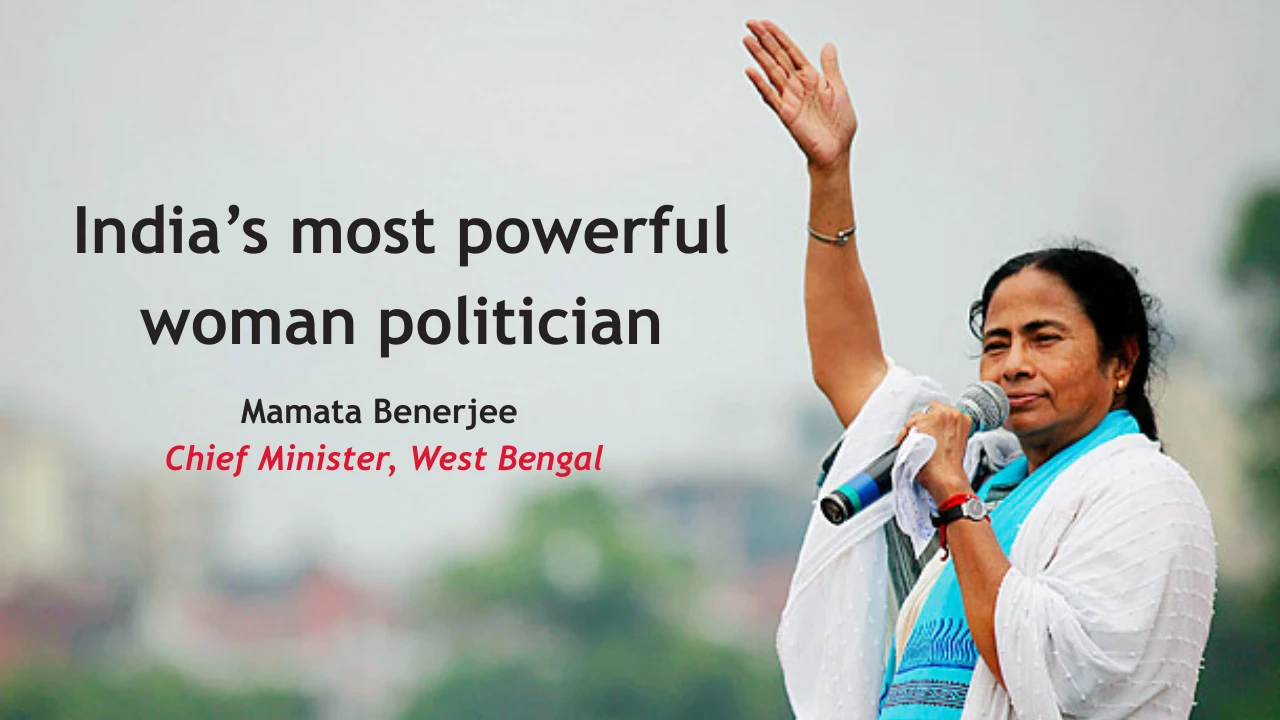
Indias Most Powerful woman Politician, Former Chief Minister, West Bengal
Our Daily Dose of Truth and Trends
Indias Most Powerful woman Politician, Former Chief Minister, West Bengal
For nearly 15 years, Mamata Banerjee and her party, the Trinamool Congress (TMC), appeared almost unbeatable in the politics of West Bengal. Time and again, they succeeded in retaining their hold on power, further reinforcing the belief that they would always find a way to remain in office.
But on Monday, that streak came to an unexpected halt.
This outspoken and grassroots-connected leader suffered a major setback when the Bharatiya Janata Party (BJP) emerged victorious; with this, her hopes of assuming power as Chief Minister for a fourth consecutive term were dashed—an achievement that would have placed her in the ranks of seasoned leaders like Jyoti Basu and Naveen Patnaik.
This defeat has proven to be a decisive turning point in one of modern India’s most extraordinary political journeys. Mamata Banerjee’s rise began on the streets—where she led protests and forged connections with the masses—ultimately building a robust political base that fundamentally transformed the state’s power structure. Today, however, that very foundation appears to be under pressure.
Known for her simple lifestyle—often seen in a plain cotton sari and ordinary slippers—Banerjee never fit the traditional mold of a powerful political figure. Yet, she achieved what many considered impossible.
In 2011, she brought an end to the 34-year-long rule of the Communist Party of India (Marxist) in West Bengal; in doing so, she broke the streak of one of the world’s longest-serving elected governments. At that time, the state—once considered a hub of intellectual and economic activity—had been grappling for years with stagnation and a declining rate of industrial growth.
His victory was viewed as a major political shift. The international media also took note of it—*The New York Times* described him as a force that dismantled a long-standing political order, and *TIME* magazine recognized him as one of the world’s most influential figures.
Now, with this fresh defeat on the electoral front, Mamata Banerjee is facing a challenging phase in her political career; this has raised the question of what lies ahead for her and for the party she built from the ground up.
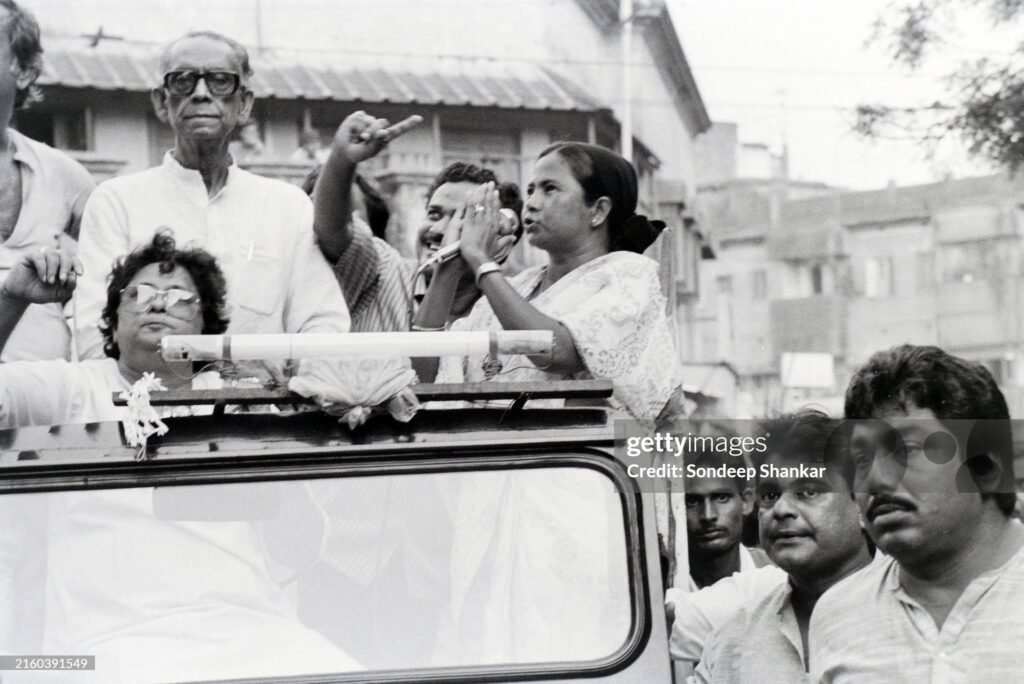
Mamata Banerjee rose to prominence in the highly competitive political landscape of West Bengal, where elections often resembled fierce battles fought on the streets. Over these years, her aggressive and fearless demeanor earned her the moniker of a “firebrand leader” among her supporters.
Coming from a lower middle-class family in Kolkata, she began her political journey through the student wing of the Congress party. By the 1980s, she had emerged as one of the most prominent voices opposing the dominance of the Left in the state. Eventually, she broke away from the Congress to found her own party—the Trinamool Congress (TMC)—and carved out a strong niche for herself in Bengal’s politics.
The often turbulent nature of West Bengal’s politics played a significant role in shaping Mamata Banerjee’s public image and political style.
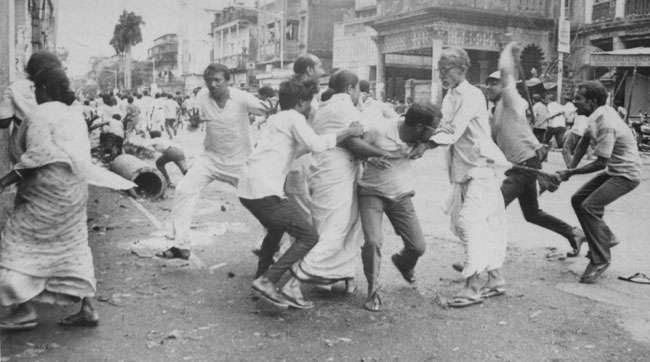
In 1990, during a protest march, she was reportedly attacked by members linked to the Communist camp and suffered serious injuries, including a fractured skull that required hospitalisation. The incident left a lasting mark and contributed to the persona she would carry for years — that of a relentless street fighter who wasn’t afraid to take on powerful opponents.
Her political journey gained major momentum in 2007 when she strongly opposed the proposed Tata Motors factory project in Singur, along with land acquisition efforts in Nandigram by the then Left government. Positioning herself as a voice for farmers and rural communities, she built a strong support base among the poor and agrarian population.
However, this stance also had its downsides. While it earned her loyalty from rural voters, it created distance between her and sections of the urban middle class and business community, many of whom felt that such protests discouraged investment and slowed down economic growth in the state.
“Mamata, much like Prime Minister Narendra Modi, has spent her entire life in politics,” says Mukulika Banerjee of the London School of Economics.
She points out that Banerjee’s early political opponents largely came from the traditional bhadralok class — the educated, upper-caste, middle-class elite of Bengal — who often looked down on her background, appearance, and unconventional style.
Instead of pulling her back, those experiences seemed to strengthen her resolve. “Her early success only deepened her connection with ordinary people,” Mukulika Banerjee explains. Whether it was sitting alongside street vendors, showing up during crises, or maintaining her simple way of dressing, she turned these into defining traits of her public image.
According to her, those early struggles shaped Mamata Banerjee into a fearless leader. “She realised that if she stood firmly with people, she could give them courage as well,” she says.
Over time, she came to be known as “Didi” — meaning elder sister — a name that reflected the role she played in the eyes of her supporters. She was seen as someone who would stand up for them, protect them, and, if needed, fight on their behalf.
What makes her journey even more striking is that, unlike many prominent women in Indian politics, she did not come from a political dynasty or have a powerful mentor guiding her path.
As Mukulika Banerjee puts it, “It’s rare for someone to build a party from scratch, take on a seemingly unbeatable force like the Communists, remove them after 34 years, and then remain in power for three consecutive terms.”
She also stood out in another way — by creating space for more women in politics. In this election alone, her party fielded 52 women candidates, reflecting her effort to bring more female voices into the political mainstream.