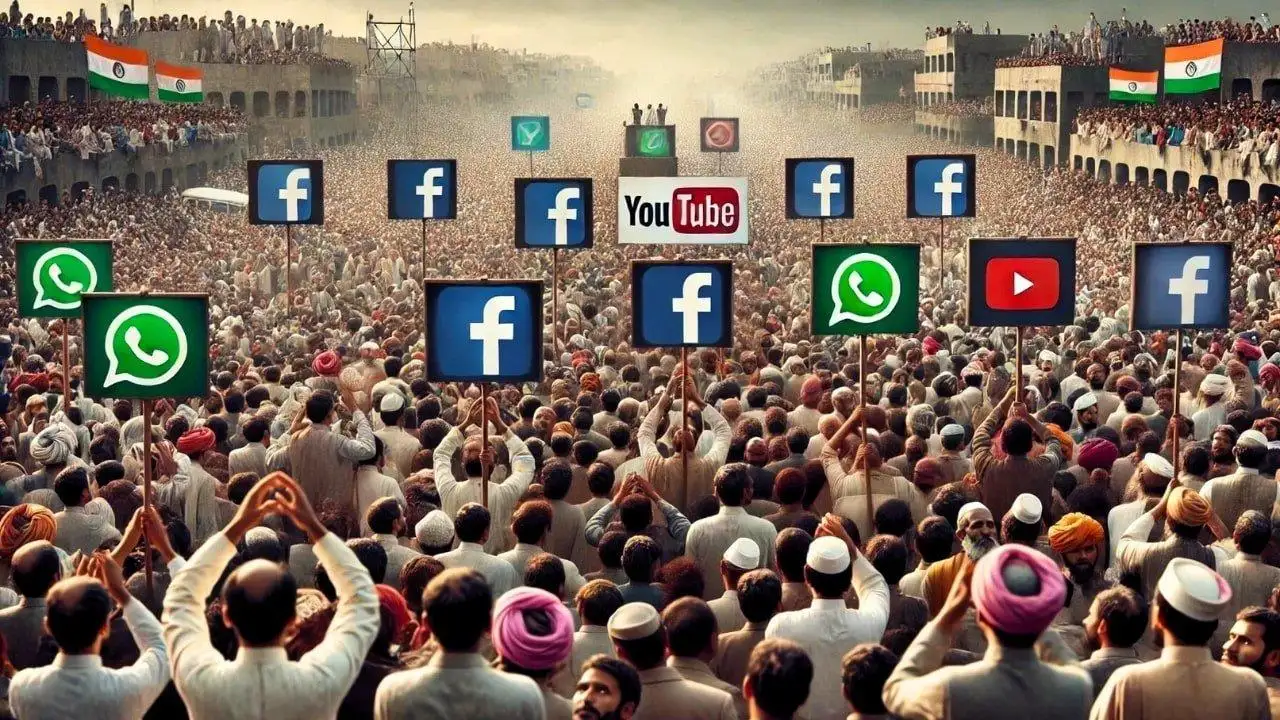
Meet the Cockroach That Has Surprisingly Entered India’s Political Arena With a Newly Launched Party (image source: "Chat GPT Image Generated and AI Viuasls")
Our Daily Dose of Truth and Trends
Meet the Cockroach That Has Surprisingly Entered India’s Political Arena With a Newly Launched Party (image source: "Chat GPT Image Generated and AI Viuasls")
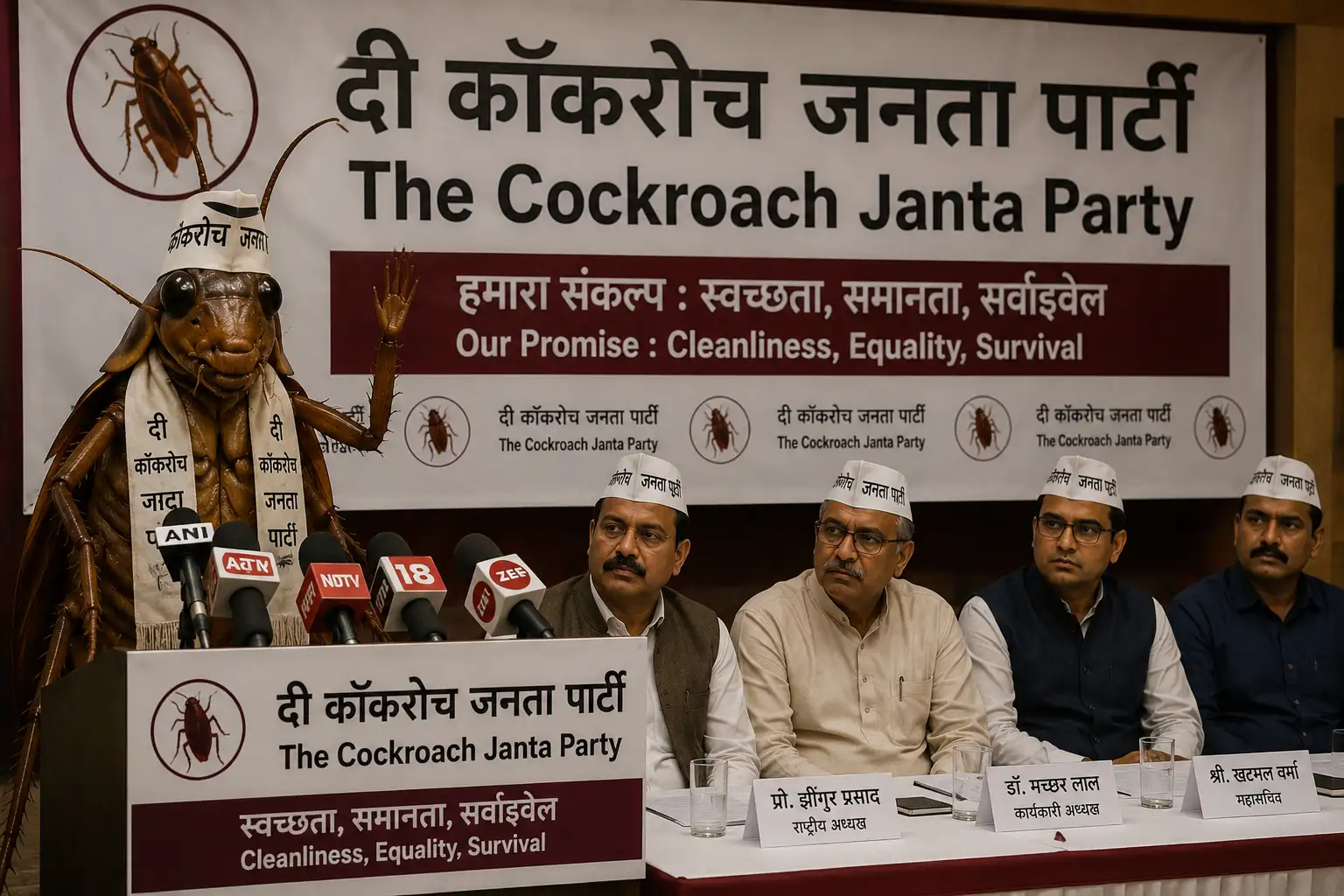
India’s political landscape has taken a peculiar and unexpected turn with the emergence of a new movement dubbed the “Cockroach Janata Party,” which has rapidly captured public attention across social media platforms. What initially appeared to be merely an internet jest has now evolved into a youth-led political experiment—a subject of widespread discussion that has piqued the curiosity of people across the entire nation.
According to reports, the movement originated following a heated online debate sparked by remarks made within the courtroom of the Chief Justice of India. Shortly thereafter, social media users—particularly members of the Gen-Z generation—began employing the symbol of the cockroach as a form of satire. Through this imagery, they sought to express their resilience, their tenacity in the face of adversity, and their disillusionment with traditional political establishments.
At the center of this movement is Abhijit Dipke, who is credited with transforming a viral online trend into an organized political campaign. According to reports, this concept stems from a growing sense of discontent among the youth, who feel disconnected from mainstream politics and existing political parties.
Supporters of the ‘Cockroach Janata Party’ assert that this symbol represents ordinary citizens who, despite facing economic pressure, unemployment, rising inflation, and political neglect, continue to survive. Social media users quickly embraced this insect metaphor, describing the cockroach as a creature capable of surviving in almost any adverse situation.
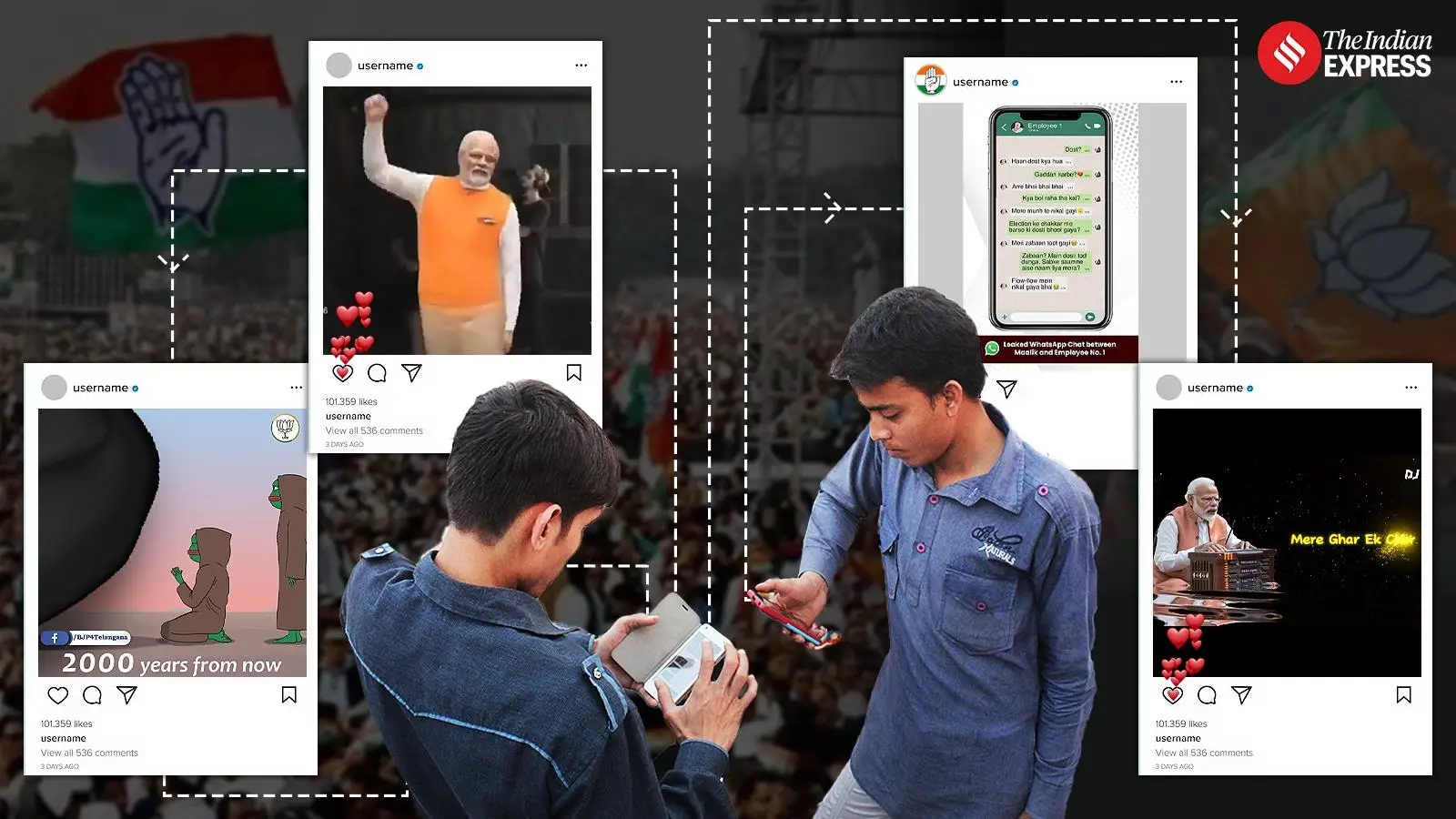
This movement gained momentum primarily through memes, Reels, online debates, and short-form videos. Within just a few days, hashtags associated with the party began trending on platforms such as Instagram, X, and YouTube—particularly among young internet users who could identify with the movement’s ‘anti-establishment’ stance.
Interestingly, many supporters argue that this movement is not entirely facetious. Although its branding appears satirical, the discussions surrounding it encompass serious issues such as unemployment, corruption, the quality of education, mental health, digital freedom, and economic inequality.
Political analysts believe that the emergence of such movements demonstrates the profound extent to which internet culture is now influencing public discourse in India. Unlike traditional political campaigns—which rely heavily on rallies and television coverage—these new youth-led movements are taking shape directly through online engagement and viral content.
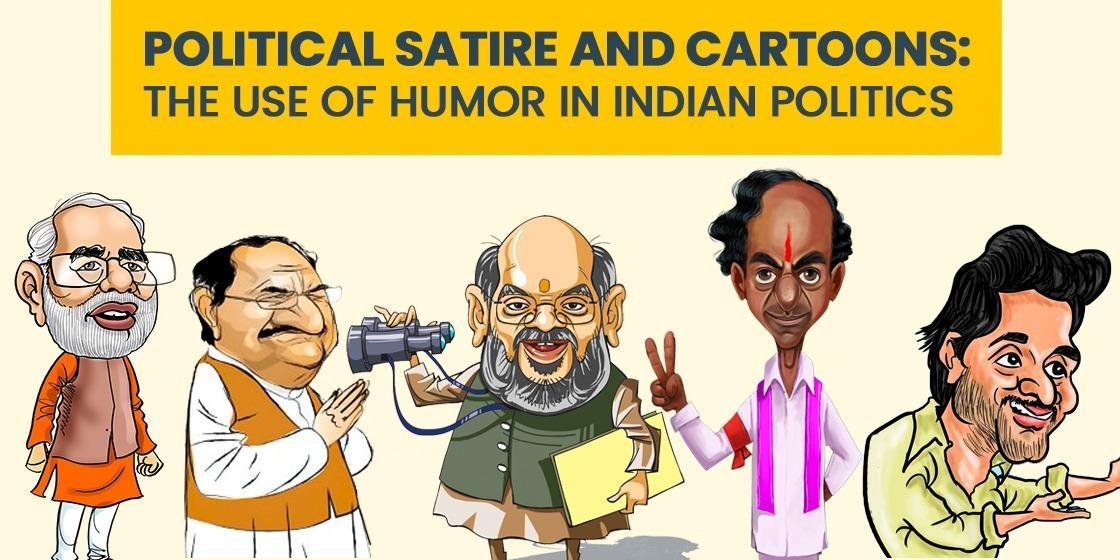
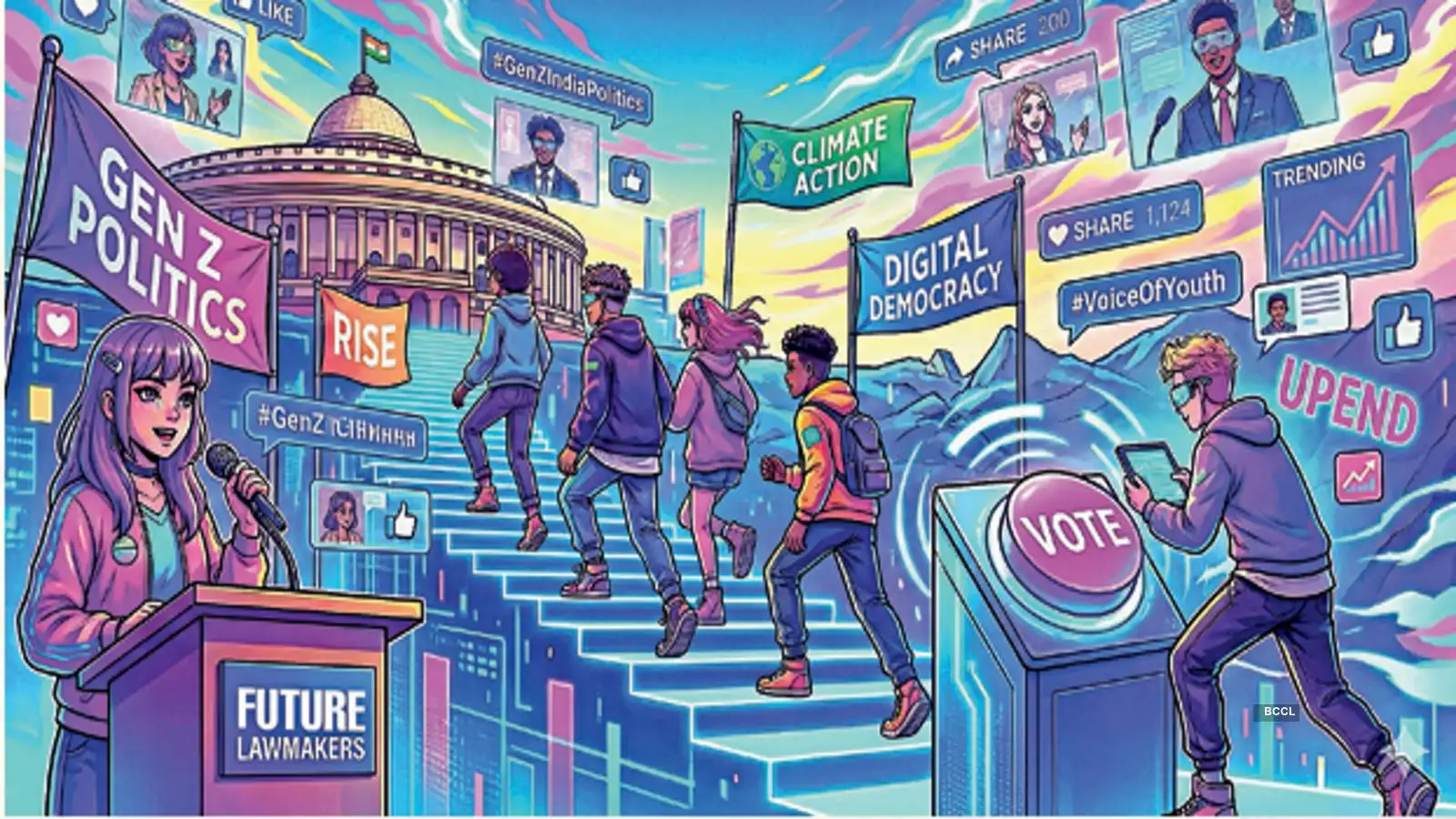
Experts also point out that Gen Z audiences are increasingly utilizing humor and satire as tools for political expression. Memes, parody slogans, and symbolic campaigns have emerged as powerful avenues for younger generations to voice their frustrations and participate in national discourse.
The ‘Cockroach Janata Party’ has also elicited mixed reactions from the public. Some view it as a creative form of protest that highlights the genuine concerns of young Indians, while others believe it may remain merely a fleeting internet trend, devoid of any serious political impact.
Despite the criticism, this movement has already achieved a significant success: capturing national attention. Its unique name and viral iconography have enabled the party to instantly stand out in a crowded digital landscape where establishing a distinct identity is often a challenge.
Experts suggest that this shift signifies a major transformation within Indian politics, where the new generation is demanding novel forms of representation and discourse. Traditional political rhetoric is gradually being supplanted by internet-centric parlance, pop culture references, and digitally organized movements.
It remains uncertain whether the ‘Cockroach Janata Party’ will evolve into a serious political force or merely fade away as an online trend. However, its sudden surge in popularity clearly demonstrates the growing influence of ‘Gen Z’ voices in shaping political discourse across India.
For now, what began as a viral internet reaction has emerged as one of the most unique political narratives of the year. The ‘Cockroach Janata Party’ may sound bizarre, yet it has successfully tapped into the sentiments, humor, and frustrations of a digitally connected generation seeking a distinct way to make its voice heard.