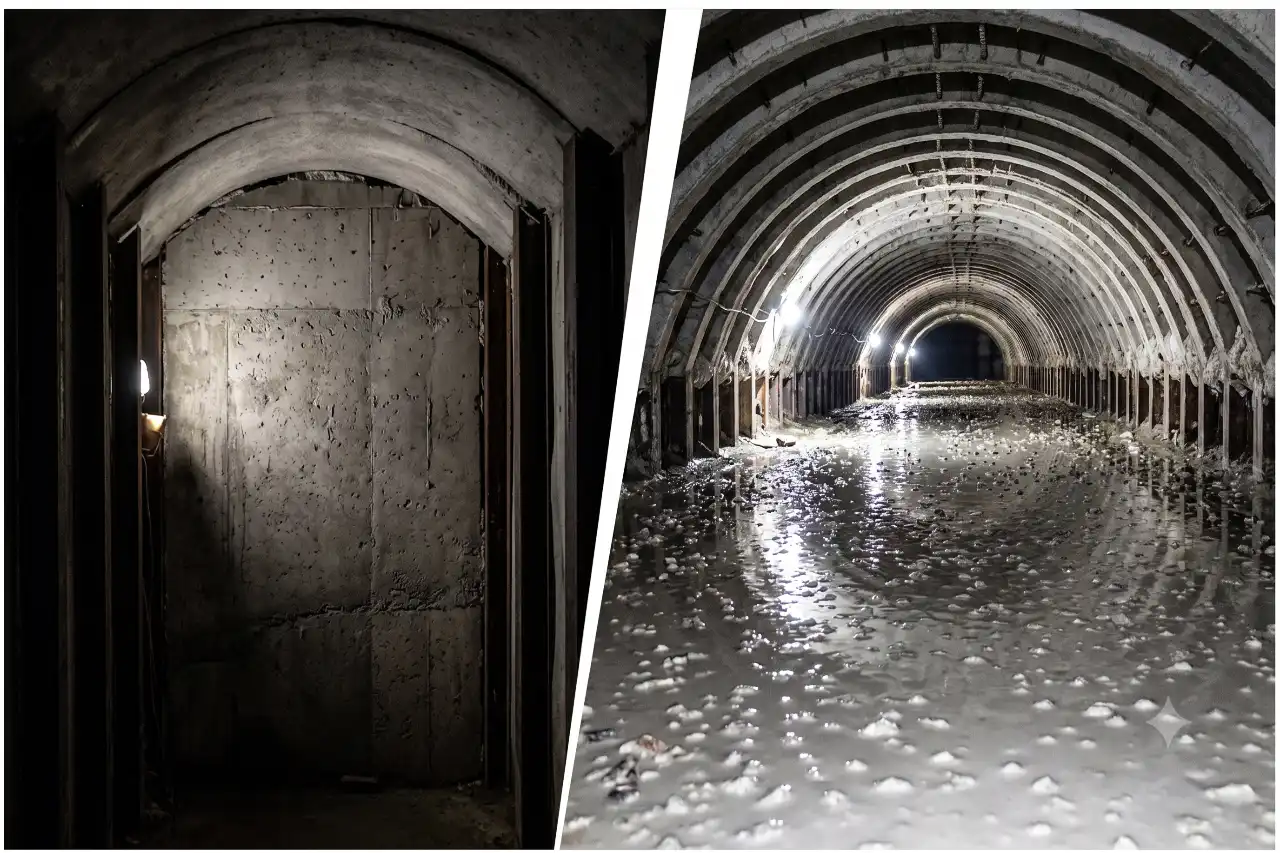
Israel Seals Massive Underground Hamas Tunnel Network with Cement (image source: "Google Gemini AI Generated Visuals")
Our Daily Dose of Truth and Trends
Israel Seals Massive Underground Hamas Tunnel Network with Cement (image source: "Google Gemini AI Generated Visuals")
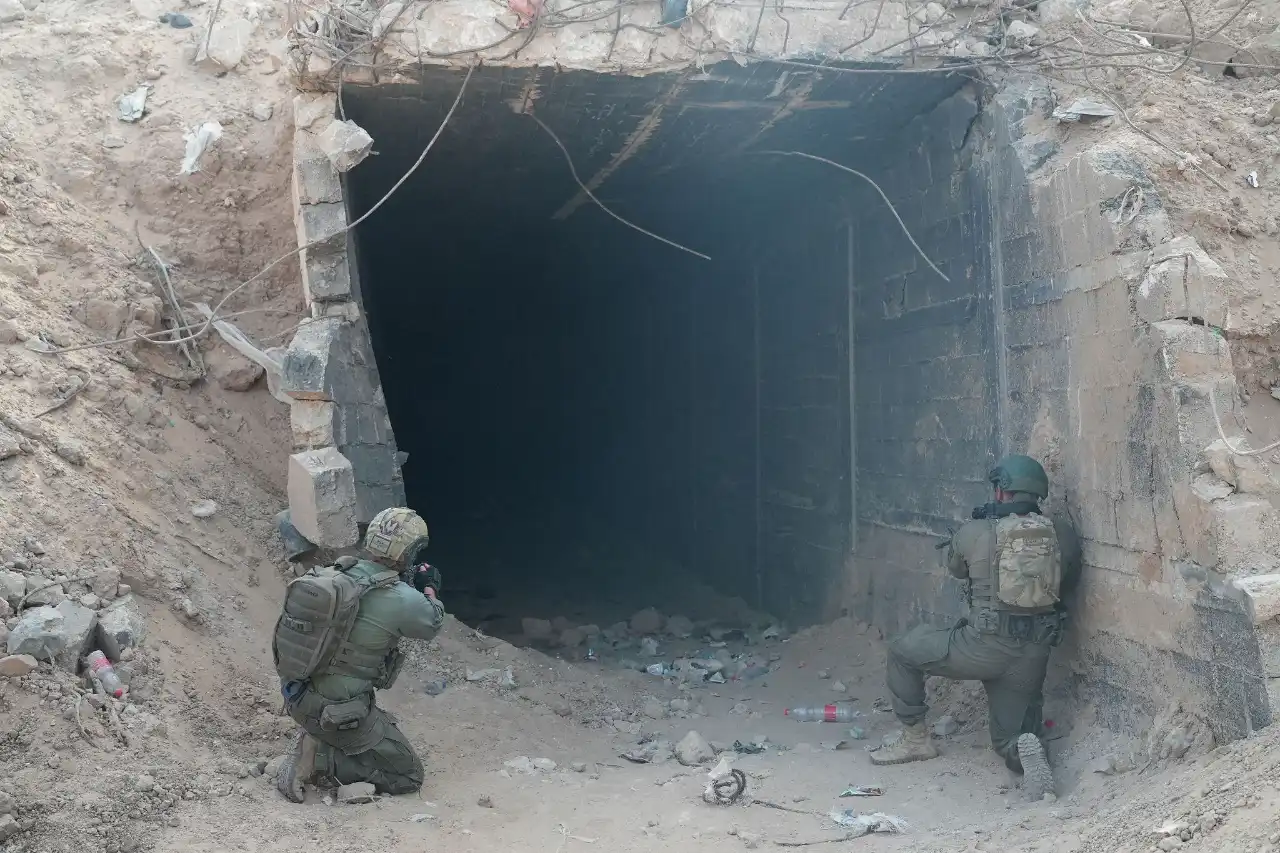
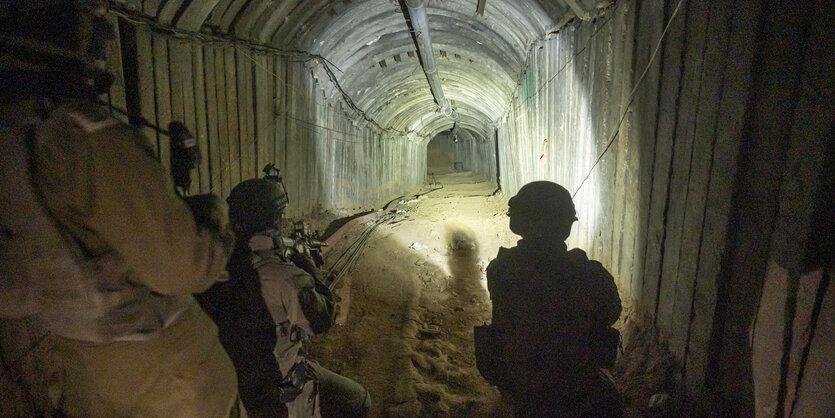
Israel has announced the completion of a major military engineering operation in southern Gaza to seal off a 16-kilometer-long underground tunnel network linked to Hamas. According to statements from the Israeli military, the tunnel system comprised approximately 80 rooms and operational spaces and was permanently sealed using thousands of cubic meters of concrete.
The operation was reportedly conducted in the Rafah area near the Philadelphi Corridor, a strategically sensitive zone along the Gaza-Egypt border. Israeli officials have described this tunnel network as one of the largest underground systems discovered during military operations in Gaza.
According to the Israeli military, the sealing process took approximately three months and involved combat engineering teams as well as special army units. Reportedly, more than 30,000 cubic meters of concrete were used to permanently close the underground passages.
Israeli officials stated that this underground complex was used as a command-and-control center and included living quarters as well as operational rooms. Army statements have also linked this network to Hamas operations in southern Gaza.
This tunnel drew particular attention because Israeli officials stated it was linked to the location where the remains of Israeli soldier Lieutenant Hadar Goldin had been held following the 2014 conflict. Goldin’s remains were returned to Israel in 2025 under a separate arrangement regarding the return of hostages.
According to reports from the Israeli military, the tunnel ran beneath a densely populated civilian area, passing under residential neighborhoods and public facilities. Such underground construction has been one of the most contentious issues during urban warfare in Gaza.
Tunnel infrastructure has played a pivotal role in this major conflict. Historically, underground networks have been used for movement, concealment, logistics, and military planning. Israel has repeatedly identified the destruction of tunnel infrastructure as a strategic objective.
At the same time, operations involving tunnels remain a subject of international controversy due to the challenges associated with conducting military actions in densely populated urban areas. Humanitarian organizations and international observers are continuously monitoring the impact of operations targeting conflict-related infrastructure on civilians and reconstruction efforts.
Analysts note that sealing such a large underground system with concrete rather than explosives may indicate an attempt to prevent future reuse and avoid wider structural collapse in surrounding areas. The method reflects how military tactics continue evolving in underground conflict environments.
The operation marks another significant phase in Israel’s broader campaign targeting underground infrastructure in Gaza. Whether similar networks remain active and how future security and reconstruction efforts unfold continues to be closely watched across the region.