Iran Excludes European Countries from Khamenei’s Funeral, Says They Supported the Opposite Side (image source: "Chat GPT AI Generated Visuals")
Our Daily Dose of Truth and Trends
Iran Excludes European Countries from Khamenei’s Funeral, Says They Supported the Opposite Side (image source: "Chat GPT AI Generated Visuals")
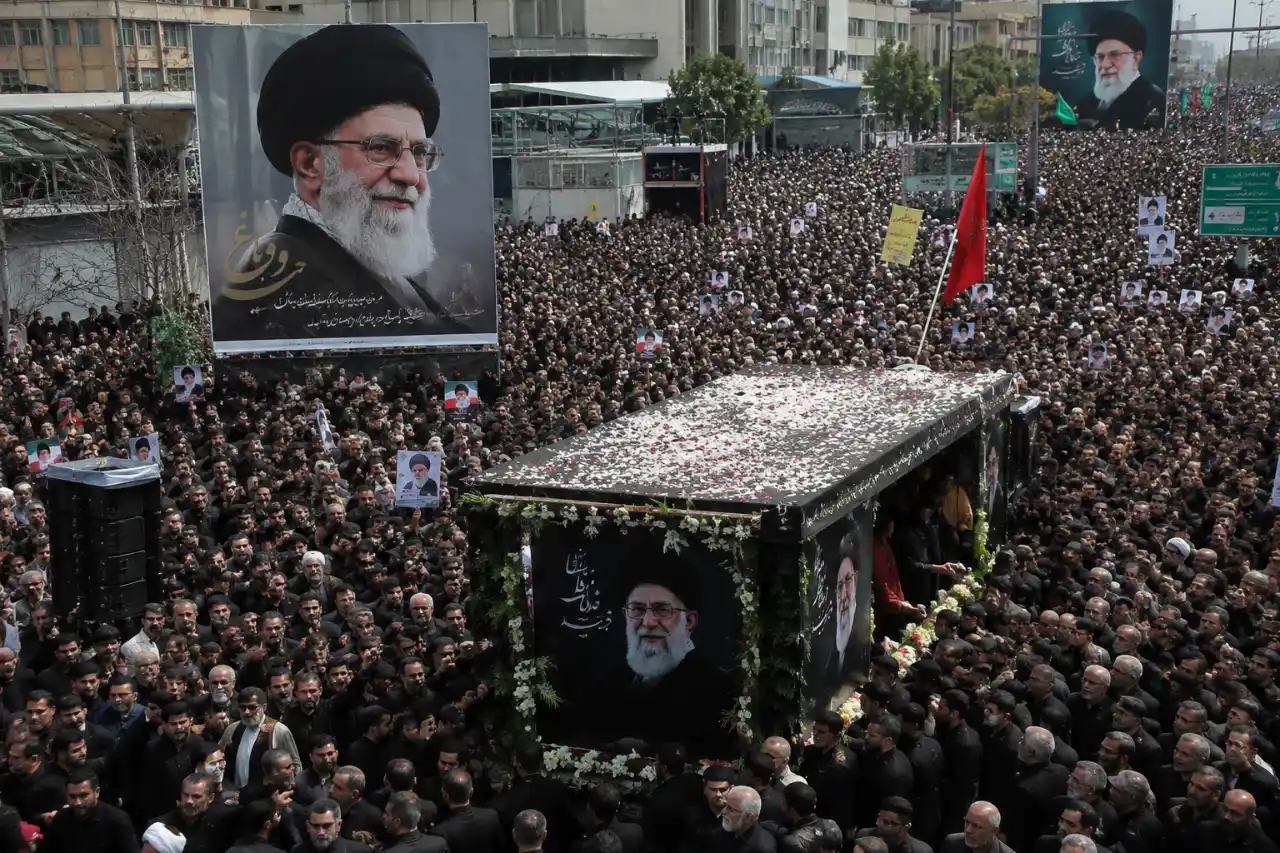
Preparations for the state funeral of Supreme Leader Ayatollah Ali Khamenei have taken a new diplomatic turn, with reports indicating that European leaders will not be invited to attend. Iranian officials and government-linked figures have justified this move, arguing that several European nations had supported an anti-Iran political stance during recent conflicts.
The funeral is expected to be one of the largest public events in the history of modern Iran. According to announced plans, farewell and burial ceremonies will be held across several cities—including Tehran, Qom, holy cities in Iraq, and finally Mashhad—between July 4 and July 9. Iranian officials estimate that hundreds of thousands of people could participate.
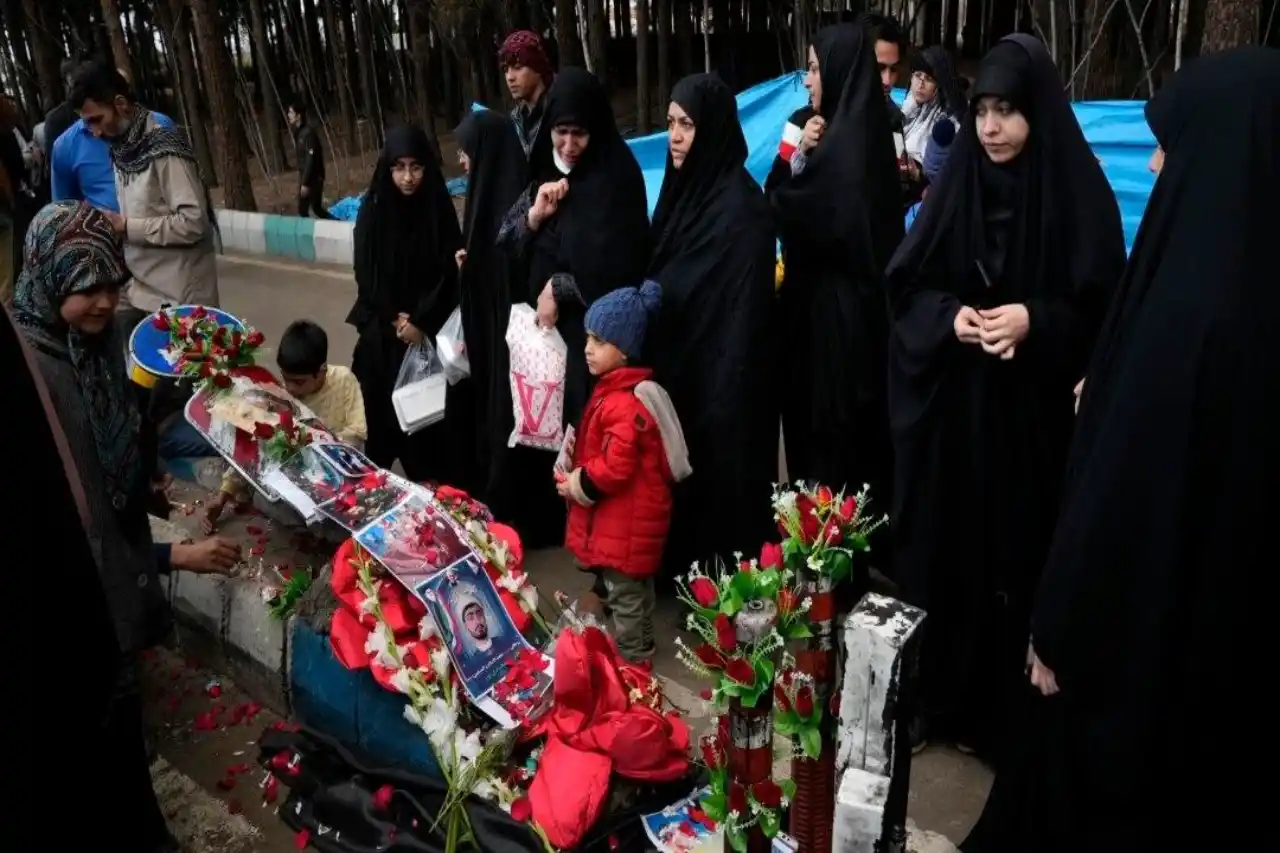
Ayatollah Ali Khamenei, who led Iran for nearly four decades, was killed during the initial phase of a conflict between the United States and Israel in 2026. His death was followed by a prolonged period of mourning and delays in funeral arrangements, ultimately leading to a change of leadership in Iran.
Analysts view the exclusion of European nations not merely as a procedural decision, but as something far more significant. It reflects the ongoing tension between Tehran and several Western governments regarding security, regional policy, and diplomatic responses amidst the conflict.
At the same time, it appears that Iran is maintaining diplomatic engagement with certain international partners. According to reports, delegations from various countries across Asia and the region may attend the funeral proceedings at different levels.
The funeral preparations involved months of planning. Earlier schedules had been postponed due to security concerns and uncertainties arising from the conflict. Subsequently, officials released a new schedule to manage crowd movements, security arrangements, and the presence of international attendees.
Iranian authorities have also made extensive arrangements for transport and security. Restrictions are expected at the airport, on roads, and in areas where large crowds gather, in order to manage the anticipated influx of people, according to officials.
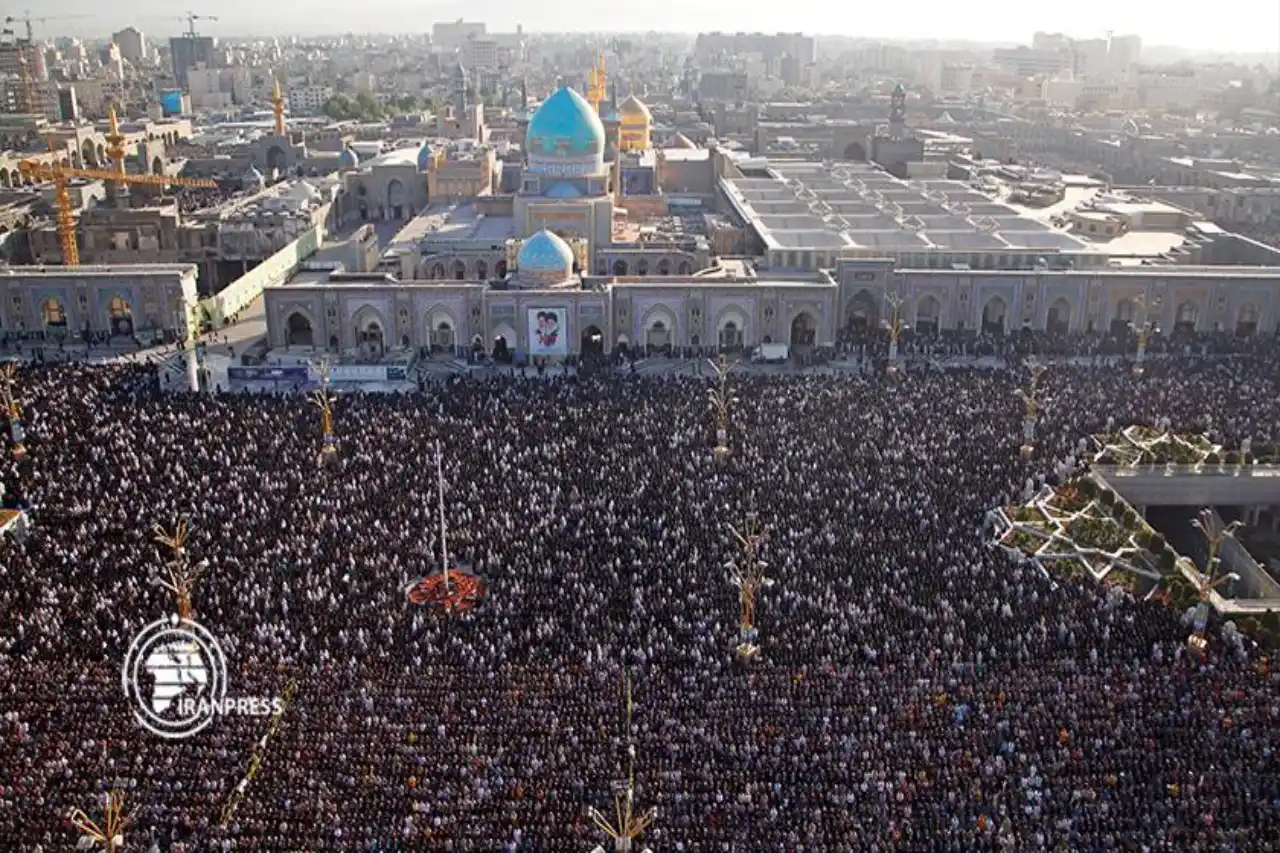
The final stage of the ceremony is expected to take place in Mashhad, Khamenei’s birthplace and one of Iran’s most important religious centers. The burial site holds symbolic significance, given its religious and political importance within Iran.
Political analysts observe that the guest lists and invitations for such events often convey diplomatic messages that go beyond mere protocol. Who attends—and who does not—can be viewed as an indicator of existing international alliances and future regional relations.
While the funeral in Iran serves as a moment of national mourning, the reported exclusion of European nations has added another layer to an already sensitive geopolitical climate, highlighting how diplomatic tensions stemming from recent conflicts are impacting international relations far beyond the battlefield.