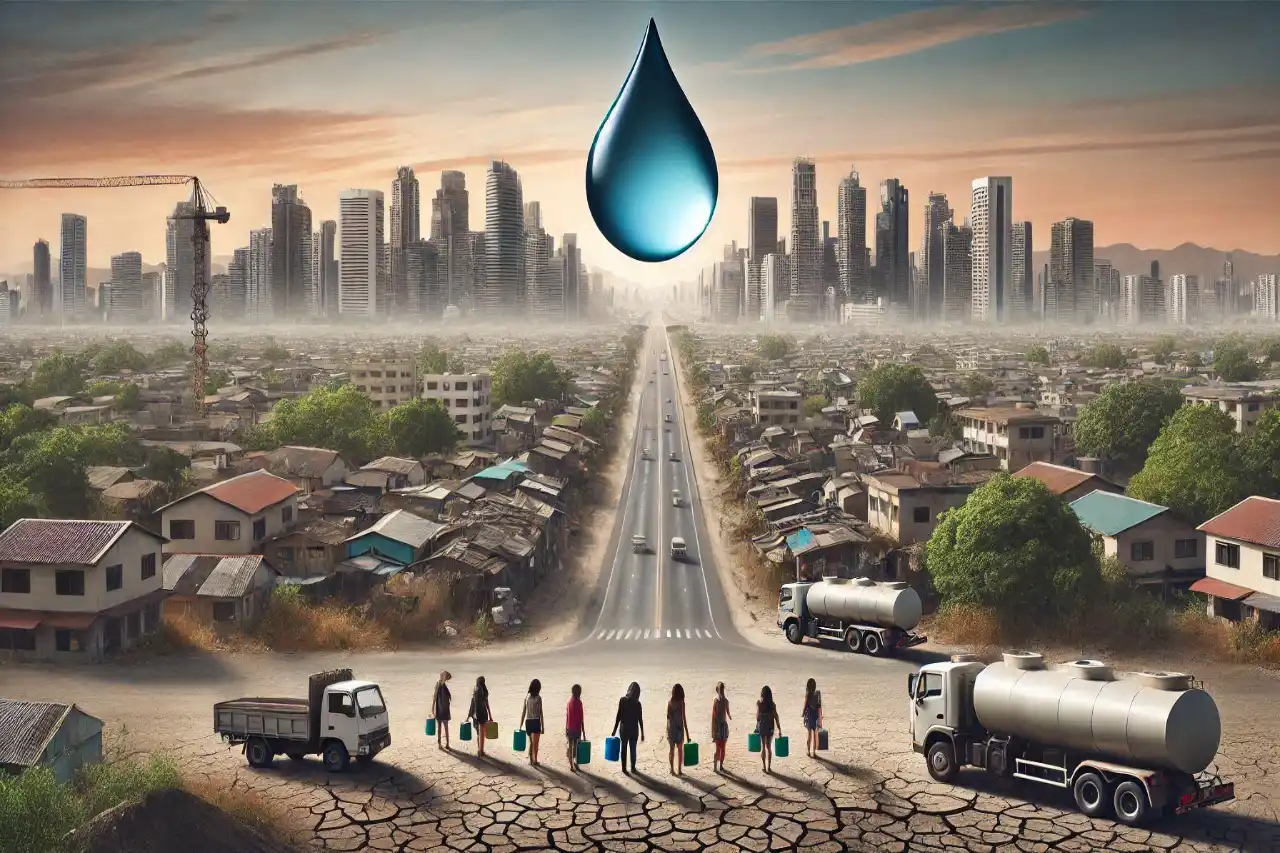
The Sky People (image source: "Chat GPT AI Generated Visuals")
Our Daily Dose of Truth and Trends
The Sky People (image source: "Chat GPT AI Generated Visuals")
According to the latest forecast by the India Meteorological Department (IMD), India may experience a weaker-than-normal monsoon in July. Weather officials have warned that the strengthening of ‘El Niño’ conditions in the Pacific Ocean could lead to reduced rainfall in July—one of the most critical months for Indian agriculture.
This warning follows unusually low rainfall across the country during June. IMD data indicates that rainfall in June was approximately 40% below normal. It was one of the driest Junes for India in over a decade and the fifth-driest June since record-keeping began in 1901.
According to monthly projections, rainfall in July 2026 is expected to be less than 94% of the ‘Long Period Average’ (LPA). July is typically India’s wettest month and plays a crucial role in agriculture, filling reservoirs, and ensuring water availability.
El Niño is a weather phenomenon that occurs when surface temperatures in parts of the Pacific Ocean become warmer than usual. Historically, years with a strong El Niño impact have often been associated with a weak monsoon in India, although this correlation does not hold true every year.
The IMD has reported that El Niño conditions are strengthening in the equatorial Pacific and could influence wind patterns during the monsoon, potentially affecting the intensity and distribution of rainfall across various regions.
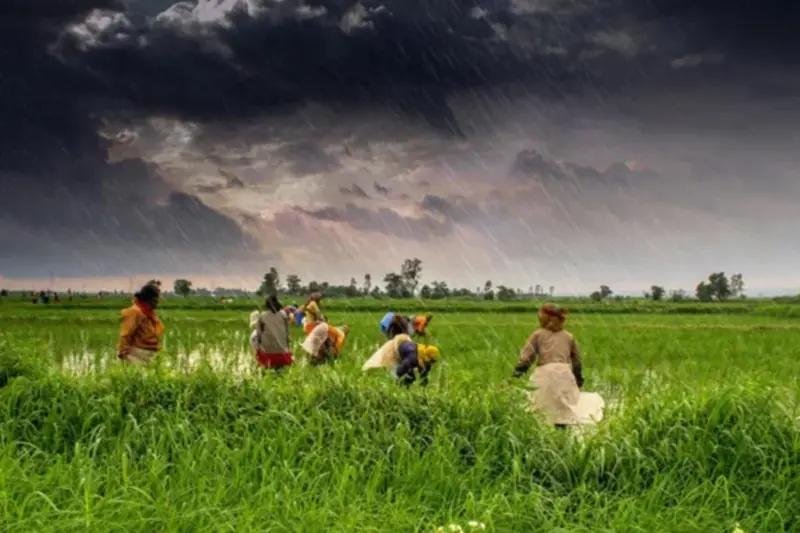
The period of deficient rainfall is particularly critical because July is the peak time for sowing Kharif crops such as paddy, soybean, cotton, and maize. Insufficient rainfall during this time could delay sowing, and if conditions do not improve subsequently, crop development could be adversely affected.
However, weather experts have also indicated that the situation is not entirely bleak. The IMD expects that the formation of a low-pressure system over the Bay of Bengal in early July will lead to a temporary improvement in rainfall across parts of North and Central India. These systems could help alleviate the current rainfall deficit.
A weak monsoon affects more than just agriculture; rainfall impacts groundwater recharge, hydroelectric power generation, water storage in reservoirs, and even food prices. Since nearly half of India’s arable land still relies heavily on rainfall, the performance of the monsoon has a direct impact on rural incomes and inflation.
Climate scientists also note that monsoon behavior has become highly erratic in recent years. Instead of consistent seasonal rainfall, India is now witnessing uneven precipitation patterns—characterized by prolonged dry spells followed by intense rainfall over short periods.
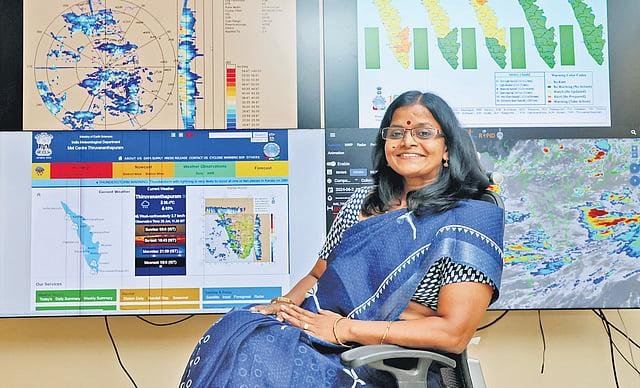
For now, the IMD emphasizes the need for continuous monitoring throughout July. Farmers, government agencies, and water resource planners are advised to prepare for these shifting rainfall patterns and stay updated on future forecasts. Even if July begins under challenging conditions, there is still scope for the overall seasonal situation to improve if rainfall picks up in August and September.