Donald Trump Delays Planned Tuesday Strike on Iran Following Appeals From Gulf Leaders (image source: Chat GPT "AI Visuals"
Our Daily Dose of Truth and Trends
Donald Trump Delays Planned Tuesday Strike on Iran Following Appeals From Gulf Leaders (image source: Chat GPT "AI Visuals"
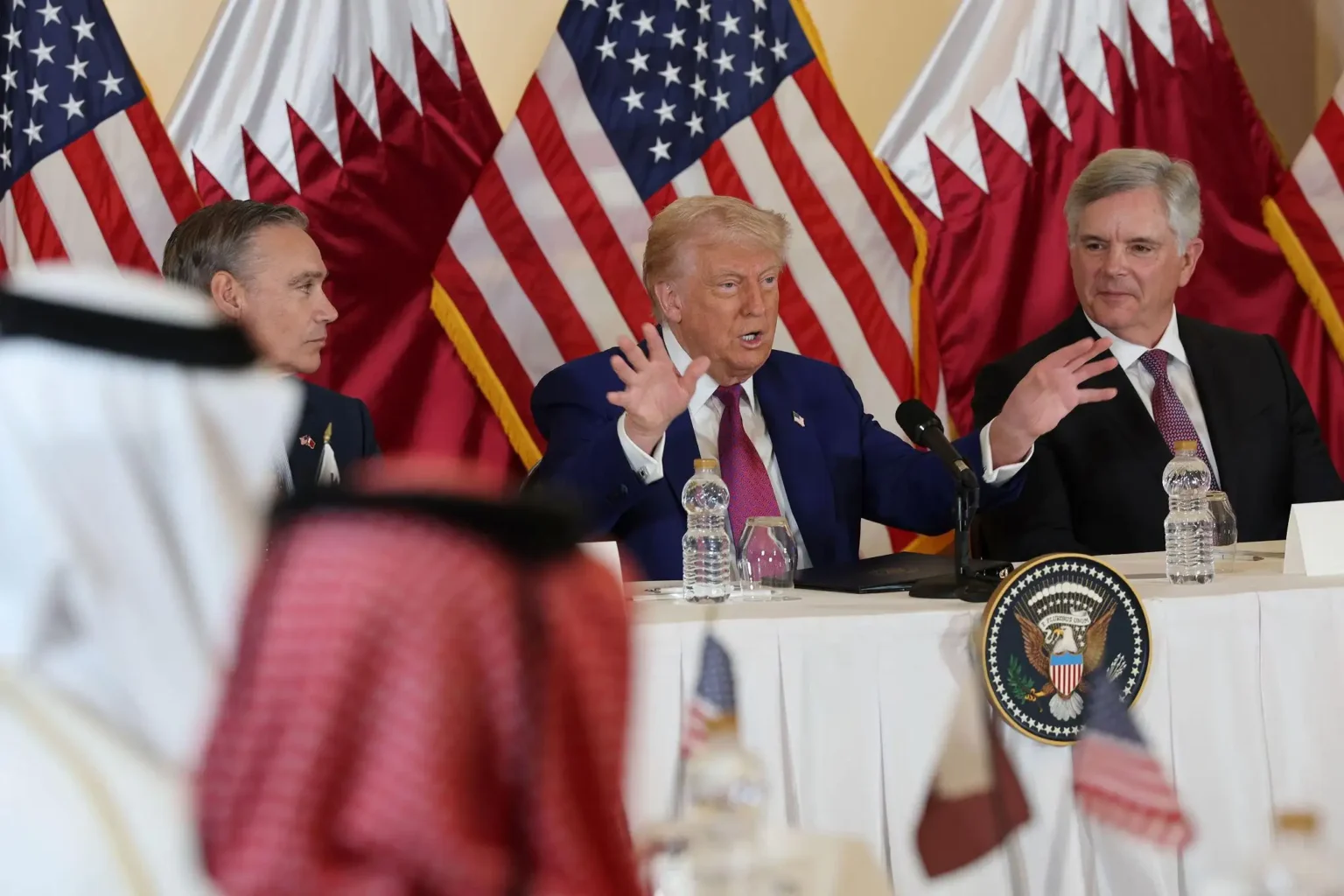
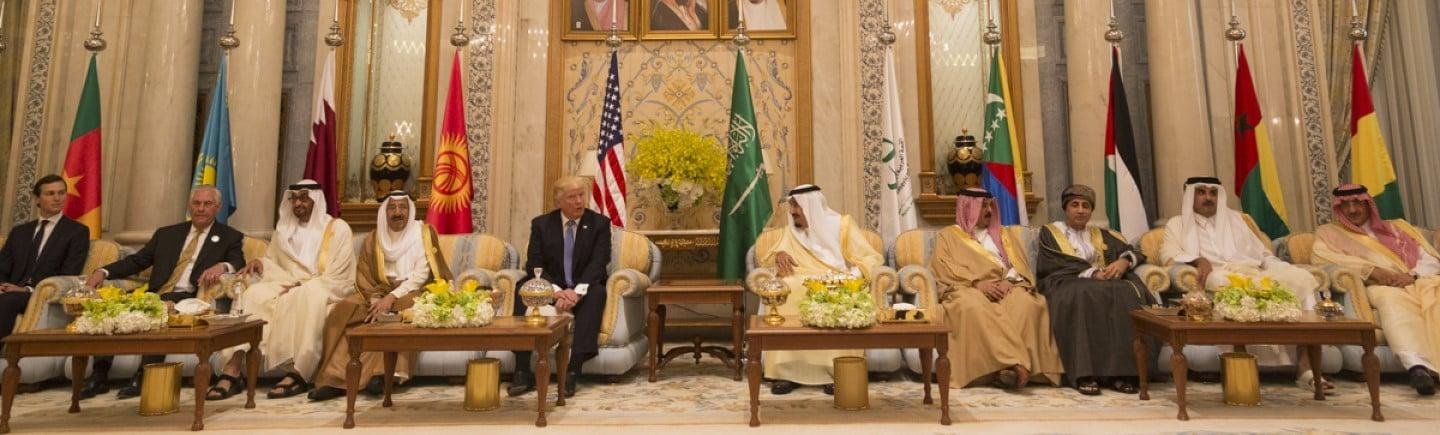
Fresh tensions in the Middle East took a dramatic turn after reports emerged that former U.S. President Donald Trump decided to delay a planned military strike on Iran following urgent appeals from several Gulf nations. The development has drawn global attention as fears of a wider regional conflict continue to grow.
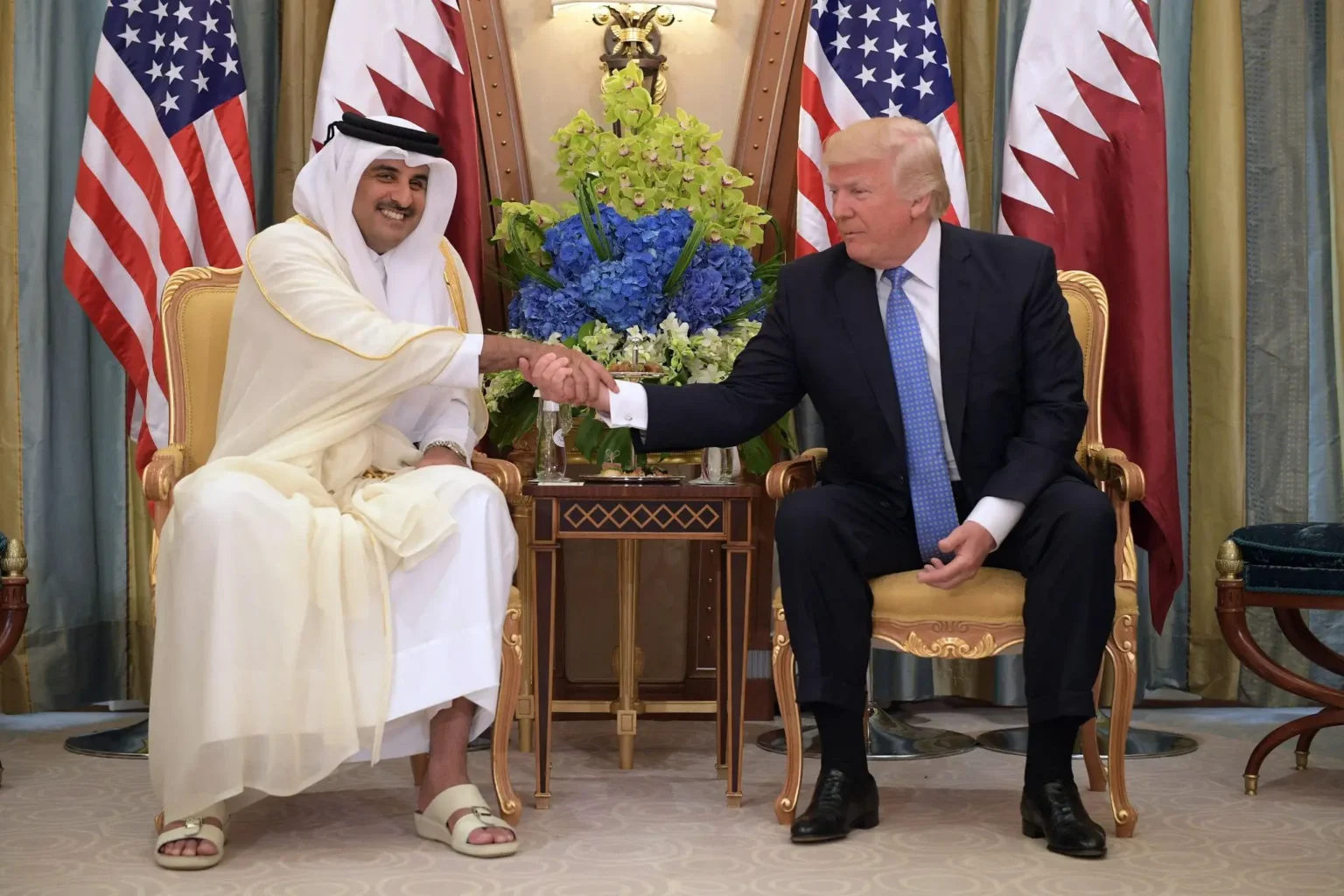
According to reports circulating in international media, Gulf leaders requested additional time for diplomatic efforts before any military action was taken. Countries in the Gulf region reportedly expressed concern that a direct strike on Iran could destabilise the Middle East further and severely impact regional security, trade routes, and oil markets.
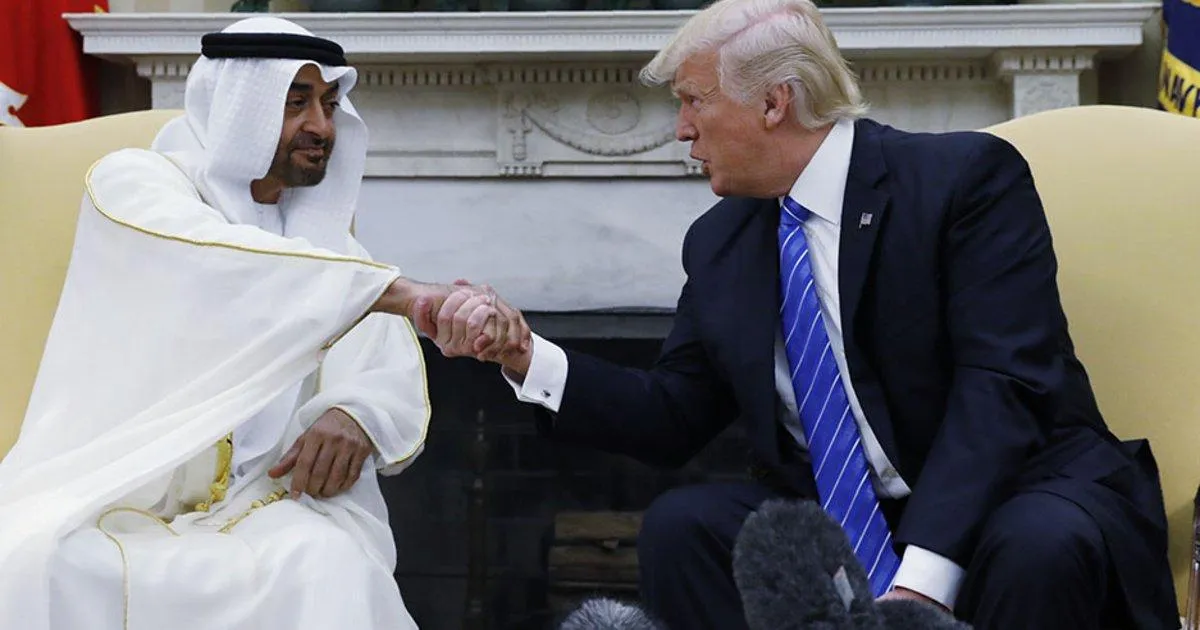
Officials from countries such as Saudi Arabia, Qatar, and the United Arab Emirates have advised restraint; they have warned that an escalation of military conflict could trigger severe economic and geopolitical repercussions across the entire region.
Analysts view this perceived delay as an attempt to keep diplomatic channels open while avoiding immediate military confrontation. Experts believe that the Gulf nations are striving to strike a balance between their security concerns and the imperative to maintain economic stability and regional peace.
Officials from countries such as Saudi Arabia, Qatar, and the United Arab Emirates have advised restraint; they have warned that an escalation of military conflict could trigger severe economic and geopolitical repercussions across the entire region.
Analysts view this perceived delay as an attempt to keep diplomatic channels open while avoiding immediate military confrontation. Experts believe that the Gulf nations are striving to strike a balance between their security concerns and the imperative to maintain economic stability and regional peace.
The Middle East remains one of the world’s most strategically significant regions due to its vast oil reserves and critical shipping lanes. Any conflict involving Iran has the potential to disrupt global energy supplies, drive up crude oil prices, and impact international financial markets within a matter of hours.
According to reports, financial markets have reacted cautiously to these developments, and investors are closely monitoring the unfolding events in the region. Rising geopolitical uncertainty often triggers volatility in oil prices, stock markets, and currency movements—particularly in countries that are heavily dependent on energy imports.
Security experts state that if tensions between the United States and Iran escalate further, Gulf nations are particularly concerned about the potential for retaliatory attacks, disruptions to maritime trade, and threats to energy infrastructure. Over the past decade, the region has faced instability on multiple occasions, leading its governments to become increasingly wary of large-scale military confrontations.
Meanwhile, political analysts believe that this perceived easing of tensions could provide an opportunity for behind-the-scenes dialogue and diplomatic mediation. Numerous international leaders and organizations have repeatedly urged all parties to refrain from taking any steps that could push the region toward a major conflict.
According to reports, in an effort to prevent the ongoing regional conflict from escalating further, Iran has submitted a revised 14-point peace proposal to the United States through Pakistani intermediaries. This proposal comes amidst rising tensions among Iran, the U.S., and Israel, as well as fears of a major war breaking out in the Middle East.
According to these reports, Iran’s new proposal focuses primarily on ending military confrontation, easing sanctions, and restoring regional stability. It is reported that Tehran seeks to have all major issues resolved within 30 days, rather than under the prolonged, ceasefire-based framework previously proposed by Washington.
Some of the key demands in Iran’s revised 14-point proposal reportedly include:
Iran reportedly insists that discussions should focus first on ending the war and restoring stability before broader nuclear negotiations move forward. Iranian officials have also warned that the country remains prepared for conflict if diplomatic efforts fail.
Meanwhile, according to reports, former U.S. President Donald Trump has expressed dissatisfaction with certain aspects of this proposal—particularly regarding Iran’s nuclear program and the issue of control over the Strait of Hormuz. U.S. officials believe that the revised proposal still fails to meet Washington’s core security demands.
The world’s major powers are keeping a close watch on this proposal, as any tensions involving Iran could impact oil prices, maritime routes, and global financial markets. Gulf nations such as Saudi Arabia, Qatar, and the United Arab Emirates are also reportedly advocating for diplomatic solutions in an effort to avert a major regional conflict.