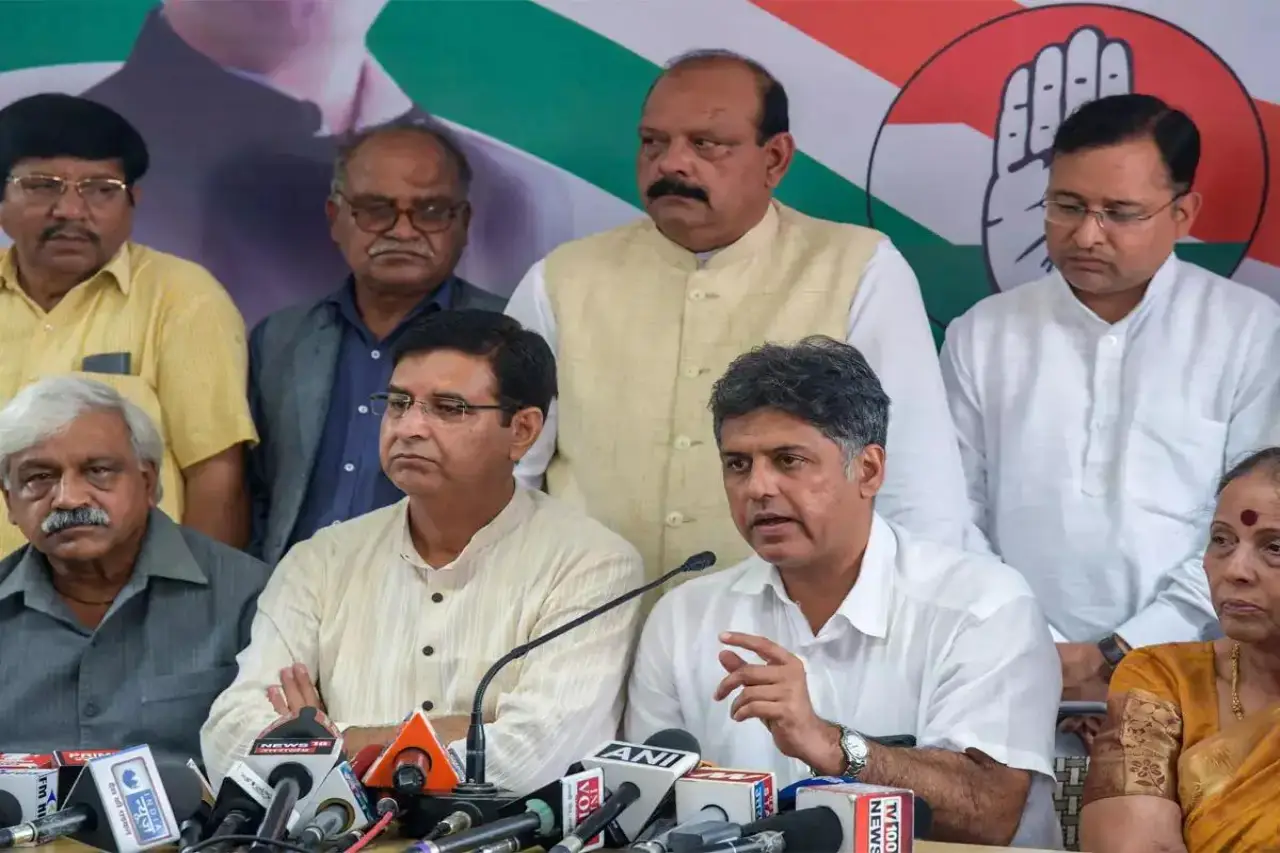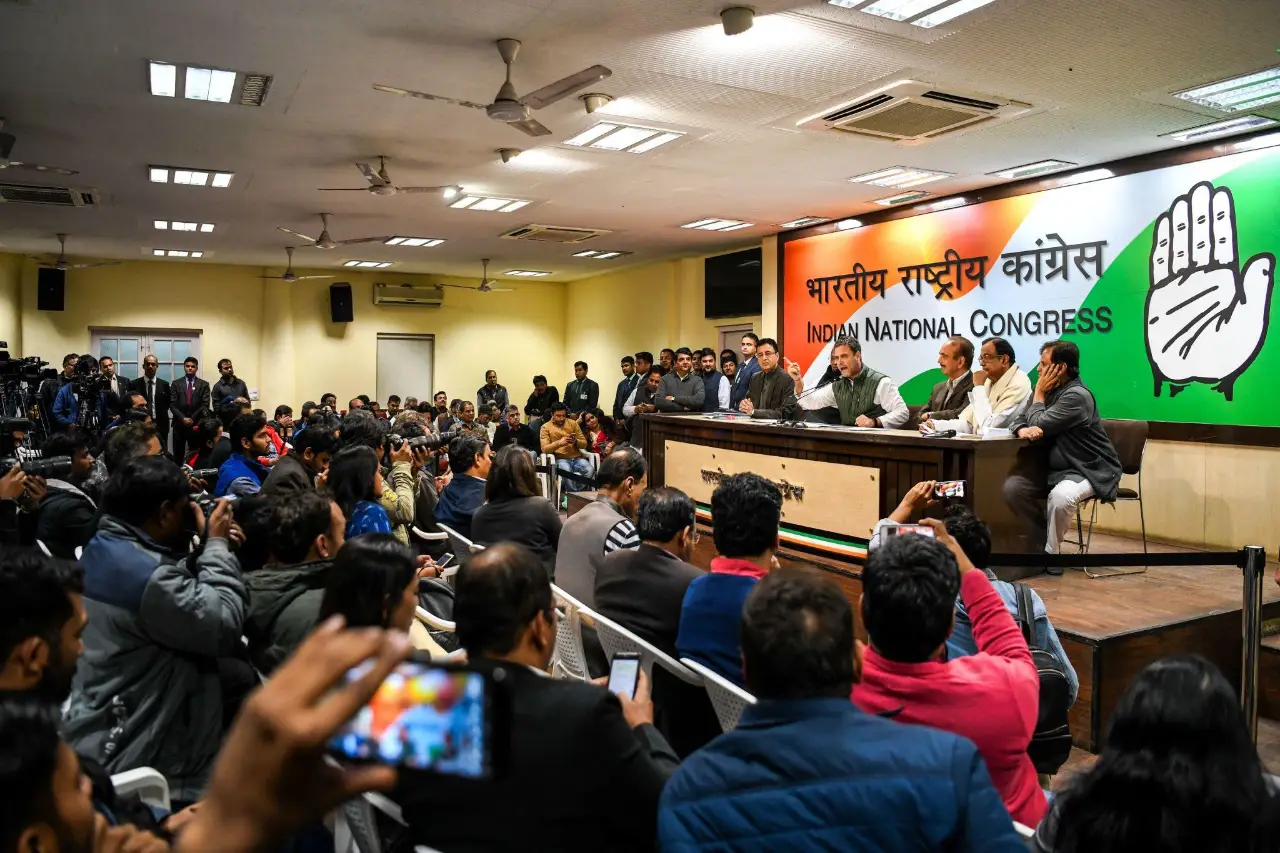
INDIA-POLITICS-CONGRESS (image source: "Chat GPT AI Generated Visuals")
Our Daily Dose of Truth and Trends
INDIA-POLITICS-CONGRESS (image source: "Chat GPT AI Generated Visuals")
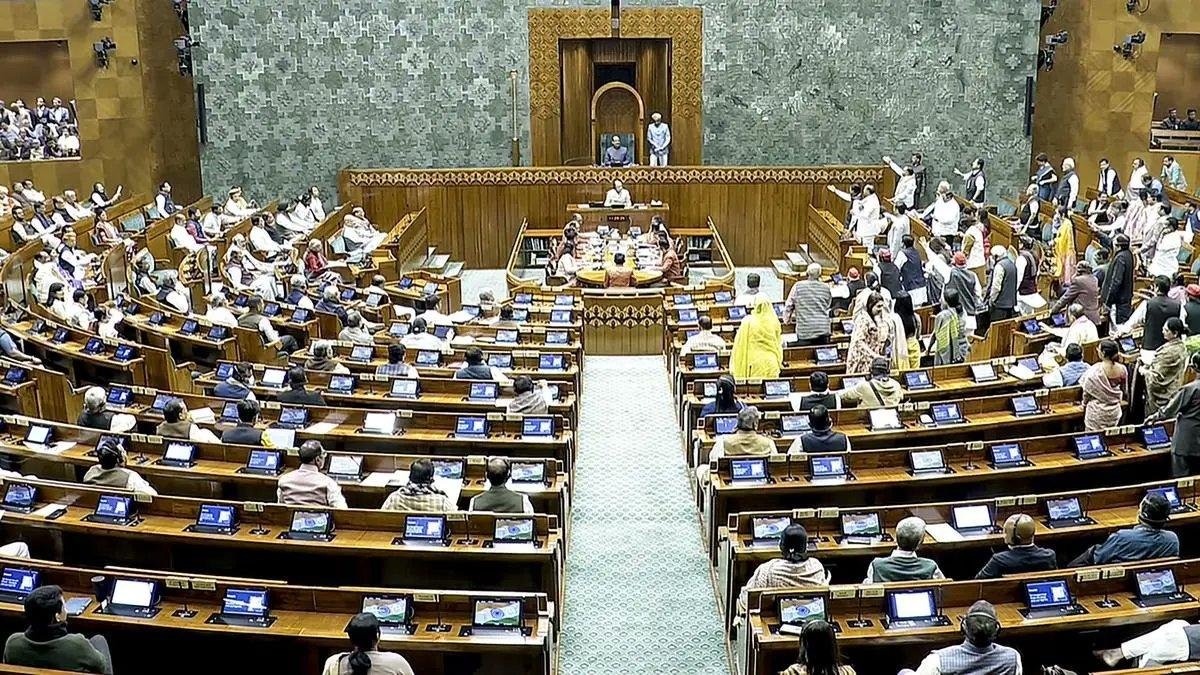
A new political debate has erupted following the Congress party’s allegation that the BJP’s objective behind securing a two-thirds majority in the Lok Sabha is to alter the constitutional provisions regarding reservation. This statement has added a new dimension to the ongoing discourse surrounding parliamentary numbers, constitutional amendments, and electoral strategy.
Congress leader Jairam Ramesh made these remarks while speaking to the media. He claimed that the BJP’s “real and ultimate goal” is to secure a parliamentary majority large enough to enact major constitutional changes. According to the Congress leader, the reservation policy lies at the heart of their concerns.
The Congress also argued that the debates surrounding delimitation and women’s reservation cannot be viewed in isolation but must be understood within a broader constitutional context. The party raised the question of whether future changes to the parliamentary structure could affect the balance of representation among states and social groups.
This controversy has emerged at a time when political attention is focused on parliamentary arithmetic and the importance of a ‘super-majority’ (special majority) for passing constitutional amendments. In India, constitutional amendments generally require a special majority in Parliament, which is far greater than a simple majority.
Reservation is one of India’s most significant public policy frameworks, and historically, it has been linked to representation and affirmative action for socially and educationally backward communities. This system has evolved over decades through constitutional provisions, legislative measures, and judicial interpretations.
Congress leaders also linked their criticism to past political campaigns centered on the massive mandate received in the parliamentary elections. They argued that concerns regarding constitutional amendments and reservation policies have been part of the opposition’s campaign across several elections.
In recent weeks, there has also been speculation about whether the ruling coalition can boost its numbers in Parliament through political alliances and support from other groups. However, experts note that securing a two-thirds majority in the Lok Sabha remains a distinct and significant challenge.
At the same time, the scope of public discourse has expanded to include issues such as delimitation, women’s participation, and the future structure of parliamentary constituencies. These topics are rapidly gaining importance in political conversations.
No official announcement or proposal has been made by the BJP to abolish reservation policies. Current developments reflect the allegations and political criticism leveled by Congress leaders in response to ongoing parliamentary discussions.
As this debate continues, issues concerning representation, constitutional processes, and parliamentary majorities are expected to remain significant within India’s political landscape. It will become clearer in the coming months whether these concerns will translate into legislative proposals or simply remain part of political rhetoric.