Before CBSE’s Investigation Concluded, Sarthak Siddhant Had Already Built a Record Portal Worth ₹1.66 Crore
Class 12 student Sarthak Siddhant has once again drawn national attention—not for questioning the CBSE’s evaluation process this time, but for launching a large-scale public procurement portal after compiling and organizing approximately 16.6 million government procurement records. This initiative has sparked a discussion on the role of technology in transparency, access to public data, and citizen participation.
Sarthak had previously made headlines for scrutinizing documents related to the CBSE’s on-screen marking (OSM) process and highlighting flaws in procurement-related decisions. His work eventually garnered widespread public attention and even became a subject of discussion in Parliament.
According to reports, amidst the ongoing public debate regarding CBSE and related reviews, Sarthak focused his efforts on the vast dataset available on India’s Central Public Procurement (CPP) portal. Using data extraction and organization techniques, he reportedly aggregated approximately 16.6 million procurement records into a publicly accessible, easily searchable platform.
This recently launched portal is designed to make information regarding government procurement easily accessible and comprehensible. Public procurement data typically encompasses tender details, project announcements, vendor participation, timelines, and associated public records; while this information is technically available, it is often difficult to search or interpret in its raw format.
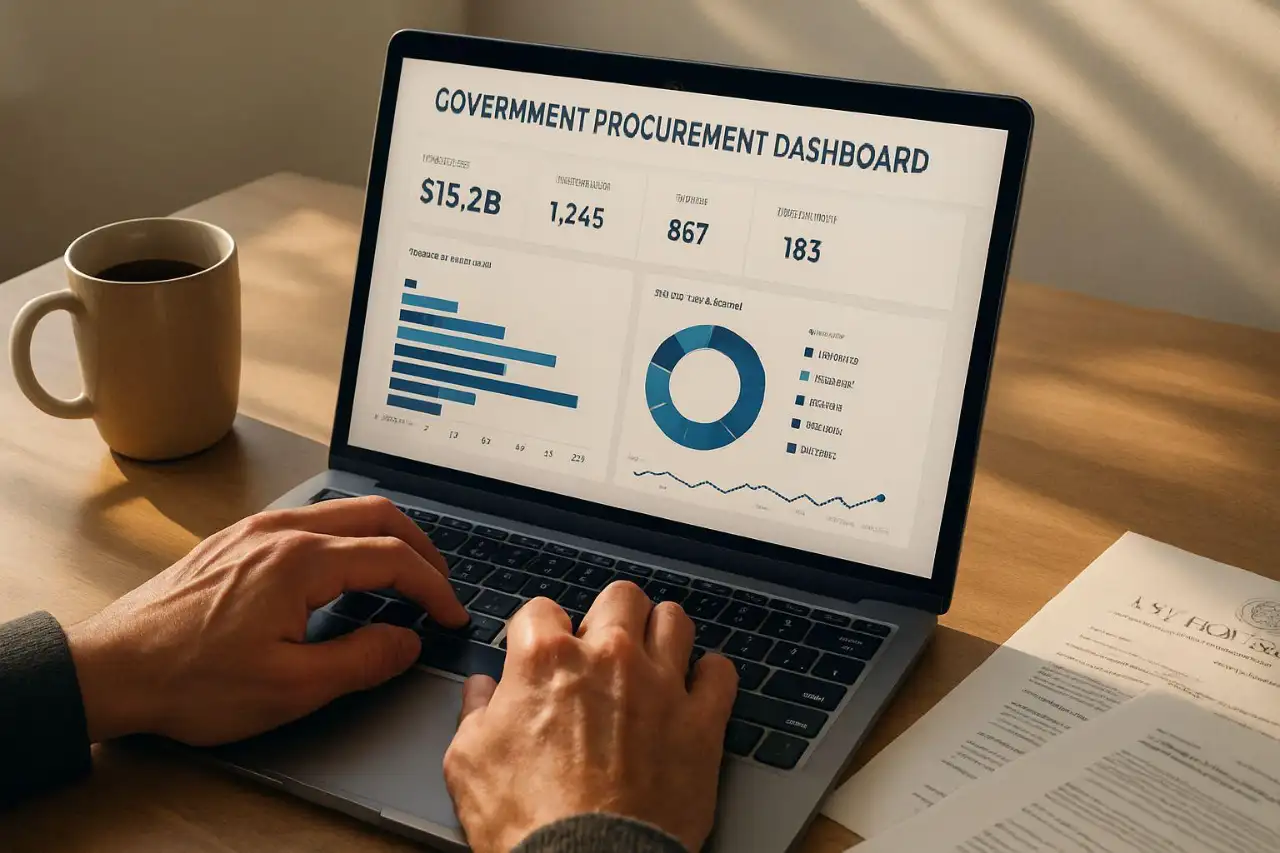
Supporters of this project view it as an example of how open data can enhance transparency. Researchers, journalists, students, and ordinary citizens often rely on publicly available datasets to study trends, track spending patterns, and understand institutional decision-making processes.
Sarthak’s previous work involving the CBSE focused on comparing changes in tenders and identifying modifications in procurement-related documents. He had publicly stated that his findings were based on document comparisons and publicly available information, rather than on any insider information or access.
Subsequently, due to the nature of their work, they had to appear before a parliamentary committee that was reviewing concerns regarding the implementation of the CBSE’s digital evaluation system and questions related to procurement. During those discussions, they presented their analysis of the process along with relevant documentation.
The recently launched procurement portal points in a different direction—moving beyond merely raising questions to creating a tool that facilitates easy public access to information. According to reports, the platform aims to streamline procurement records and make information easily searchable, rather than attempting to overhaul the entire government system.

Technology experts often say that large public datasets become more useful when converted into formats that are easy to search and understand. Projects based on open records can foster accountability and make it easier for ordinary citizens to access institutional information.
Only time will tell how popular this portal becomes, but the ‘Sarthak Siddhant’ project has sparked a conversation about youth-led innovation, civic technology, and the growing importance of public data within India’s digital ecosystem.