Indus Waters treaty Pakistans Warning (image source: "Google Gemini AI Generated Visuals")
Our Daily Dose of Truth and Trends
Indus Waters treaty Pakistans Warning (image source: "Google Gemini AI Generated Visuals")
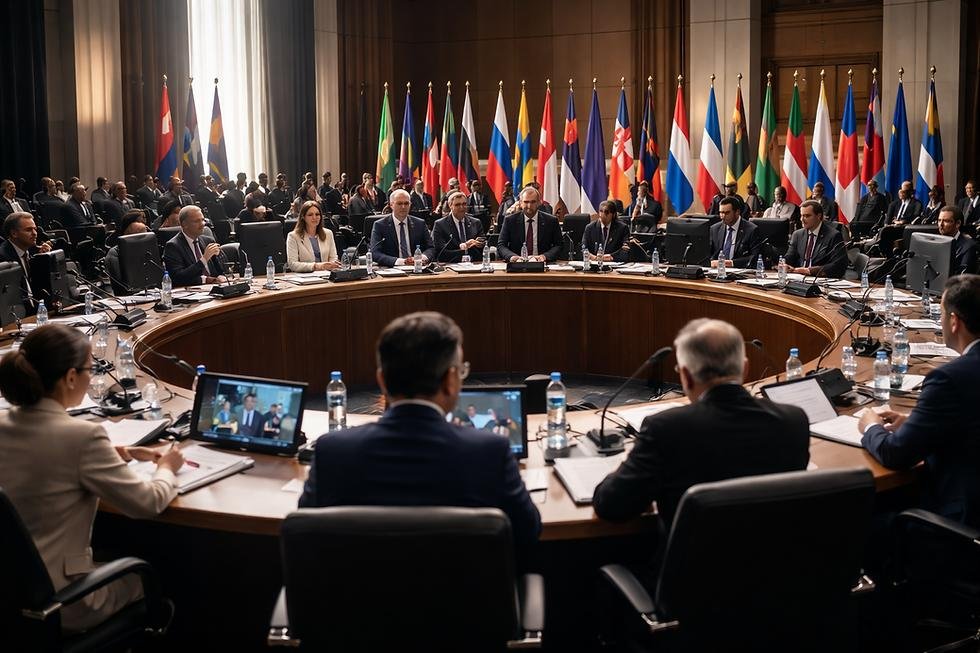
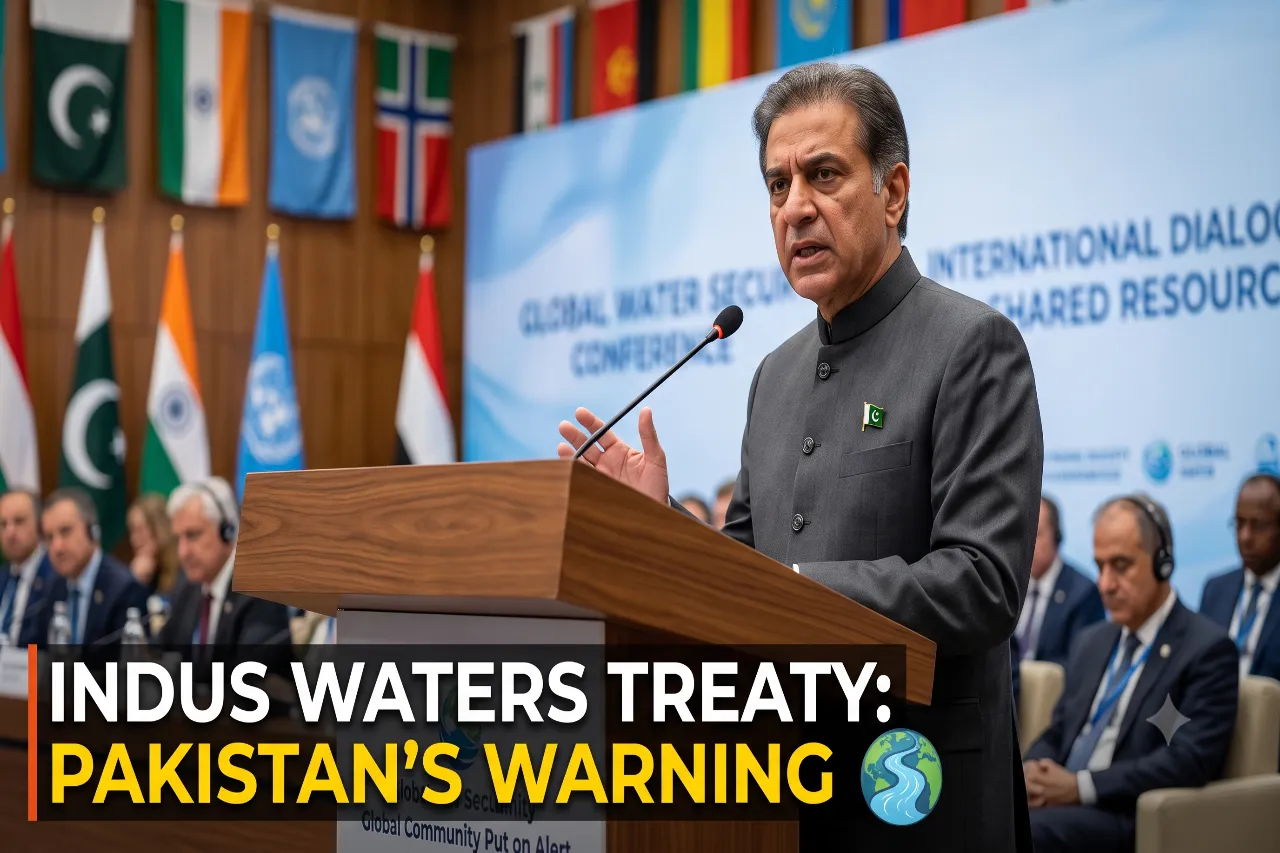
Pakistan has once again drawn international attention to the Indus Waters Treaty (IWT) after hosting a global conference in Islamabad focused on water security, regional peace, and international law. During the event, senior Pakistani leaders argued that the weakening of the treaty could have repercussions extending far beyond South Asia, warning that international agreements lose their credibility if they are not respected.
The conference took place amidst ongoing tensions regarding the treaty, following India’s decision to suspend its participation in the agreement due to security concerns linked to the 2025 Pahalgam terror attack. Pakistan has strongly opposed this move and has been actively pursuing diplomatic and legal avenues in response.
Pakistan’s Deputy Prime Minister and Foreign Minister Ishaq Dar described this agreement as the foundation of regional stability and warned that any attempt to interfere with the established water-sharing arrangement could impact peace and cooperation in the region. Officials have repeatedly emphasized that water should not be used as a political weapon.
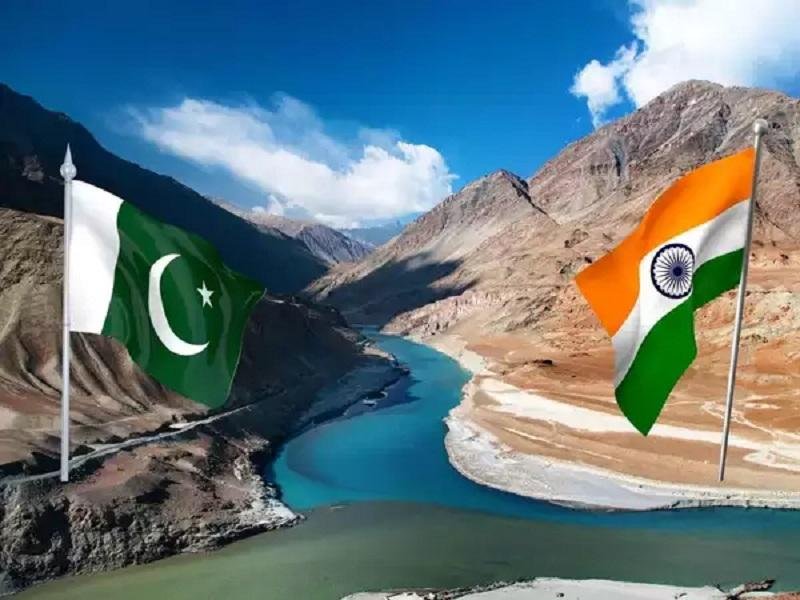
Brokered by the World Bank in 1960, the Indus Waters Treaty remains one of the longest-standing agreements between India and Pakistan, despite numerous wars and political crises. The treaty allocates the waters of the six rivers of the Indus basin between the two nations and is historically regarded as a rare example of enduring cooperation.
Pakistan relies heavily on the waters of the Indus River system for agriculture, grain production, and economic activities. Officials at the conference stated that any disruption to the river water-sharing arrangement could directly impact millions of people and trigger widespread instability in the region.
Speaking at the event, Pakistan’s former Foreign Minister Bilawal Bhutto Zardari remarked that concerns regarding shared waterways should be viewed not merely as a bilateral dispute, but as an international issue. He emphasized the need for a robust global dialogue on what he termed the “weaponization of waterways.”
Conference participants linked water-related issues to broader themes such as climate change, food security, environmental sustainability, and future economic development. Speakers emphasized the need for cooperation rather than conflict regarding shared water systems.
Water disputes are becoming increasingly important worldwide as climate pressures grow. Experts at the conference noted that treaties governing shared rivers may face additional stress in coming decades because of changing weather patterns and rising demand.
India has not publicly responded to several specific remarks made during the conference. However, the treaty is being closely monitored internationally due to its significance for regional stability and the economic needs of both nations.
The conference concluded with Pakistan urging the continuation of dialogue and international engagement, while also emphasizing that upholding established agreements is essential for building trust between the nations. The Indus Waters Treaty—once viewed merely as a technical arrangement for water sharing—is now becoming part of a broader discourse involving diplomacy, security, and the future of shared natural resources.