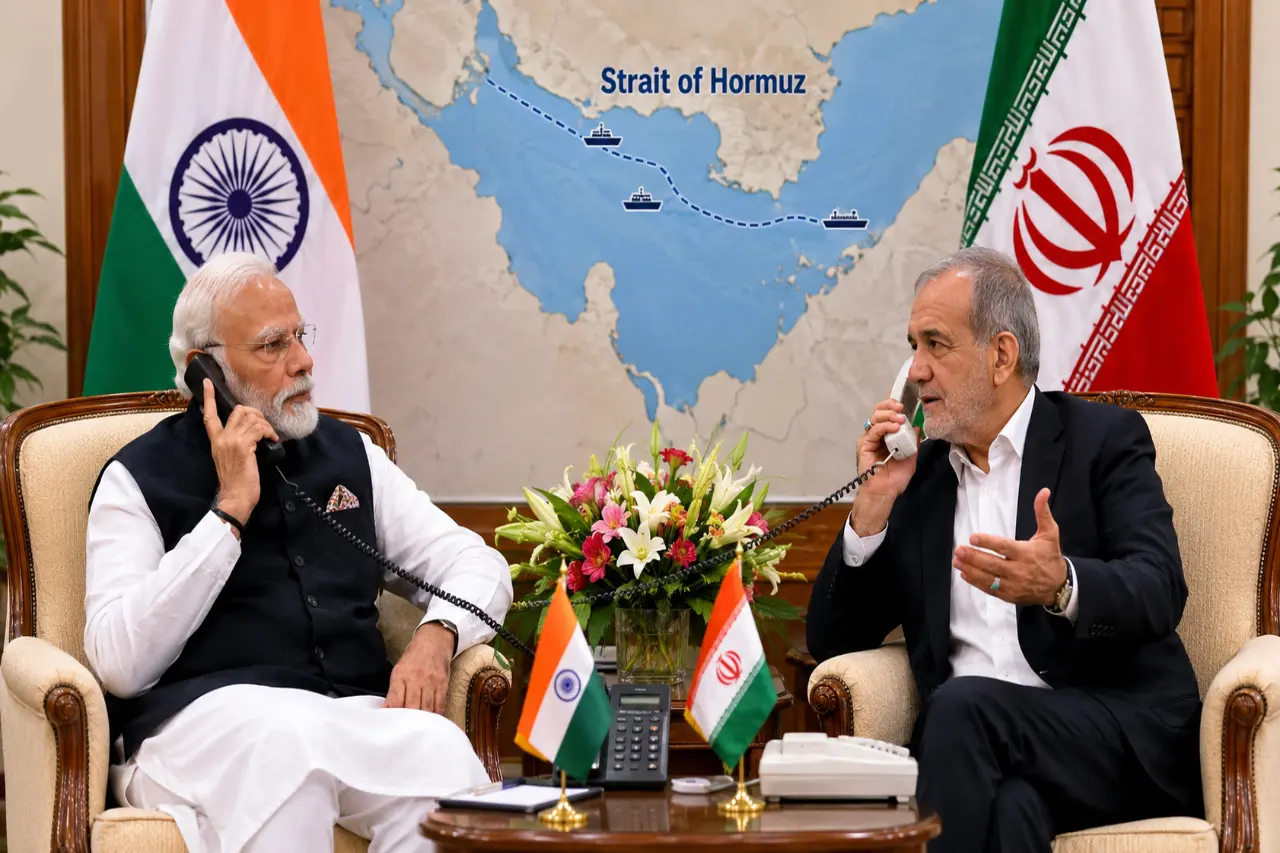
PM Modi Talks to Iranian President, Calls for Peace in Middle East and Free Movement Through Hormuz Strait (image source: "Chat GPT AI Generated Visuals")
Our Daily Dose of Truth and Trends
PM Modi Talks to Iranian President, Calls for Peace in Middle East and Free Movement Through Hormuz Strait (image source: "Chat GPT AI Generated Visuals")
Amidst ongoing tensions in West Asia, Prime Minister Narendra Modi held a significant telephonic conversation with Iranian President Masoud Pezeshkian. During the discussion, PM Modi emphasized the importance of maintaining lasting peace in the region and highlighted the need to ensure uninterrupted movement through the strategically vital Strait of Hormuz—one of the world’s busiest energy shipping routes.
According to official information, President Pezeshkian briefed PM Modi on recent developments in the Middle East and shared Iran’s perspective on the prevailing regional situation. This conversation took place at a time when efforts to de-escalate tensions and discuss a ceasefire in the region are underway.
Prime Minister Modi welcomed the consensus reached during recent diplomatic efforts and reiterated India’s long-standing position that disputes should be resolved through dialogue, diplomacy, and peaceful means, rather than through protracted confrontation.
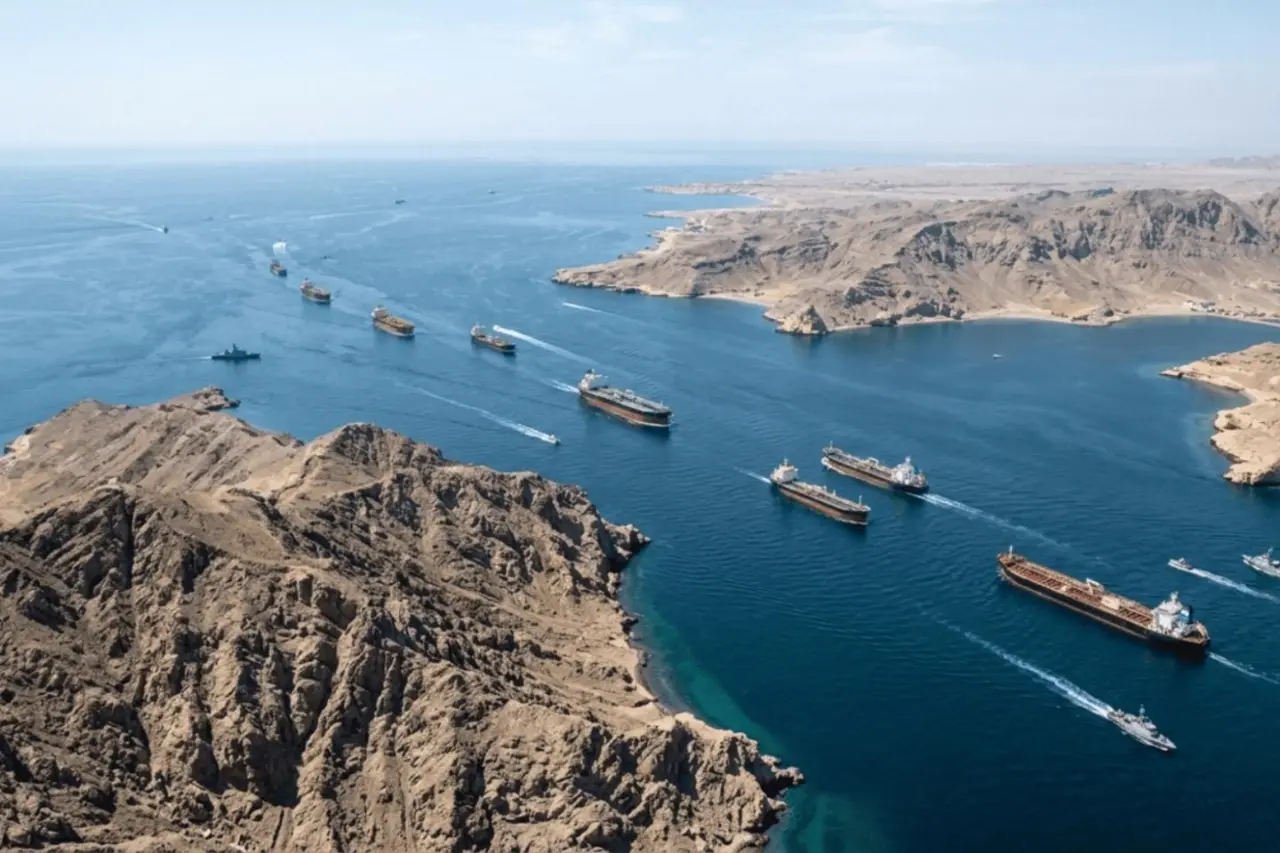
A significant part of the conversation focused on the Strait of Hormuz—a narrow yet critically important waterway connecting the Persian Gulf to global markets. A substantial portion of the world’s oil and energy shipments passes through this route daily, making it vital not only for the countries in the region but also for global economic stability.
Keeping the Strait of Hormuz open is crucial for India—both economically and strategically—as the country sources a significant portion of its energy requirements via maritime routes linked to West Asia. Any disruption here could impact fuel prices, shipping costs, and overall economic activity.
The Prime Minister also emphasized the importance of freedom of navigation and the security of international trade. Officials stated that India supports secure maritime trade routes that facilitate the uninterrupted movement of goods and energy resources.
This move reflects India’s balanced diplomatic approach in the region. New Delhi has maintained dialogue with several West Asian nations and has consistently promoted peaceful solutions and regional stability rather than escalating tensions.
Experts believe that India’s engagement with Iran is significant due to historical ties, energy cooperation, trade interests, and regional connectivity projects. By maintaining dialogue even during periods of uncertainty, India is able to safeguard its strategic and economic priorities.
Recent regional events have drawn global attention to issues such as maritime security, supply chains, and access to energy. India’s message during the discussions underscored that stability in West Asia is not merely a regional concern but also carries global economic implications.
The talks concluded with a mutual agreement to de-escalate tensions and continue diplomatic dialogue. While challenges persist across the region, India’s stance remained clear: advocating for peace, keeping maritime routes open, and promoting dialogue to ensure long-term stability in the Middle East and the wider world.