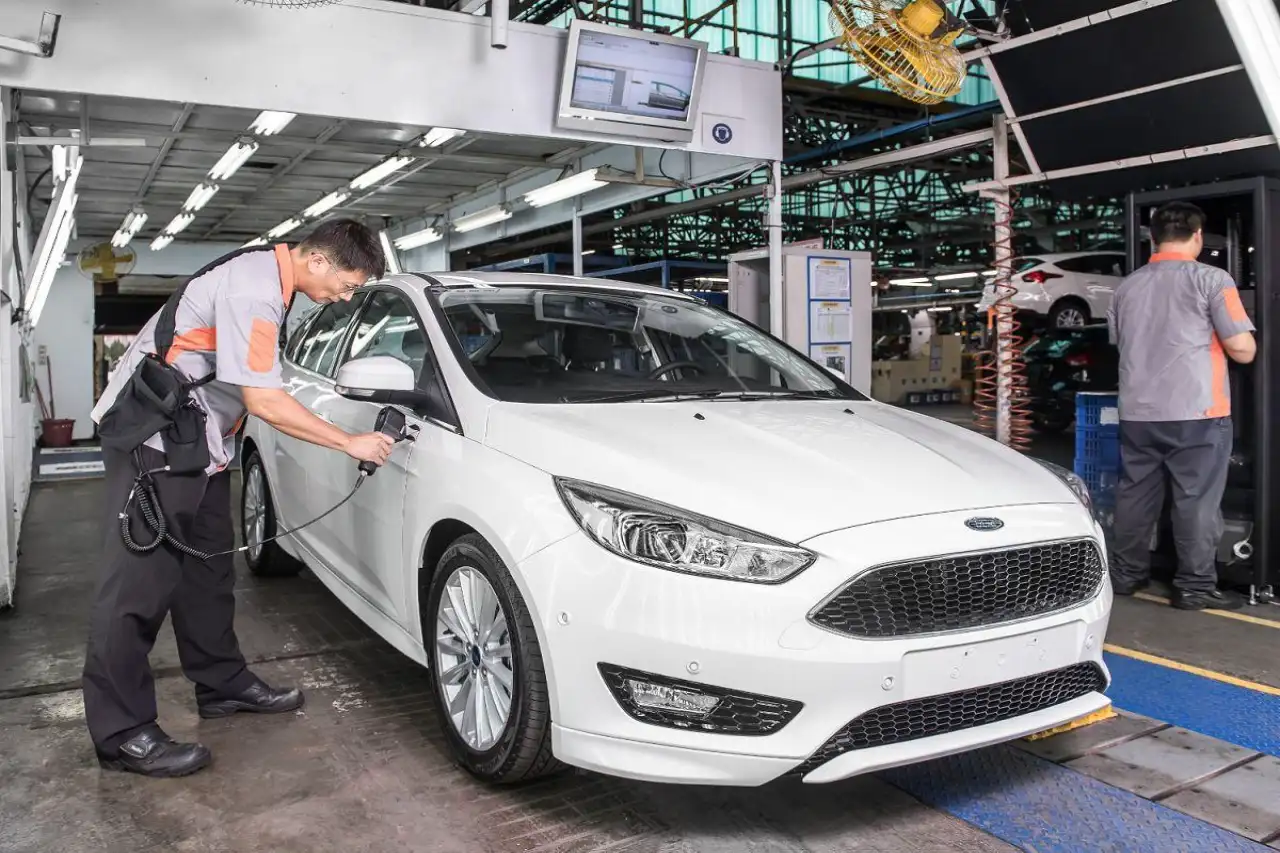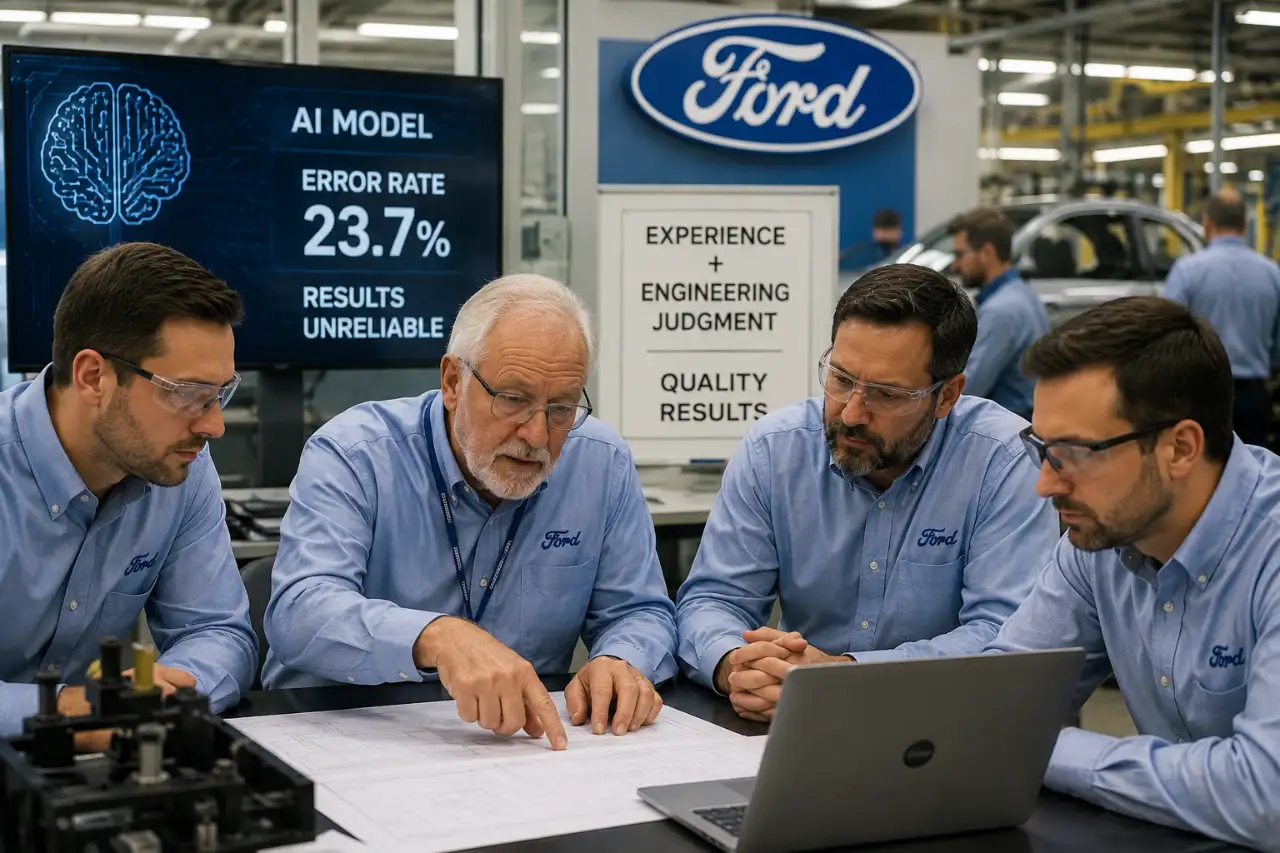
Ford Reportedly Brings Back Experienced Engineers After AI Tools Failed to Deliver Expected Results (image source: "Chat GPT AI Generated Visuals")
Our Daily Dose of Truth and Trends
Ford Reportedly Brings Back Experienced Engineers After AI Tools Failed to Deliver Expected Results (image source: "Chat GPT AI Generated Visuals")
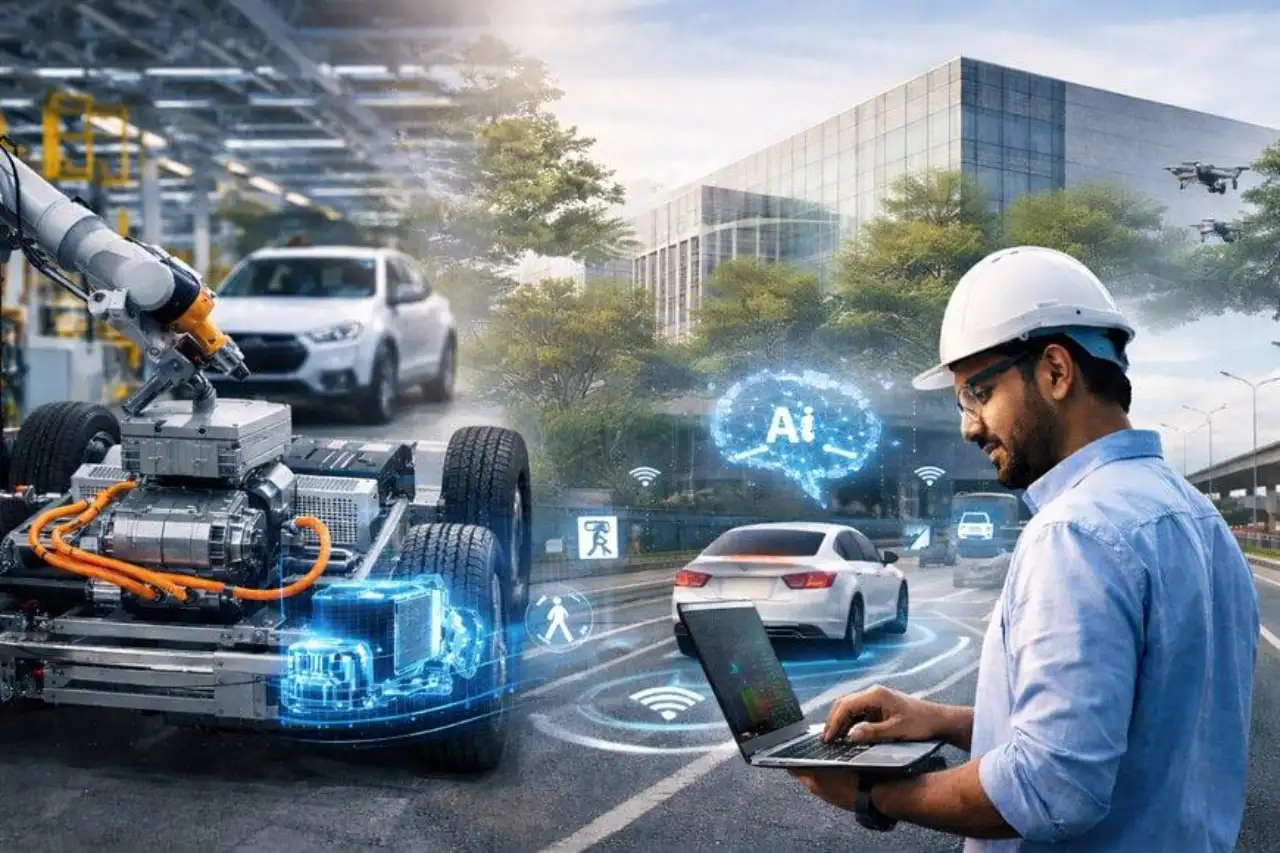
Ford’s recent decision to bring experienced engineers back for key roles has sparked a major discussion in the worlds of technology and manufacturing. After investing heavily in artificial intelligence and automated quality systems, the company concluded that AI alone could not deliver the quality and reliability it had anticipated. Rather than abandoning technology entirely, Ford is now moving towards a model that combines automation with the expertise of seasoned professionals.
According to various reports, Ford has rehired approximately 350 experienced engineers and technical specialists, including former employees and seasoned professionals from the supply chain. Within the company, some of these specialists were known as “grey-beard” engineers due to their decades of practical industry knowledge.
Ford officials noted that while automated systems and AI-based quality tools were functional, they struggled to detect certain complex issues during vehicle development and production. Problems often arose at the intersection of software, hardware, manufacturing, and design decisions—areas where experienced engineers were better at identifying risks early on.
One of the key lessons learned from Ford’s experience was that AI systems rely heavily on the quality of training data and operational guidance. As experienced technicians and engineers left the company over time, some of their specialized knowledge—or institutional knowledge—was not fully transferred to the digital systems. Consequently, the AI tools lacked the necessary context to make certain quality-related decisions effectively.
According to reports, company leaders acknowledged that previous strategies relied too heavily on technology and failed to fully appreciate the importance of human experience. Ford Vice President Charles Poon stated that the company did not pay enough attention to preserving the engineering expertise and practical know-how built up over decades.
The company’s new approach does not involve completely rejecting artificial intelligence. Instead, Ford continues to use AI extensively for software testing, fault detection, and process automation. Reports indicate that Ford now operates large-scale AI-supported validation systems but pairs them with human review before making critical decisions.
This change appears to be producing measurable results. Ford recently achieved the top position among mainstream brands in the JD Power Initial Quality Study, marking a significant improvement compared with previous years. Executives also linked better quality performance with reduced warranty and recall-related costs.
This development has sparked widespread discussions that extend far beyond the automotive industry. Many companies rapidly adopted AI in the hope of boosting productivity, but Ford’s experience demonstrates that completely replacing skilled professionals does not always yield the desired results. Instead, AI works best when combined with human insight and domain expertise.
Automation and engineering researchers also note that human judgment remains essential for maintaining reliable operations across diverse environments and resolving complex operational challenges. While AI can accelerate analysis and testing, the presence of experienced professionals is crucial for interpreting results and making final decisions.
Ford’s strategic shift serves as a significant case study for industries considering the adoption of AI. Rather than choosing between humans and machines, the company’s experience points toward a future where combining both yields the best results—leveraging AI for speed and scale, while relying on experienced engineers for insight, sound judgment, and real-world problem-solving.