China Advances Quantum Technology Through Production of High-Purity Silicon-28 (image source: "Chat GPT AI Generated Visuals")
Our Daily Dose of Truth and Trends
China Advances Quantum Technology Through Production of High-Purity Silicon-28 (image source: "Chat GPT AI Generated Visuals")
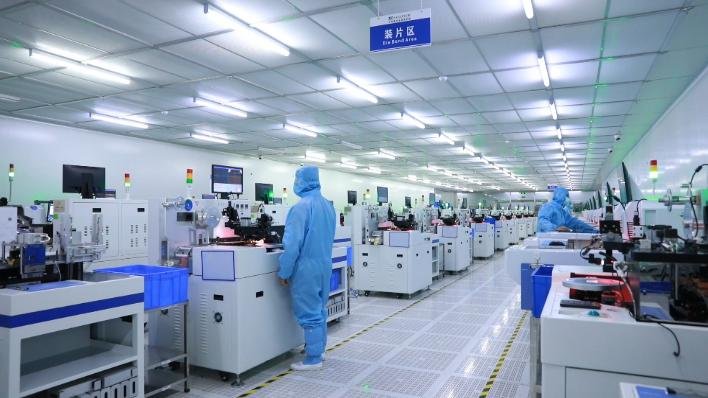
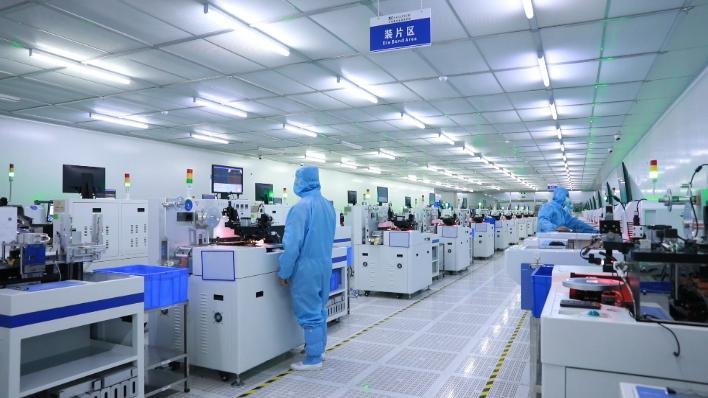
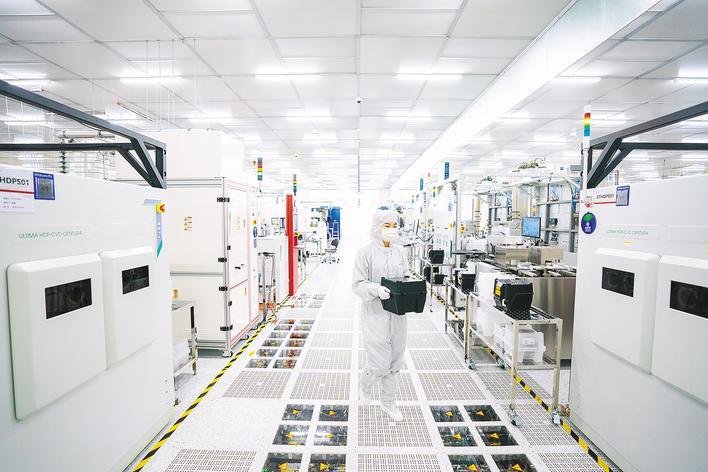
China has taken a major step forward in the field of quantum technology by achieving large-scale, independent production of high-purity Silicon-28. This material is considered crucial for next-generation quantum computing systems. The achievement is being viewed as a significant milestone in the global race to build more powerful and stable quantum computers.
According to reports, this success was achieved through work associated with the China National Nuclear Corporation (CNNC). Researchers successfully produced Silicon-28 with a purity level exceeding 99.99 percent. This marks China’s first large-scale domestic production capability for this isotope.
To understand why this is important, it helps to know how quantum computing works. Traditional computers use bits represented as 0s or 1s, whereas quantum computers use qubits, which can exist in multiple states simultaneously. This enables quantum systems to solve certain types of problems much faster than traditional machines.
One of the biggest challenges in quantum computing is maintaining stability. Quantum systems are highly sensitive to interference from their surrounding environment. Scientists state that Silicon-28 helps reduce this unwanted “noise,” allowing qubits to remain stable for longer periods and improving computing reliability.
Researchers often consider Silicon-28 to be one of the purest forms of silicon due to its physical properties. Unlike naturally occurring silicon mixtures, pure Silicon-28 creates a cleaner environment for silicon-based quantum chips and enables more precise control over quantum states.
Industry experts believe that this achievement could reduce China’s reliance on foreign suppliers. According to reports, production capacity for high-purity Silicon-28 was previously limited to a few international suppliers within supply chains linked to Europe, Russia, and the United States.
Experts state that beyond quantum computing, this technology can also drive progress in several other sectors. High-purity stable isotopes are valuable in advanced semiconductor manufacturing, precision navigation systems, metrology, and scientific research.
Scientists associated with the project noted that this production capability could pave the way for creating scalable silicon-based quantum processors. Transitioning from laboratory experiments to large-scale manufacturing is often considered one of the most challenging stages in developing new technology.
Reports indicate that the research institute behind this development has moved beyond silicon and has also developed production technologies for various stable isotopes of different elements. These materials could eventually contribute to fields such as nuclear medicine, aerospace, quantum information, and deep-space exploration.
As nations invest heavily in artificial intelligence, advanced chips, and quantum systems, developments like the production of high-purity silicon-28 highlight the growing importance of controlling critical materials. Although large-scale practical quantum computing remains a long-term goal, such significant achievements represent meaningful progress toward that future.