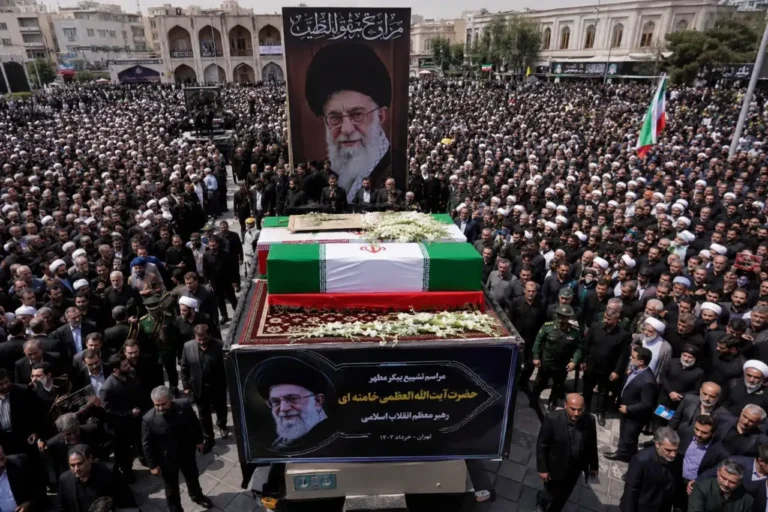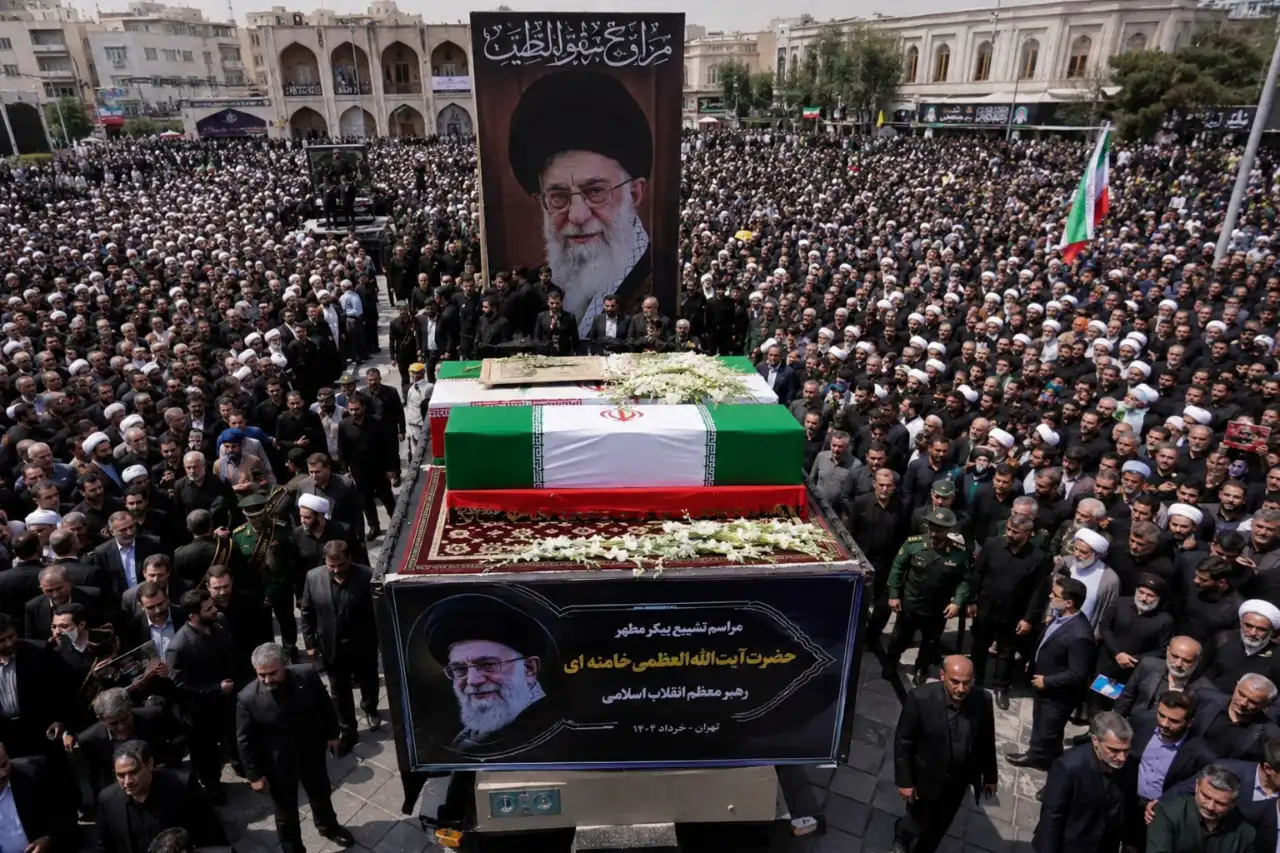
Funeral Ceremony of Ayatollah Ali Khamenei (image source: "Chat GPT AI Generated Visuals")
Our Daily Dose of Truth and Trends
Funeral Ceremony of Ayatollah Ali Khamenei (image source: "Chat GPT AI Generated Visuals")
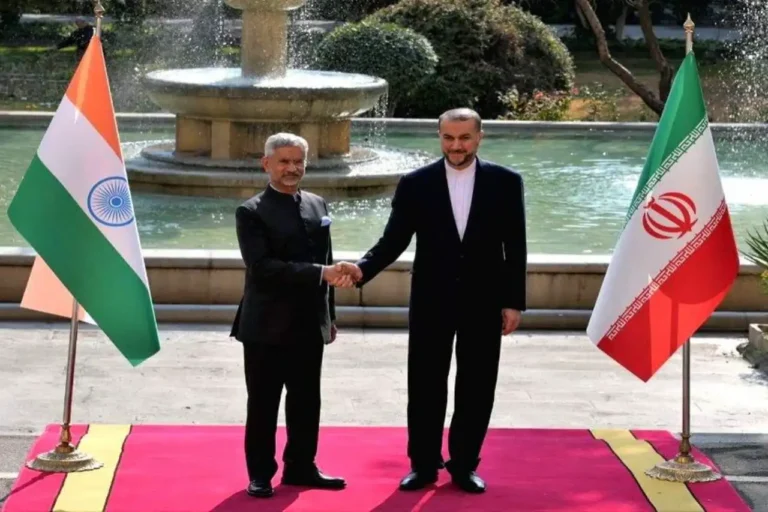
A new diplomatic development has drawn international attention. According to reports, Iran has invited Indian Prime Minister Narendra Modi to attend the funeral and burial rites of its late Supreme Leader, Ayatollah Ali Khamenei. This invitation is being viewed as a significant step in the context of India-Iran relations and regional diplomacy.
Citing diplomatic sources, various reports indicate that Iranian President Masoud Pezeshkian extended this formal invitation through official channels. However, as of the time of writing, India had not announced whether the Prime Minister himself would attend the ceremonies or if a different senior representative would go instead.
According to reports, the funeral proceedings will span several days across various cities in Iran. Sources indicate that these events will commence in early July and conclude with the final burial later that same week.
Ayatollah Ali Khamenei served as Iran’s Supreme Leader for decades, remaining the country’s highest political and religious authority. News of his passing marked a significant event in Iran’s modern political history, prompting preparations for a period of national mourning.
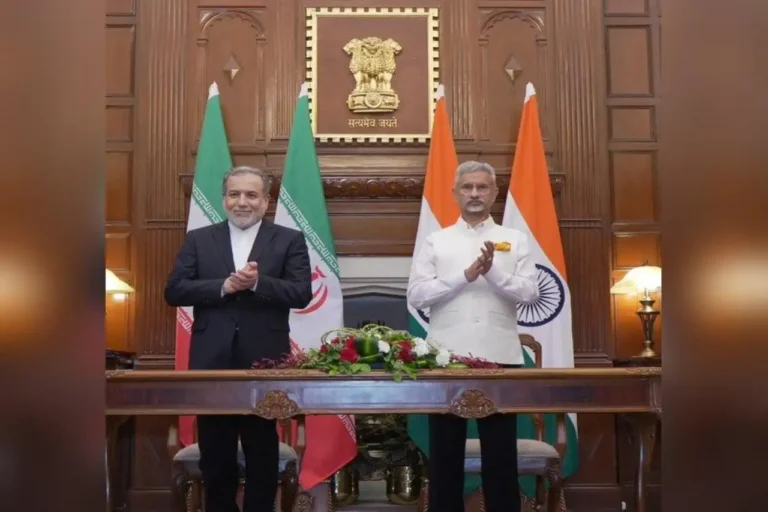
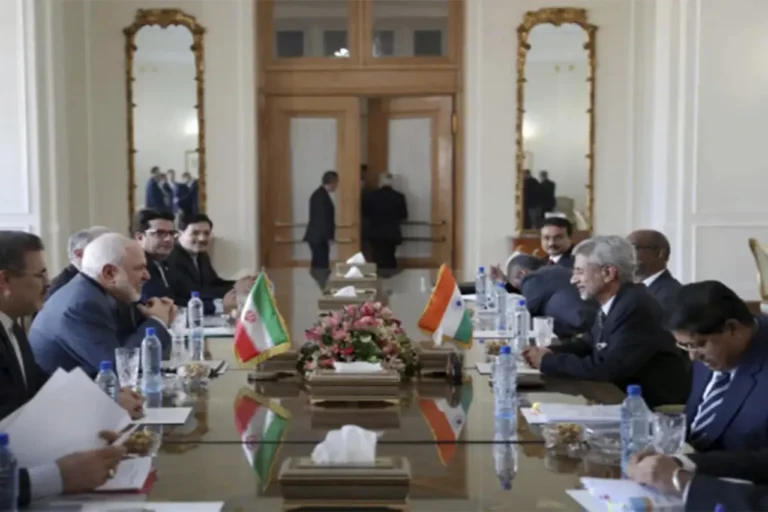
India and Iran have historically maintained diplomatic ties in areas such as trade, regional connectivity, energy cooperation, and strategic dialogue. Against this backdrop, observers of diplomatic affairs often pay close attention to invitations extended for major government events.
Experts believe that the decision to participate in such high-level events often reflects broader diplomatic considerations rather than mere formality. Governments sometimes decide to send heads of government, ministers, ambassadors, or other official delegations based on the timing of the event and the prevailing international situation.
According to reports, several foreign delegations are expected to attend these ceremonies, making the event one of the most significant diplomatic gatherings involving the region in recent months.
As of now, there has been no official confirmation from New Delhi regarding the level of India’s participation. Such diplomatic decisions are typically finalized only after internal deliberations and an assessment of factors related to the event’s schedule, protocol, and foreign policy.
This sequence of events has reignited the discussion regarding India’s balancing approach in international relations, particularly in areas where multiple strategic interests intersect. Experts note that India has consistently maintained ties with a diverse range of international partners while upholding its independent diplomatic stance.
Currently, all eyes are on whether Prime Minister Modi will participate personally or if a senior government representative will be sent. It is expected that an official announcement in the coming days will clarify India’s position.
Amidst the preparations underway in Iran, the emergence of this invitation demonstrates that even formal events can hold diplomatic significance, reflecting ongoing dialogue and government-level engagement between nations.