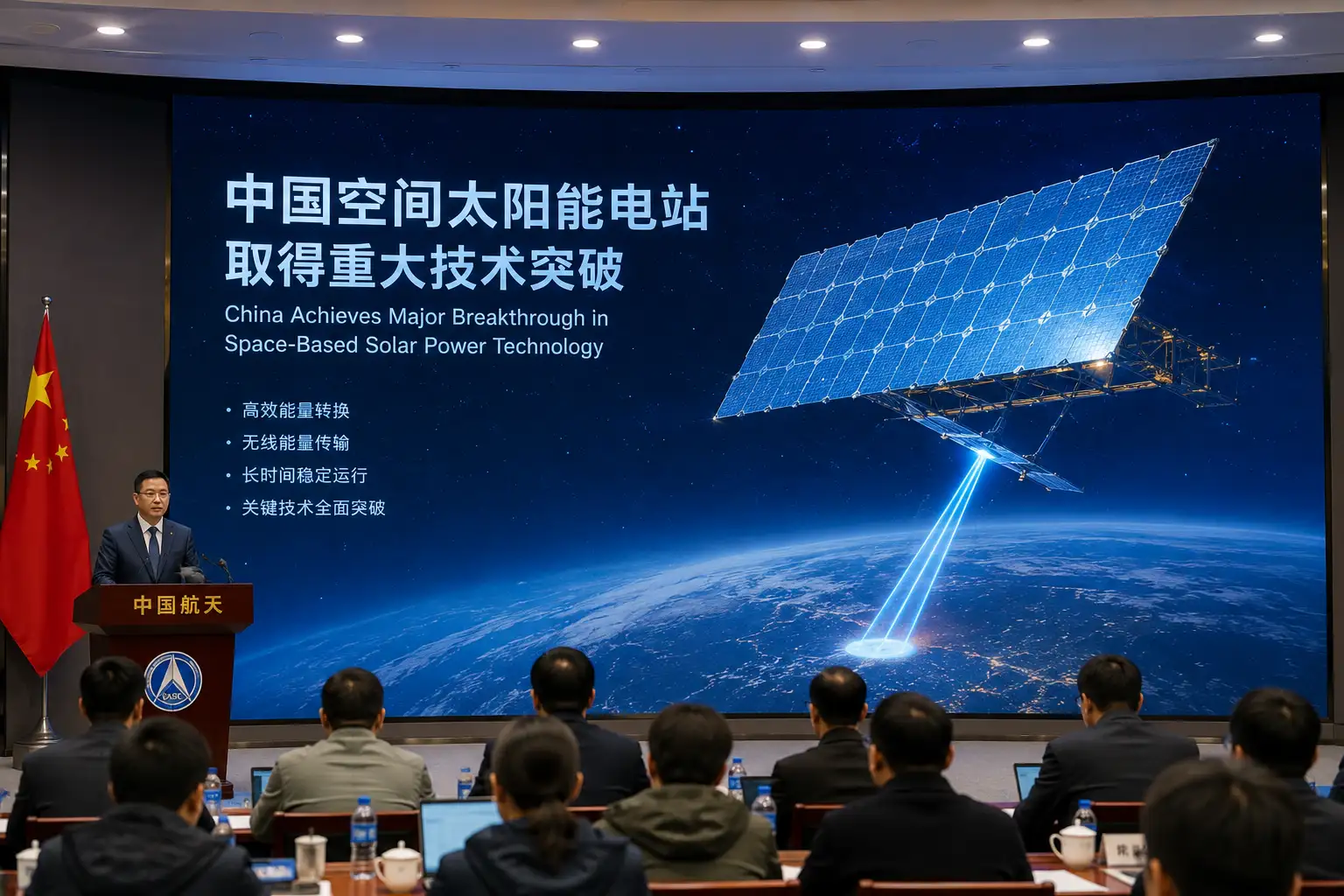
China Celebrates Major Breakthrough in Space-Based Solar Power Technology (image source: Chat GPT "AI Visuals")
Our Daily Dose of Truth and Trends
China Celebrates Major Breakthrough in Space-Based Solar Power Technology (image source: Chat GPT "AI Visuals")
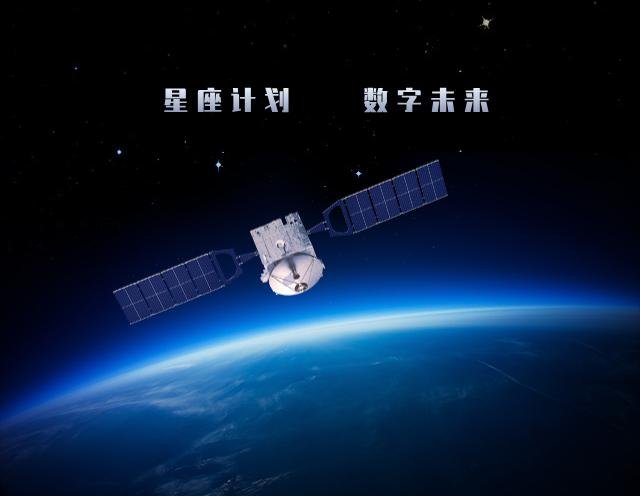
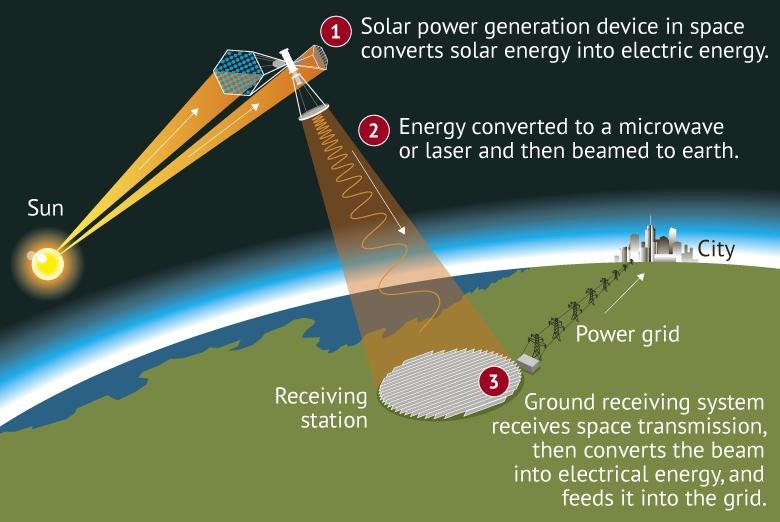
China has announced a major breakthrough in space-based solar power technology. This is an achievement that could significantly transform the future of clean energy and wireless power transmission. Chinese researchers have recently completed successful tests involving the wireless transmission of power to multiple moving targets simultaneously. Consequently, the long-discussed dream of establishing solar power stations in space has now moved closer to becoming a reality.
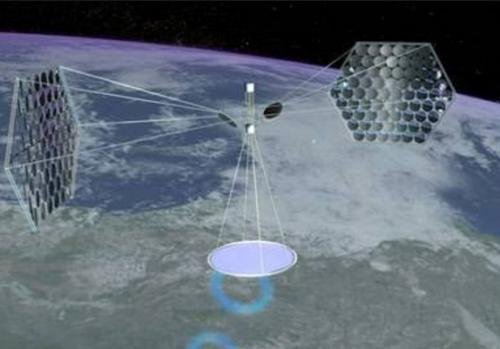
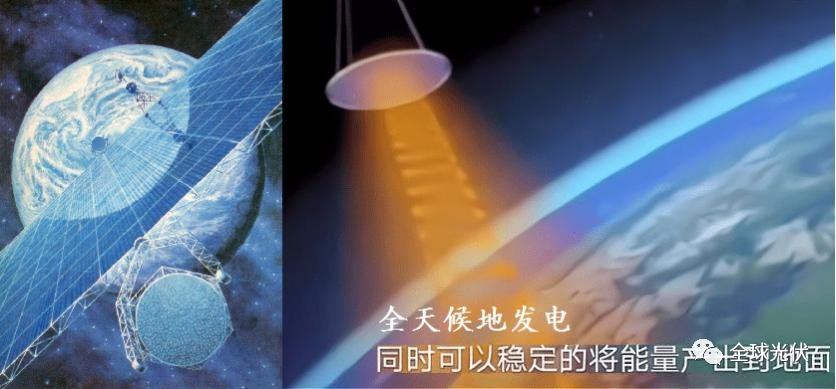
According to reports, this project was developed by researchers at Xidian University, led by Senior Engineer Duan Baoyan. The system reportedly utilizes microwave beam transmission technology, which is capable of wirelessly transmitting energy over long distances with high precision. Scientists believe that this technology could, in the future, enable the direct transmission of solar energy collected in space back to Earth.
Recent tests have demonstrated that this system can transmit over 1,180 watts of power across a distance exceeding 100 meters, while simultaneously tracking multiple moving targets. During this experiment, researchers also successfully wirelessly powered a moving drone—a significant step toward the practical application of wireless energy systems.
The primary advantage of space-based solar power stations is their ability to continuously harvest solar energy, unhindered by weather conditions, cloud cover, or the darkness of night. Solar radiation in space is significantly more intense than on Earth, meaning that orbital solar stations could prove far more efficient than traditional ground-based solar farms.
Chinese scientists have likened this futuristic concept to a massive “wireless charging station” positioned in Earth’s orbit. Theoretically, such stations could provide power to satellites, drones, lunar bases, and even future space missions, without the need for heavy onboard fuel systems or conventional solar panels.
This project is also part of China’s broader ambitions to solidify its position in the fields of global space technology and renewable energy development. Over the past few years, China has invested heavily in advanced aerospace projects, artificial intelligence (AI), quantum computing, reusable rockets, and next-generation energy systems.
Reports indicate that China has already constructed a large-scale “ground verification” facility. This facility features a 75-meter-tall tower, designed to simulate and test the entire energy transmission process before attempting deployment in orbit. Scientists state that these ground-based experiments are crucial for ensuring stability, precision, and efficiency in real-world space missions.
Experts believe that space-based solar power could play a pivotal role in resolving global energy challenges in the future. If successfully commercialized, this technology could provide a continuous supply of clean energy while simultaneously reducing our reliance on fossil fuels and traditional power infrastructure.
However, several technical hurdles remain before it can be fully implemented on a large scale. Maintaining the efficient transmission of microwaves over vast distances, ensuring safety, minimizing energy loss, and developing cost-effective launch systems are some of the key obstacles that scientists must overcome.
China is not the only country conducting research on space-based solar power; however, the progress it has made in this field in recent times has captured the attention of the entire world. Space agencies and research organizations in the United States, Japan, and Europe have also been working on similar technologies for decades; nevertheless, their practical implementation on a large scale remains an extremely difficult undertaking.
Experts believe that this latest achievement by China underscores the country’s growing reliance on cutting-edge scientific research and long-term technological planning. This project also highlights Beijing’s increasing focus on integrating renewable energy objectives with space exploration and strategic innovation.
If such successful developments continue in the future, space-based solar power could emerge as one of the most revolutionary energy technologies of the 21st century. Although its practical and commercial application may still be several years away, this recent Chinese achievement demonstrates that this concept is gradually transitioning from the realm of science fiction into scientific reality.