Defence Ministry approves proposals, including Dornier-228 and FRCVs, worth Rs 1.45 lakh crore (image source: "Chat GPT AI Generated Visuals")
Our Daily Dose of Truth and Trends
Defence Ministry approves proposals, including Dornier-228 and FRCVs, worth Rs 1.45 lakh crore (image source: "Chat GPT AI Generated Visuals")
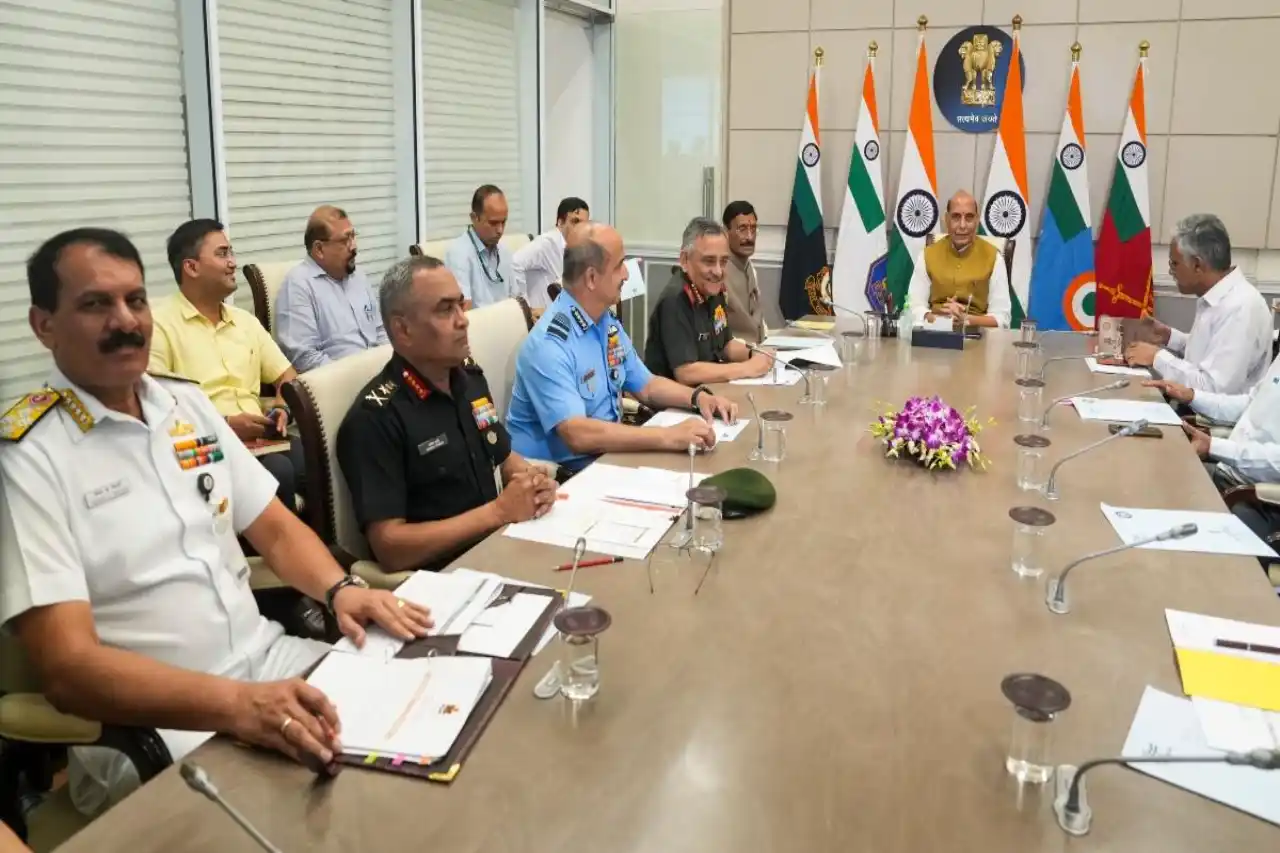
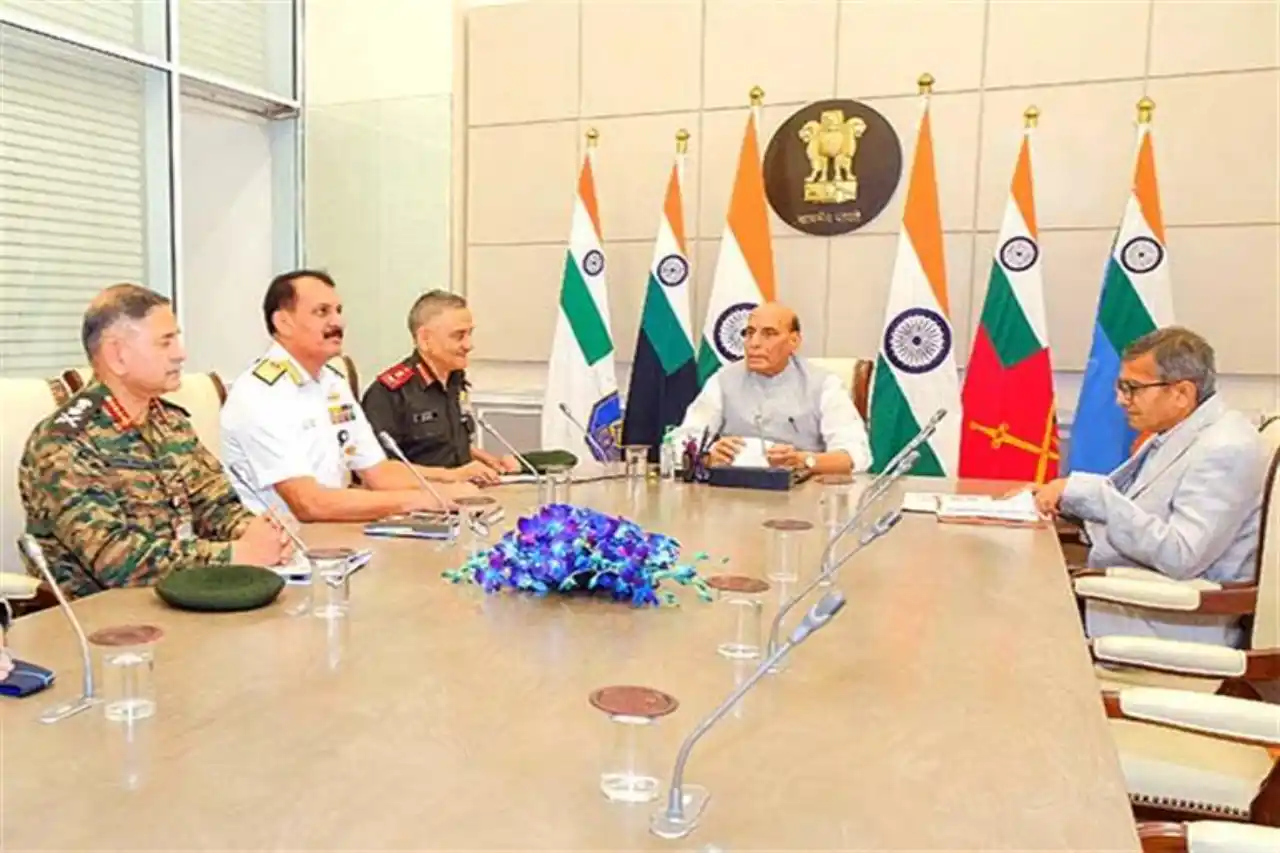
A meeting of the Defence Acquisition Council (DAC), chaired by Defence Minister Rajnath Singh, is scheduled for July 3, and is expected to provide a significant boost to India’s defence modernization drive. Reports indicate that the Council may consider several key proposals aimed at strengthening the operational capabilities of the Indian Armed Forces. Major acquisitions expected to be discussed include HAMMER precision-guided missiles, Verba Very Short-Range Air Defence Systems (VSHORADS), and Man-Portable Anti-Tank Guided Missiles (MP-ATGM) for the Indian Army.
The Defence Acquisition Council is the apex decision-making body within the Ministry of Defence responsible for approving major military equipment purchases (capital procurement). The process for every major defence acquisition begins with DAC approval, subsequently proceeding through the procurement and production stages. The upcoming meeting is expected to focus on enhancing India’s preparedness against emerging security challenges along its borders.
According to reports, one of the key proposals under consideration involves the acquisition of additional HAMMER (Highly Agile Modular Munition Extended Range) missiles. These French-made precision-guided weapons are already integrated into the Indian Air Force’s Rafale fighter jets and have proven their effectiveness in accurately targeting critical objectives under challenging operational conditions. This additional procurement will further enhance the Air Force’s precision strike capabilities.
The Council is also expected to review proposals regarding the ‘Verba’ air defense missile system. ‘Verba’ is a shoulder-fired ‘Very Short-Range Air Defense System’ (VSHORADS) capable of intercepting low-altitude aircraft, helicopters, drones, and cruise missiles. Given the rising threat posed by unmanned aerial hazards in modern warfare, strengthening India’s VSHORADS inventory has become crucial.
Another significant proposal relates to the procurement of ‘Man-Portable Anti-Tank Guided Missiles’ (MP-ATGM). These advanced indigenous anti-tank weapons are designed to target enemy heavy armored vehicles and battle tanks with high precision. Defense experts believe that bolstering the Army’s anti-tank missile arsenal will significantly enhance operational effectiveness on the battlefield, particularly in mountainous and border regions.
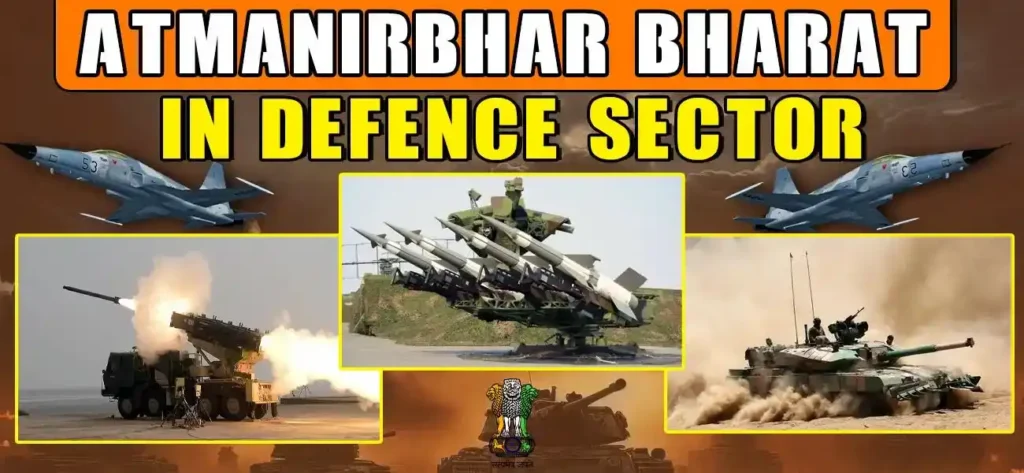
Reports indicate that the Ministry of Defence is consistently emphasizing indigenous defense production under the “Atmanirbhar Bharat” (Self-Reliant India) initiative. Many of the systems under consideration involve either domestic manufacturing or technology transfer arrangements, thereby helping to strengthen India’s long-term defense industrial base.
These proposed acquisitions are also expected to enhance interoperability among India’s armed forces and reduce reliance on emergency imports during times of conflict. Over the past few years, India has accelerated the modernization of the Army, Navy, and Air Force by investing in modern surveillance systems, missiles, drones, electronic warfare equipment, and next-generation combat platforms.
Security experts state that recent geopolitical events and rapidly evolving warfare technologies have highlighted the need for continuous capability upgrades. Precision-guided weapons, portable air defense systems, and modern anti-tank missiles have become essential components of contemporary military operations, particularly as drone warfare and precision strikes become increasingly common.
If approved, these proposals will proceed under India’s established defense procurement procedures. Stages following the DAC’s approval will determine manufacturing timelines, vendor selection, participation in indigenous production, and delivery schedules.
The meeting scheduled for July 3 will play a pivotal role in shaping India’s future defense preparedness. Although official announcements will be made only after the council concludes its deliberations, the proposed plans reflect India’s steadfast commitment—aligned with the government’s long-term strategic vision—to modernizing the armed forces, strengthening border security, and enhancing indigenous defense manufacturing capabilities.