PM Modi Inaugurates Maruti Suzuki’s New Manufacturing Plant (image source: "Chat GPT AI Generated Visuals")
Our Daily Dose of Truth and Trends
PM Modi Inaugurates Maruti Suzuki’s New Manufacturing Plant (image source: "Chat GPT AI Generated Visuals")
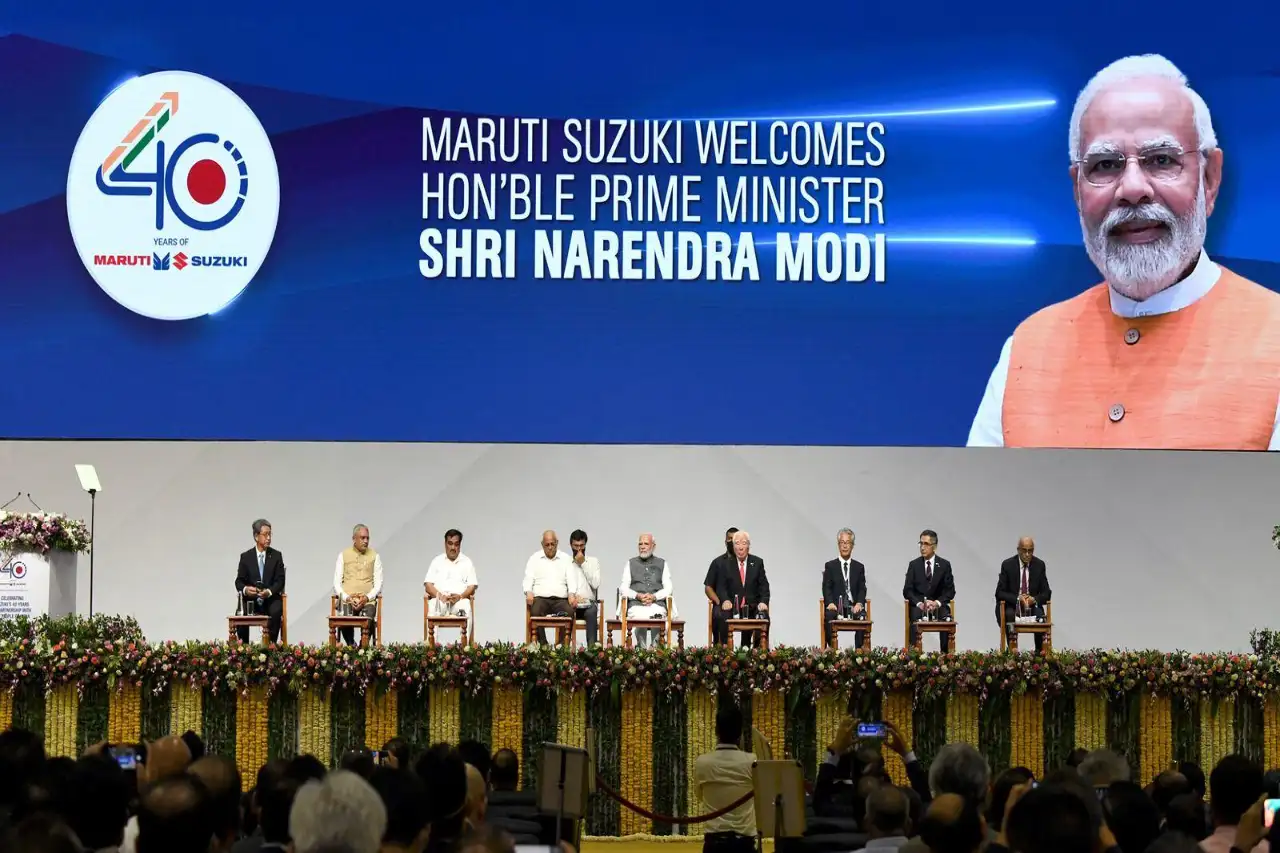
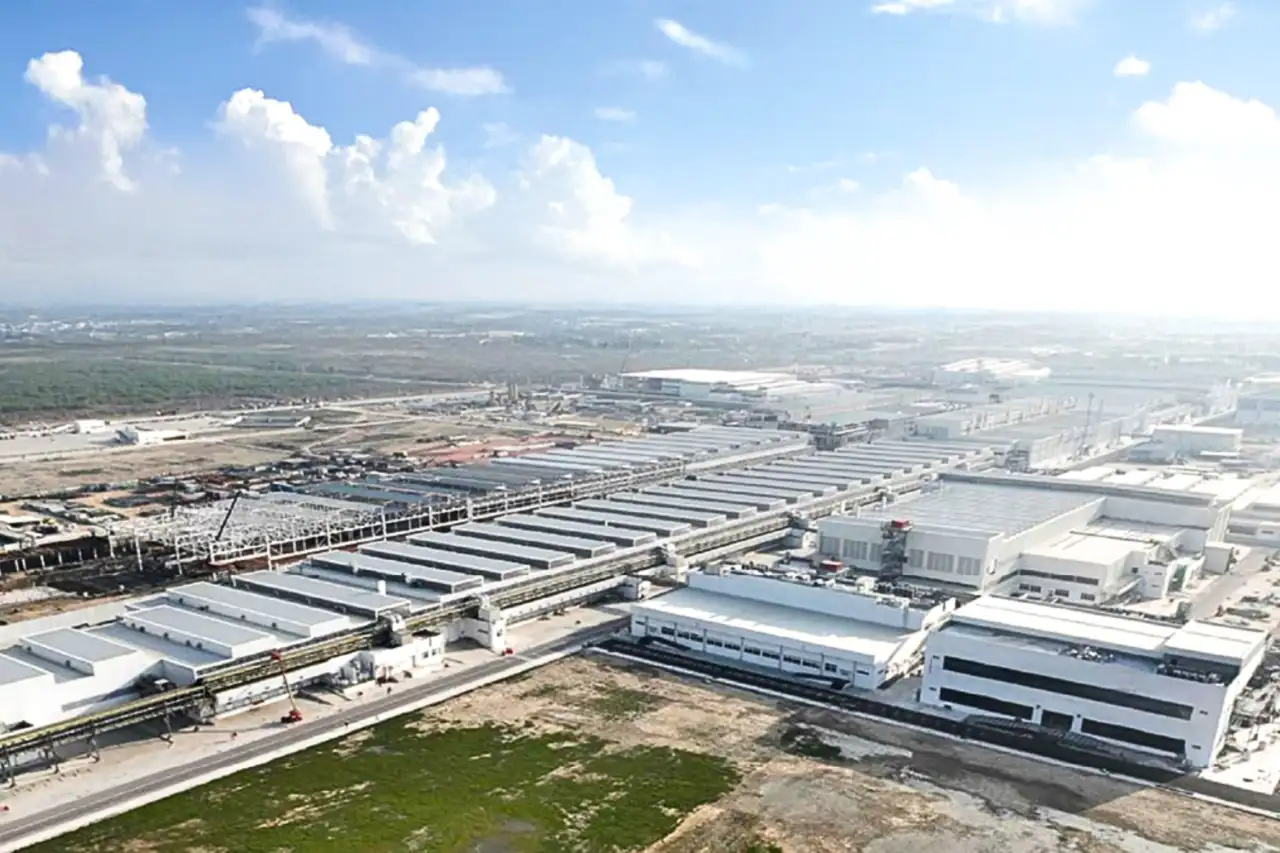
Prime Minister Narendra Modi inaugurated Maruti Suzuki India’s new automobile manufacturing unit in Kharkhoda, Haryana. This marks one of the country’s largest industrial investments in the automotive sector. The state-of-the-art plant is expected to play a pivotal role in boosting India’s automobile production capacity and generating large-scale employment opportunities. According to official announcements, the unit is designed to achieve an annual production capacity of up to 1 million (10 lakh) vehicles once all production phases are operational. The project is also projected to create over 21,000 direct and indirect jobs, providing a significant boost to manufacturing and local economic growth. (Aaj Tak)
During the inauguration ceremony, Prime Minister Modi described the new unit as another significant milestone in India’s journey toward becoming a global manufacturing hub. He emphasized that India’s automobile sector has witnessed tremendous growth over the past decade and continues to attract substantial domestic and foreign investment. The Prime Minister stated that modern manufacturing plants like the one in Kharkhoda strengthen the government’s “Make in India” vision while also fostering exports and technological advancement.
Senior officials from Maruti Suzuki, representatives from Suzuki Motor Corporation, government officials, and industry leaders attended the event. Japanese dignitaries present at the ceremony emphasized the long-standing partnership between India and Japan in the automobile sector. They expressed confidence that the new plant would further deepen economic cooperation between the two nations and strengthen India’s position in global automobile manufacturing.
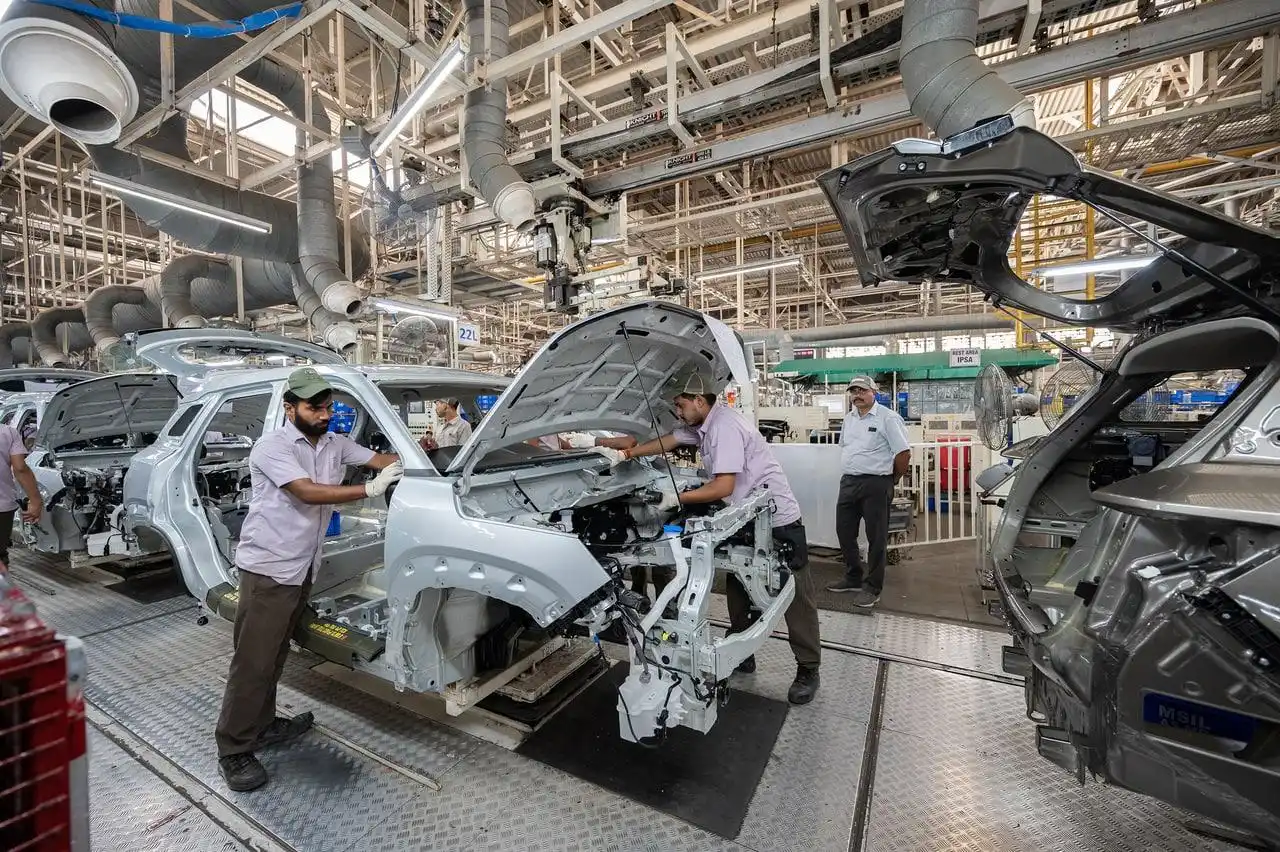
The Kharkhoda facility has been built using advanced manufacturing technology, automation systems, and eco-friendly production methods. According to the company, the plant is designed to boost production capacity while simultaneously reducing energy consumption and carbon emissions. The integration of automation, robotics, and digital manufacturing systems will enable faster vehicle production while maintaining high quality standards.
Maruti Suzuki stated that the first phase of the plant is already operational, with additional phases set to commence in the coming years. Once fully completed, this facility will become one of the company’s largest manufacturing centers in India. This expansion comes at a time when the demand for passenger vehicles is steadily rising in both domestic and export markets.
Industry experts believe that this investment will significantly strengthen India’s automotive supply chain. The new manufacturing ecosystem emerging around Kharkhoda is expected to benefit thousands of component manufacturers, logistics firms, and ancillary industries. This could further spur investment by auto component manufacturers in Haryana and neighboring states.
The automobile sector is one of India’s largest employers and contributes significantly to the country’s manufacturing output. Government initiatives promoting electric mobility, advanced manufacturing, and infrastructure development have encouraged companies to expand production capacity within India rather than relying on imports.
Prime Minister Modi emphasized that India’s manufacturing ambitions are deeply linked to job creation. He noted that large-scale industrial investments not only generate factory jobs but also create new opportunities in transportation, logistics, services, engineering, and small businesses. The Kharkhoda project is expected to generate approximately 21,000 employment opportunities, benefiting thousands of families in Haryana.
Maruti Suzuki has maintained its leadership position in India’s passenger vehicle market for decades. The company is expanding its production capacity to meet rising consumer demand, boost export capabilities, and introduce new-generation vehicles equipped with advanced safety and emission technologies. The Kharkhoda plant will play a pivotal role in achieving these long-term goals.
This inauguration also highlights India’s growing appeal as a global manufacturing destination. Stable policies, improving infrastructure, a skilled workforce, and rising domestic demand are encouraging multinational companies to establish large production plants across the country. With the commencement of the Kharkhoda plant, India has taken another step toward strengthening its position among the world’s leading automobile manufacturing nations, while simultaneously creating thousands of new jobs and fostering long-term economic growth.