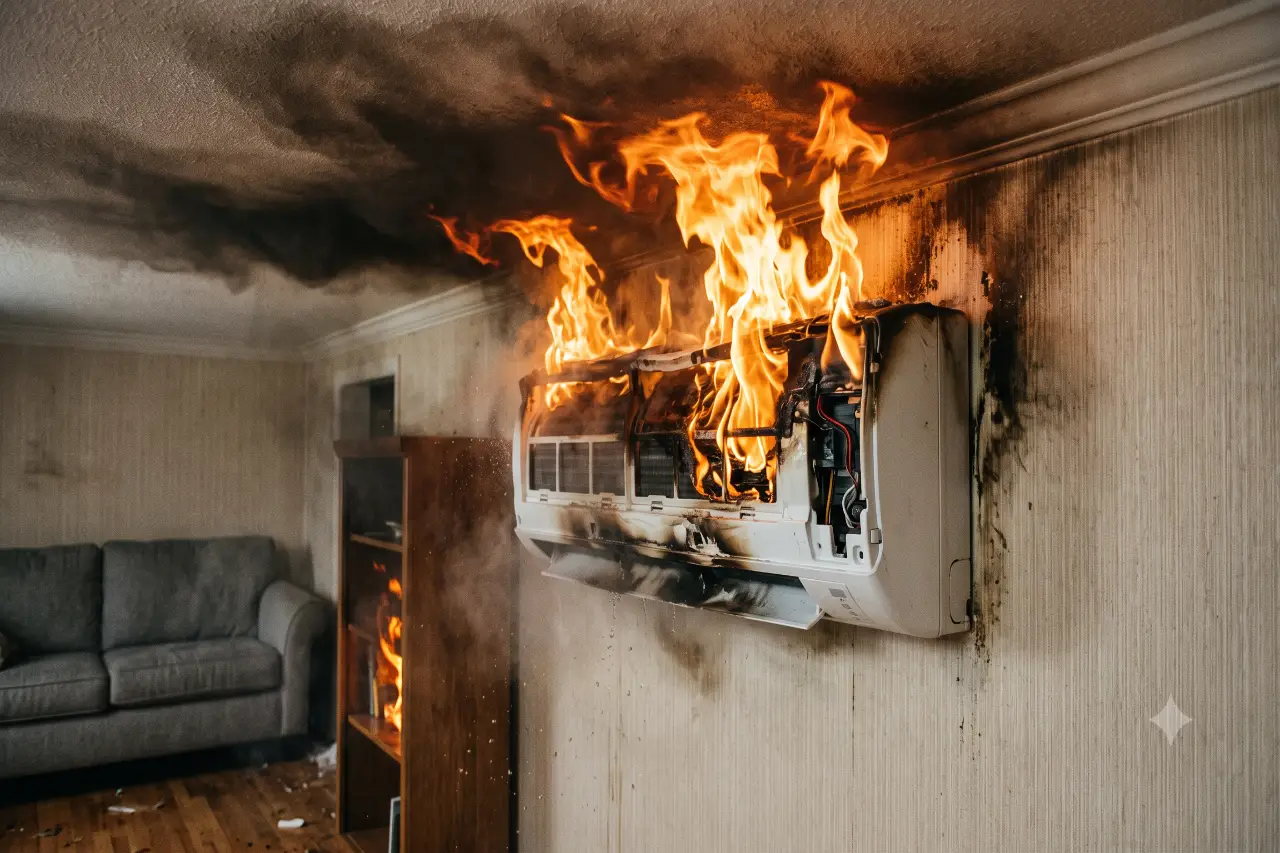
Rising AC Explosions in Delhi-NCR (image source: "Google Gemini AI Generated Visuals")
Our Daily Dose of Truth and Trends
Rising AC Explosions in Delhi-NCR (image source: "Google Gemini AI Generated Visuals")
As temperatures rise across Delhi-NCR, air conditioners have evolved from a luxury into a necessity. However, the continuous use of ACs has been accompanied by an increase in incidents of fires and sudden breakdowns, raising concerns among the public and fire safety experts alike. Officials and experts state that extreme heat, prolonged usage, and poor maintenance are placing immense strain on air conditioning systems.
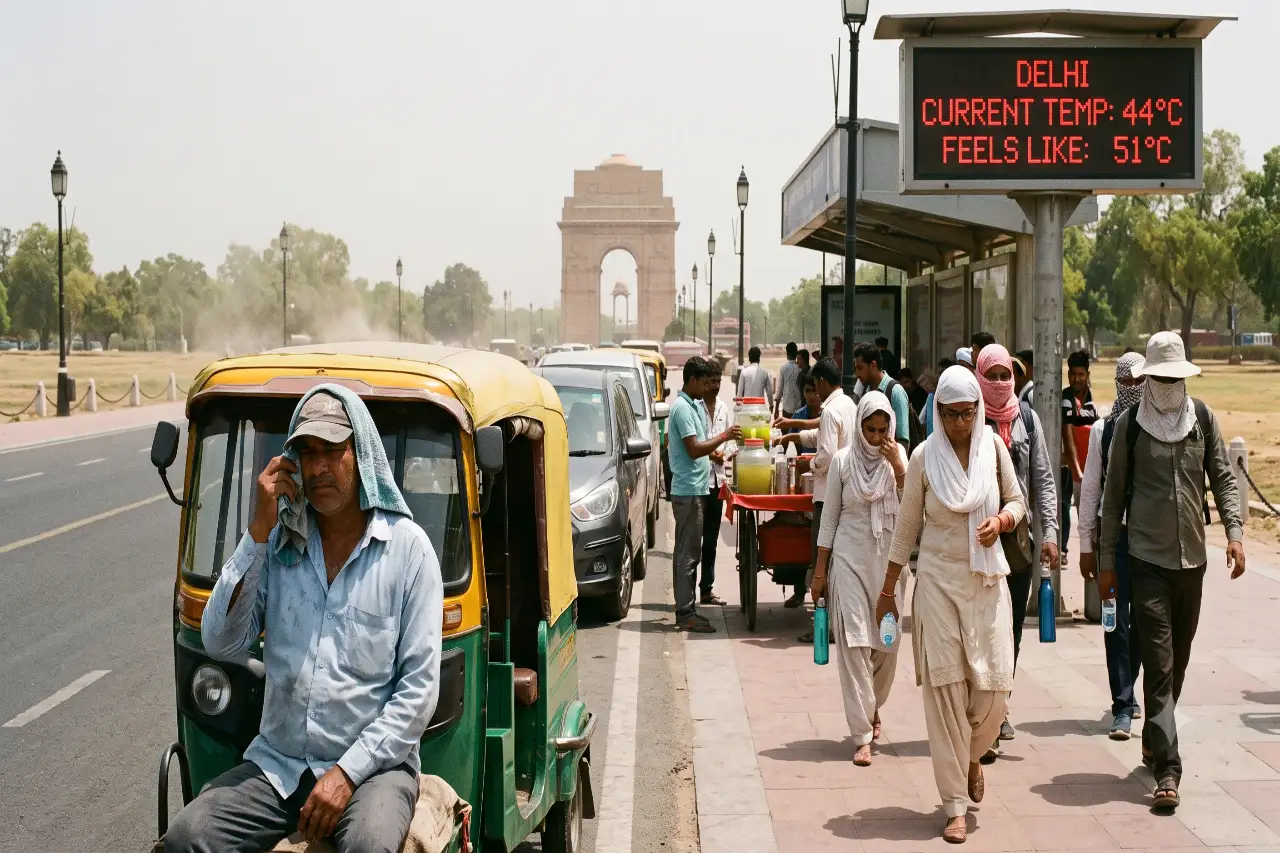
Delhi recently experienced a severe heatwave, with the ‘feels-like temperature’ exceeding 50°C in some areas; the prolonged heat took a toll on homes and infrastructure. When outdoor temperatures remain extremely high for extended periods, AC units are forced to operate continuously without adequate cooling breaks, placing excessive stress on their electrical and mechanical components and making them prone to premature failure.
According to recent reports and fire safety information, the primary reasons for AC malfunctions during heatwaves include compressor overheating, electrical overloads, and prolonged, continuous operation. Experts note that while people often refer to these incidents as “AC blasts,” in reality, many of them are caused by overheating, electrical faults, or fires spreading from internal components.
A clogged filter or debris accumulation within the condenser unit restricts airflow, forcing the system to work harder and generate excess heat. When combined with old wiring or poor-quality insulation, this can significantly increase the risk of fire during peak summer months.
Voltage fluctuation is also a common issue. During heatwaves, the demand for electricity surges as cooling systems operate simultaneously in millions of homes and offices. This increased load can strain household circuits and electrical connections—particularly in older buildings that were not designed to handle modern power consumption levels.
Experts also warn about problems related to refrigerants. Gas leaks, obstructed airflow, poor insulation, and aging compressors can all lead to overheating. If warning signs are ignored, the AC could suddenly break down or even catch fire, potentially emitting smoke.
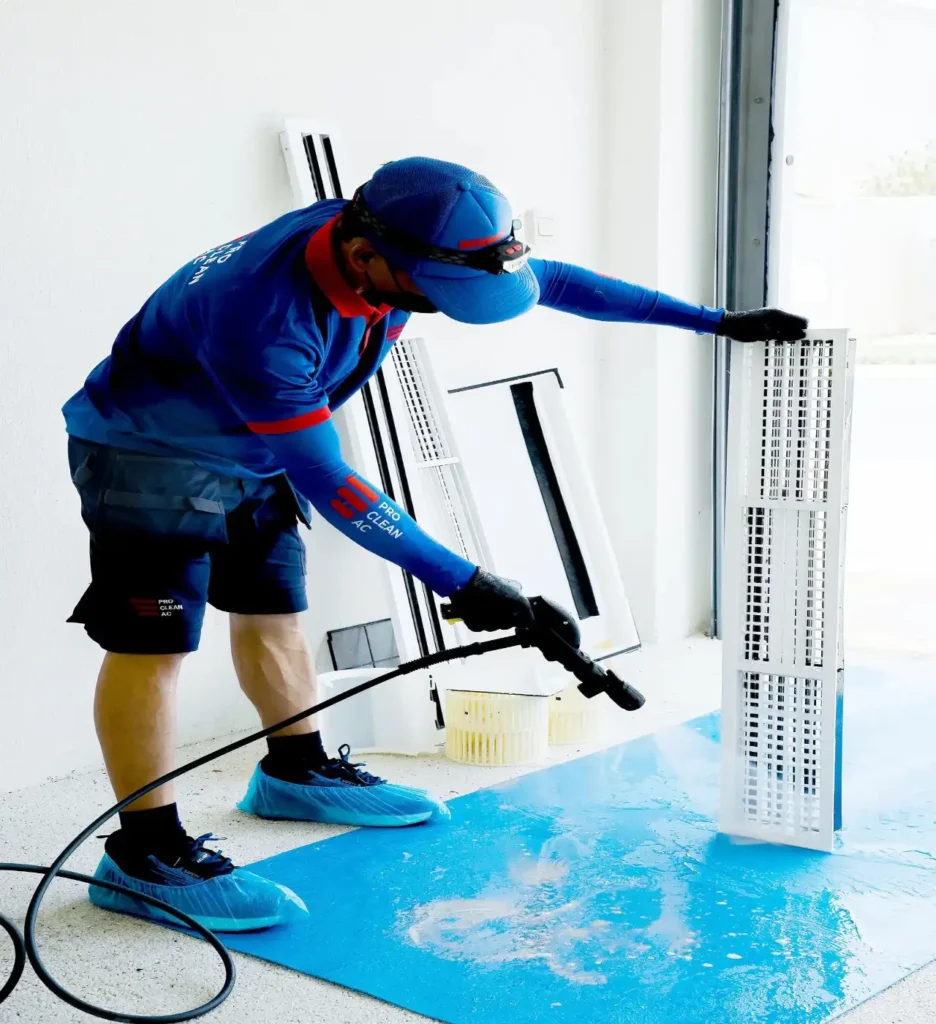
Following a series of recent fire incidents in North India, demands for regular safety checks and electrical audits have resurfaced. Fire department officials have urged the public and commercial establishments to have their cooling systems serviced before the peak summer usage begins, rather than waiting for a problem to arise.
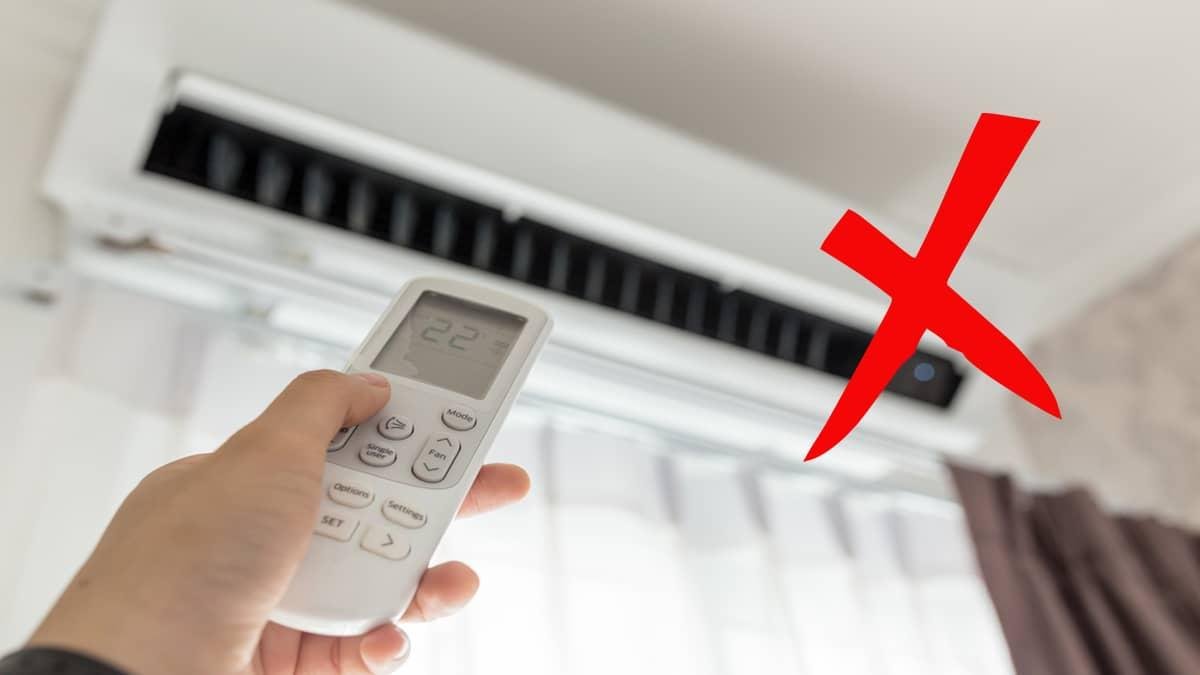
Homeowners can take a few simple steps to minimize risks. Before using air conditioners extensively during summer, get them serviced and clean the filters regularly; avoid running the system continuously at very low temperatures and ensure there is adequate airflow around the outdoor unit. Using a dedicated power line and a suitable stabilizer can also help reduce electrical stress.
Residents should also pay attention to early warning signs, such as a strange burning odor, frequent circuit breaker trips, water leaks, loud noises from the compressor, or reduced cooling performance. These indicators suggest that the system may need inspection before a major problem arises.
While air conditioners are essential during intense heat, experts note that as heatwaves become more frequent and severe, safe usage and regular maintenance are becoming increasingly critical. Usage patterns that were once considered routine during the summer now place significantly greater strain on home cooling systems compared to previous years.