Heatwave Sweeps Across Europe, Claiming More Than 1,300 Lives as Wildfires Spread Across Several Countries (image source: "Chat GPT AI Generated Visuals")
Our Daily Dose of Truth and Trends
Heatwave Sweeps Across Europe, Claiming More Than 1,300 Lives as Wildfires Spread Across Several Countries (image source: "Chat GPT AI Generated Visuals")
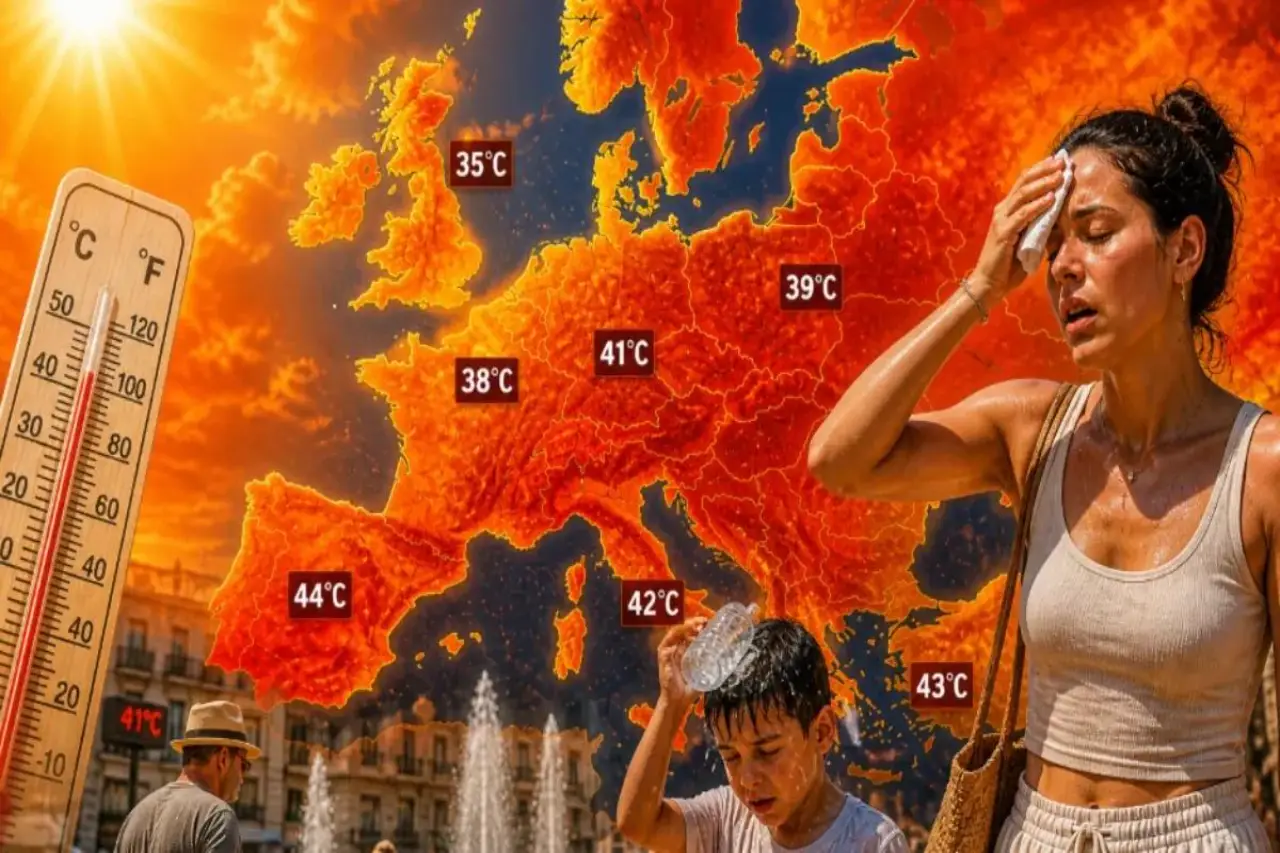
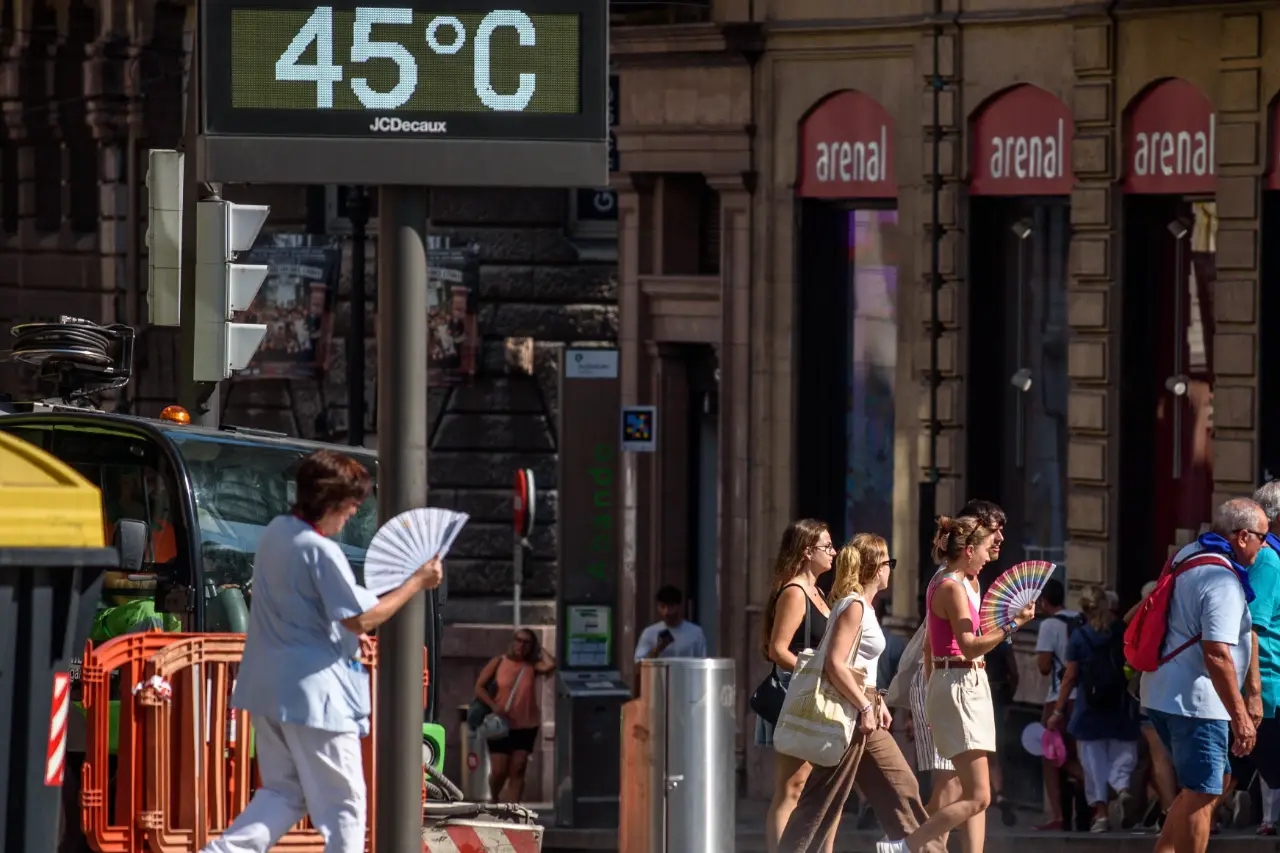
Europe is grappling with one of the most severe heatwaves in recent history; temperatures have crossed 40°C in several countries, and extreme weather conditions have developed across large parts of the continent. Authorities and health agencies report that over 1,300 people have died due to the heat since June 21, while wildfires continue to threaten settlements and infrastructure.
Unusually high temperatures for this time of year have been recorded in several countries, including France, Germany, Poland, Italy, and parts of the Balkans. Reports indicate that numerous long-standing temperature records for June have been broken, making this heat event one of the most intense Europe has ever experienced.
France is among the countries most severely affected by this. According to reports, approximately 1,000 heat-related deaths have been recorded there alone, the majority involving the elderly. The prolonged heatwave has placed immense strain on hospitals, emergency services, and even funeral facilities in some areas.
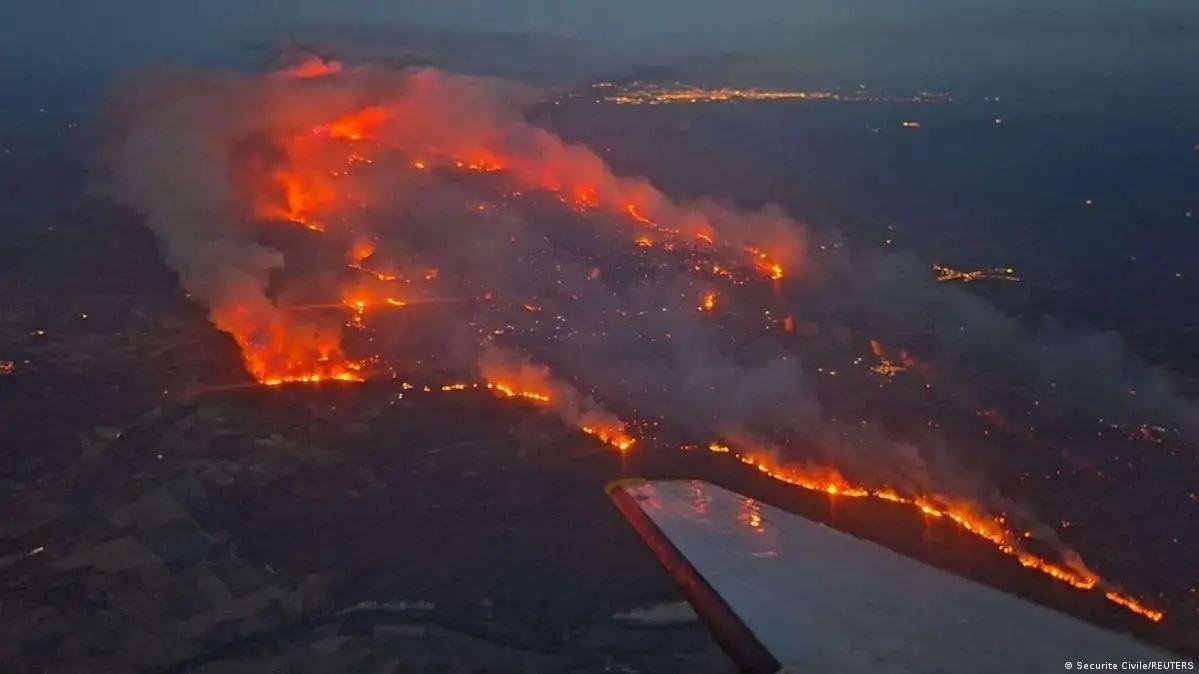
Heatwaves are no longer just a health issue; they have also created a risk of large-scale wildfires. Fires have been reported in Croatia, Albania, and parts of the Balkans, and emergency teams are working to prevent them from spreading further. Dry vegetation and strong winds have made the situation even more dangerous.
Experts state that a weather pattern known as the ‘Omega Block’ has exacerbated the situation. In this phenomenon, high-pressure systems become stationary, preventing cool air from reaching the affected areas; this can cause dangerous heat conditions to persist for days or even weeks.
The impact has not been limited to health issues and fire incidents alone. Transport systems have faced disruptions; extreme temperatures have caused roads to soften, and the strain placed on infrastructure by the heat has led to operational difficulties for some rail networks. Many European cities were originally designed for cooler climates and are, therefore, not fully equipped to withstand prolonged periods of intense heat.
Climate and weather agencies have warned that conditions could still change. Although there may be some temporary relief in western regions, severe heat is still expected in Eastern and Southeastern Europe. Approximately 130 million people in the affected areas are facing temperatures exceeding 35°C.
The World Meteorological Organization has stated that such events are occurring exactly as expected in a warming climate. Europe has warmed significantly over the past few decades, and scientists say that extreme heat events are now becoming more frequent and more intense.
Health officials are urging people to stay indoors during the hottest parts of the day, keep hydrated, look after elderly family members, and avoid unnecessary outings. As conditions remain difficult, authorities across many countries are continuously issuing heat-related warnings and emergency directives.
This heatwave is no longer just a weather story—it is increasingly viewed as a warning regarding the growing challenges of preparedness, urban planning, and the need to adapt to the rapidly changing and extreme weather conditions across Europe.