India Knocked Out of Women’s T20 World Cup After Australia Secures a 6-Wicket Victory (image source: "Chat GPT AI Generated Visuals")
Our Daily Dose of Truth and Trends
India Knocked Out of Women’s T20 World Cup After Australia Secures a 6-Wicket Victory (image source: "Chat GPT AI Generated Visuals")
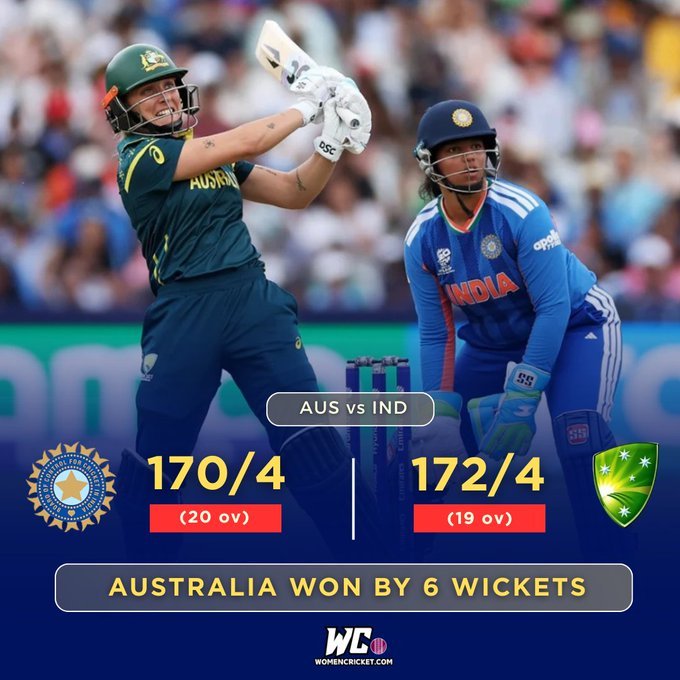
India’s Women’s T20 World Cup campaign came to a disappointing end following another brilliant and composed performance by Australia. Australia secured a six-wicket victory, sealing their spot in the semi-finals. Despite posting a competitive total and putting up a strong fight, this result dashed India’s hopes of progressing further in the tournament.
In this high-pressure match played at Lord’s, India batted first and posted a score of 170/4 in their 20 overs. This total appeared sufficient to pose a stern challenge even to the formidable Australian side. Captain Harmanpreet Kaur led the team with a crucial half-century, while contributions from Smriti Mandhana and Shafali Verma helped India maintain a strong scoring rate at different stages of the innings.
India’s Women’s T20 World Cup campaign came to a disappointing end following another brilliant and composed performance by Australia. Australia secured a six-wicket victory, sealing their spot in the semi-finals. Despite posting a competitive total and putting up a strong fight, this result dashed India’s hopes of progressing further in the tournament.
In this high-pressure match played at Lord’s, India batted first and posted a score of 170/4 in their 20 overs. This total appeared sufficient to pose a stern challenge even to the formidable Australian side. Captain Harmanpreet Kaur led the team with a crucial half-century, while contributions from Smriti Mandhana and Shafali Verma helped India maintain a strong scoring rate at different stages of the innings.
Indian fans genuinely held out hope during the innings break. Defending a total of 170 seemed feasible—even in an atmosphere akin to a World Cup knockout match—especially considering the pressure of the occasion and Australia’s recent dominance in women’s cricket.
However, Australia once again demonstrated why they are one of the strongest teams in world cricket. While their start to the run chase wasn’t explosive, they remained composed and gradually took control of the game through sensible partnerships and aggressive intent during the middle overs.
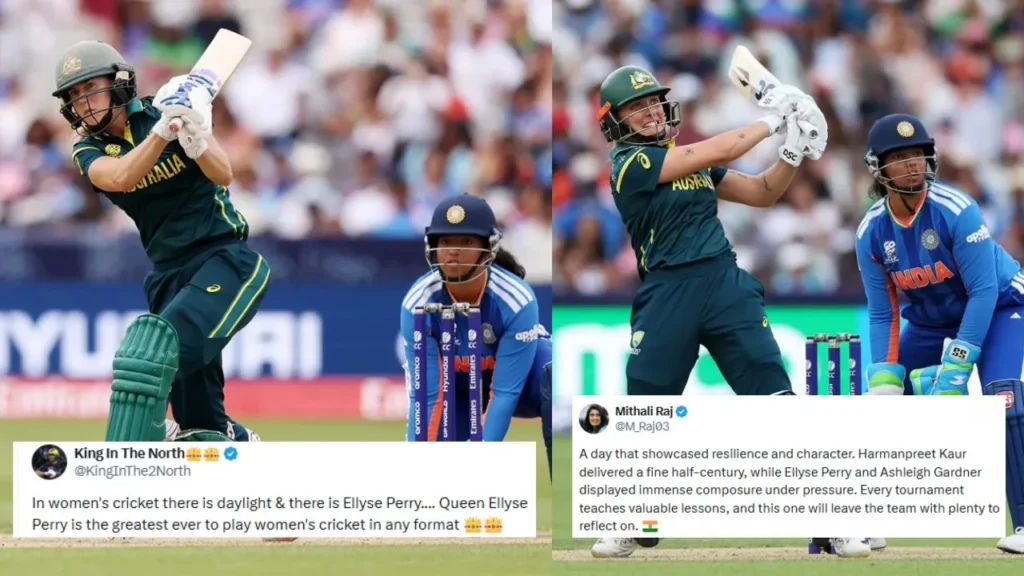
The match turned when Ellyse Perry and Ashleigh Gardner forged a magnificent partnership. Perry scored 56 runs, while Gardner remained unbeaten on 53; together, they built a match-winning stand that snatched victory away from India. Their partnership crossed the 100-run mark and completely shifted the momentum of the game.
The Indian bowlers created opportunities, but as Australia entered the final phase of the run chase, they failed to keep the run rate in check. India could not secure crucial wickets at key moments, and Australia ultimately achieved the target in 19 overs with six wickets to spare.
This defeat had a direct impact on the tournament standings as well. Australia topped the group with an impressive record, while India’s campaign ended before the semi-finals, despite some strong performances early in the tournament. South Africa also benefited from this result and advanced to the next round.
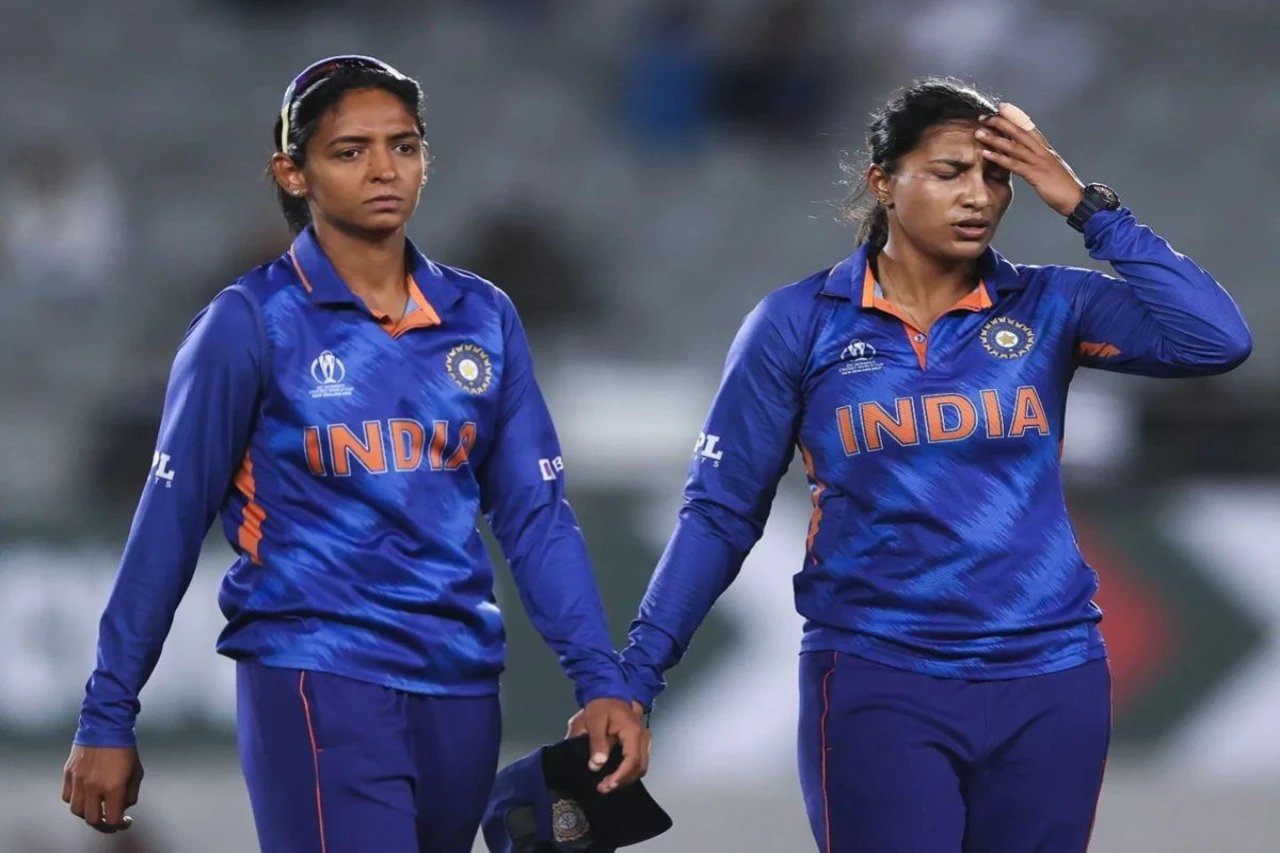
After the match, Harmanpreet Kaur spoke candidly about the team’s performance and acknowledged that India’s showing against a strong opponent did not meet expectations. While her words reflected disappointment, they also revealed a desire to learn and improve for future tournaments.
Even though India’s tournament campaign ended sooner than fans had hoped, there were several positives—such as magnificent innings played under pressure and individual performances that showcased the team’s growing depth. The challenge now lies in translating such brilliant individual displays into consistent success in major tournaments.
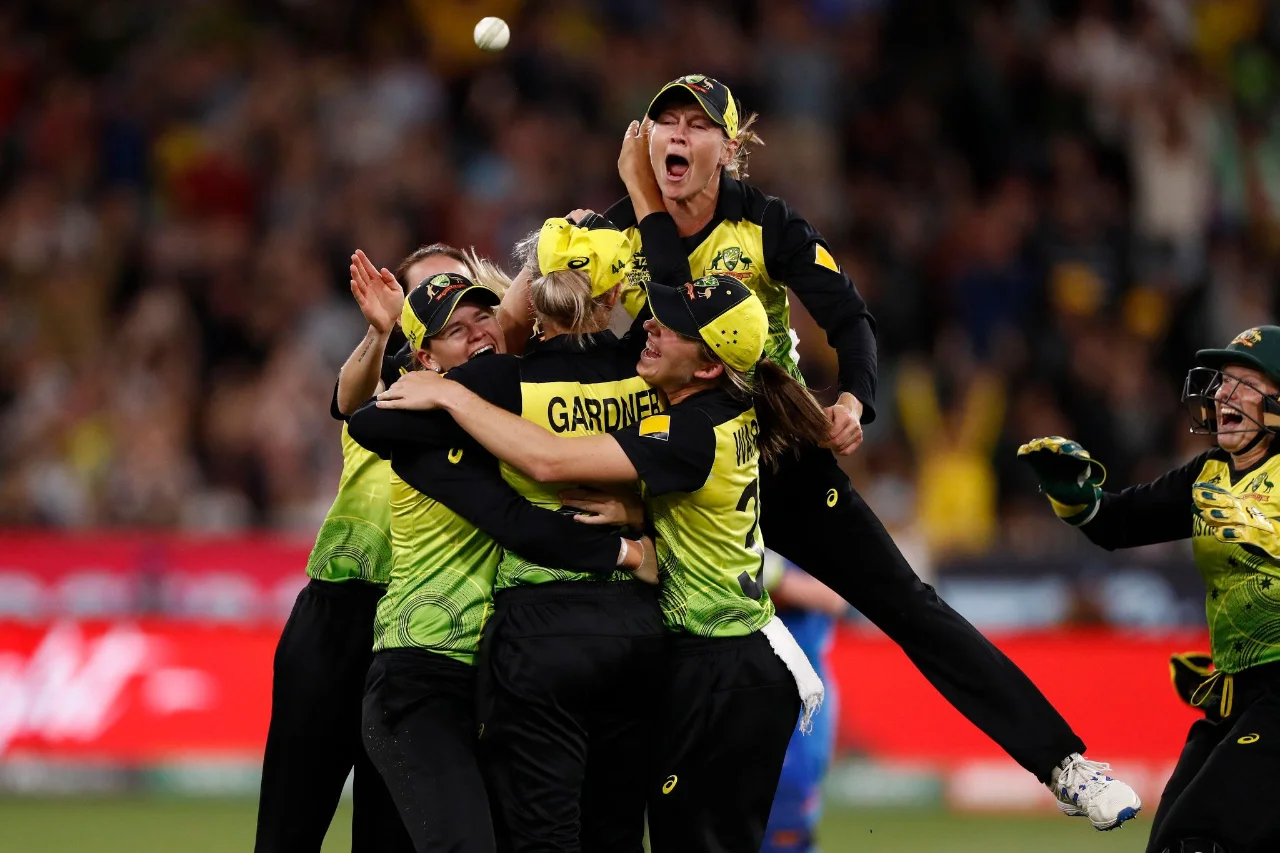
Australia’s victory once again demonstrated their experience, composure, and ability to perform well in crucial moments. Exiting the tournament is a bitter pill for India to swallow, yet it also marks another step towards building a team capable of winning ICC titles in the future.