Polls Reveal How Americans View the U.S.–Iran Agreement1
Our Daily Dose of Truth and Trends
Polls Reveal How Americans View the U.S.–Iran Agreement1
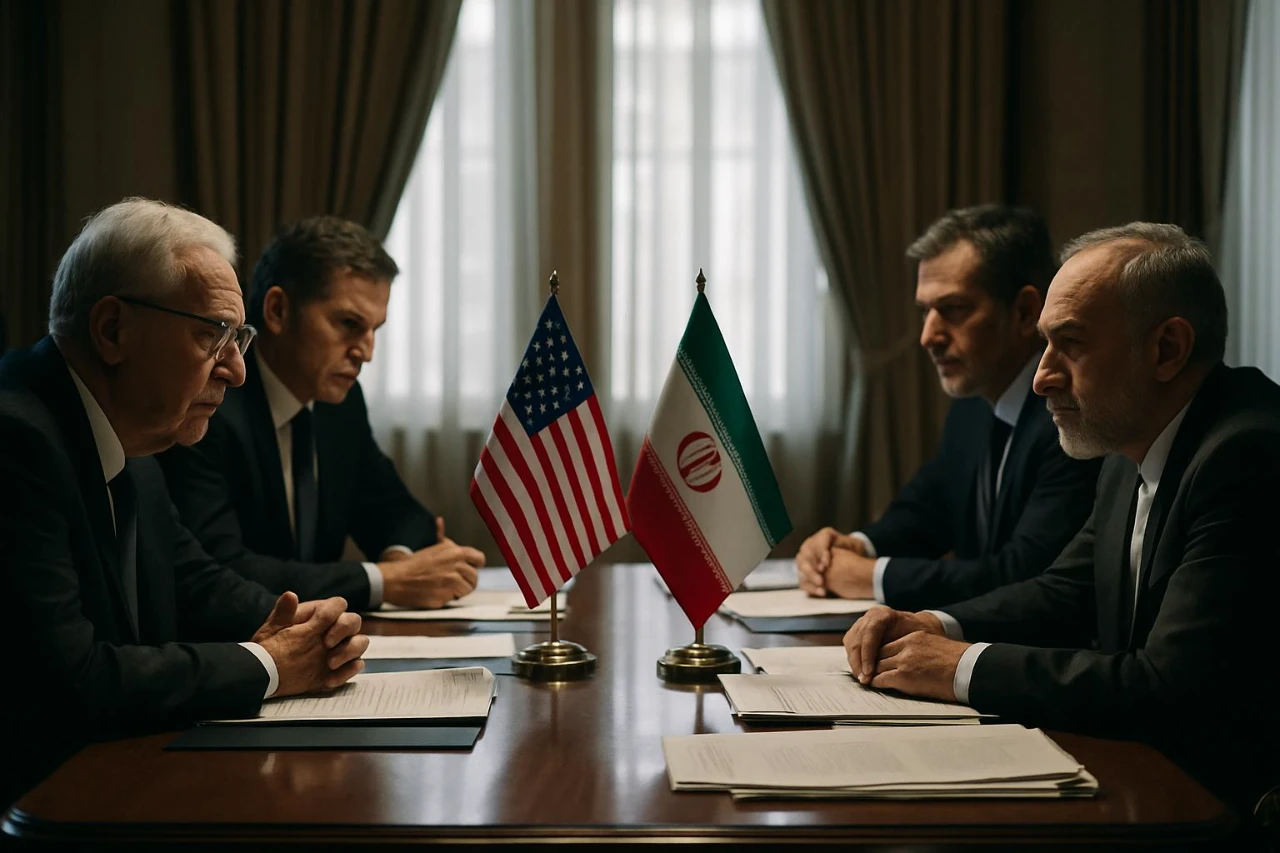
Public opinion in the U.S. appears divided following the recent U.S.-Iran agreement, though there is a general sense of caution. New polling data indicates that while many Americans support efforts to de-escalate tensions, a significant portion remains skeptical that the deal will lead to long-term peace or improve America’s strategic position.
A key takeaway from recent surveys is the skepticism regarding long-term outcomes. According to a Reuters/Ipsos poll conducted between June 18 and June 22, approximately 63% of Americans expressed doubt that the initial U.S.-Iran agreement would result in lasting peace, with very few anticipating a permanent resolution.
Concerns also emerged regarding the costs and potential damage resulting from recent confrontations. When asked whether US military actions involving Iran were justified, more than half of the respondents felt the actions were not worth the associated costs and damage, whereas only a quarter believed the moves were ultimately justified.
Another key finding from the survey was the uncertainty regarding whether America’s international standing had improved as a result of these developments. The poll revealed that a larger number of people believed the US position vis-à-vis Iran had weakened following recent events, compared to the smaller number who held the opposite view.
Public opinion polls also repeatedly raised questions regarding security and future stability. A separate CBS News survey found that while many Americans support de-escalating military tensions, they are skeptical that this agreement will provide a lasting solution to concerns about Iran’s future capabilities or regional tensions.
Political identity plays a crucial role in shaping public opinion. Clear differences are evident among Republican, Democratic, and independent voters when evaluating discussions, military decisions, and diplomatic outcomes. Although support varies across different groups, polling indicates that there is no broad national consensus on this matter.
The survey also reveals divergent public opinions on the way forward. Some Americans favor continuing negotiations, even if it entails making certain compromises. Conversely, others advocate for adopting a position of strength in the talks, despite the risk of renewed confrontation.
Public perception of the leadership has also become a topic of discussion. Recent surveys have shown mixed reactions to the administration’s handling of the Iran issue. Public concerns extended beyond the agreement itself, encompassing broader questions regarding strategy, economic impact, and the direction of foreign policy.
Another interesting point is that many people have not yet formed a firm opinion. A significant number of Americans say they are still trying to decide whether to view this agreement as a diplomatic success, a mere temporary pause, or an arrangement fraught with future challenges.
Overall, polling results indicate that while most Americans want to de-escalate tensions, they remain cautious about declaring it a success. This agreement may well have ushered in a new phase in US-Iran relations, but public confidence hinges less on official statements and more on whether tangible results—such as stability, security, and positive long-term outcomes—actually materialize.