Trump Seeks Billions in Congressional Funding for Iran Conflict (image source: "Chat GPT AI Generated Visuals")
Our Daily Dose of Truth and Trends
Trump Seeks Billions in Congressional Funding for Iran Conflict (image source: "Chat GPT AI Generated Visuals")
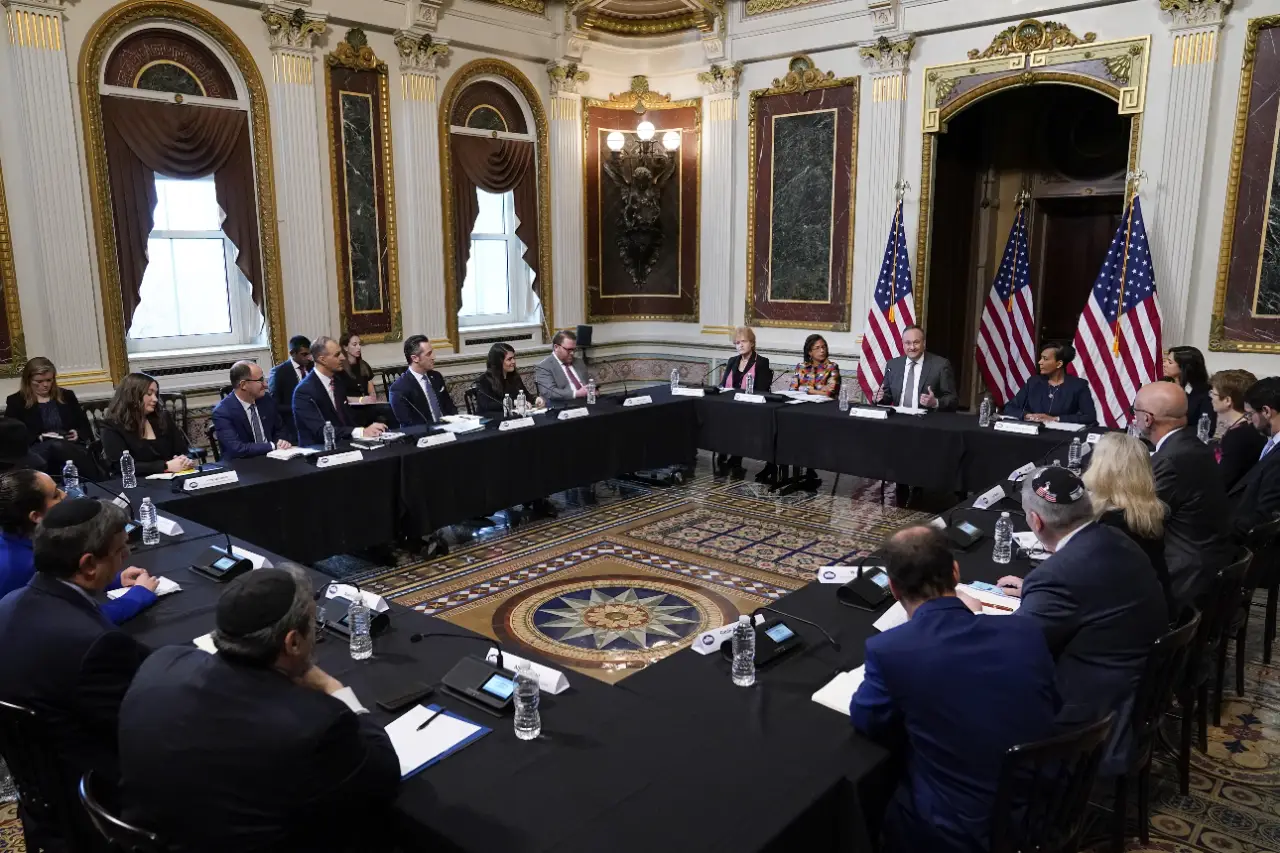
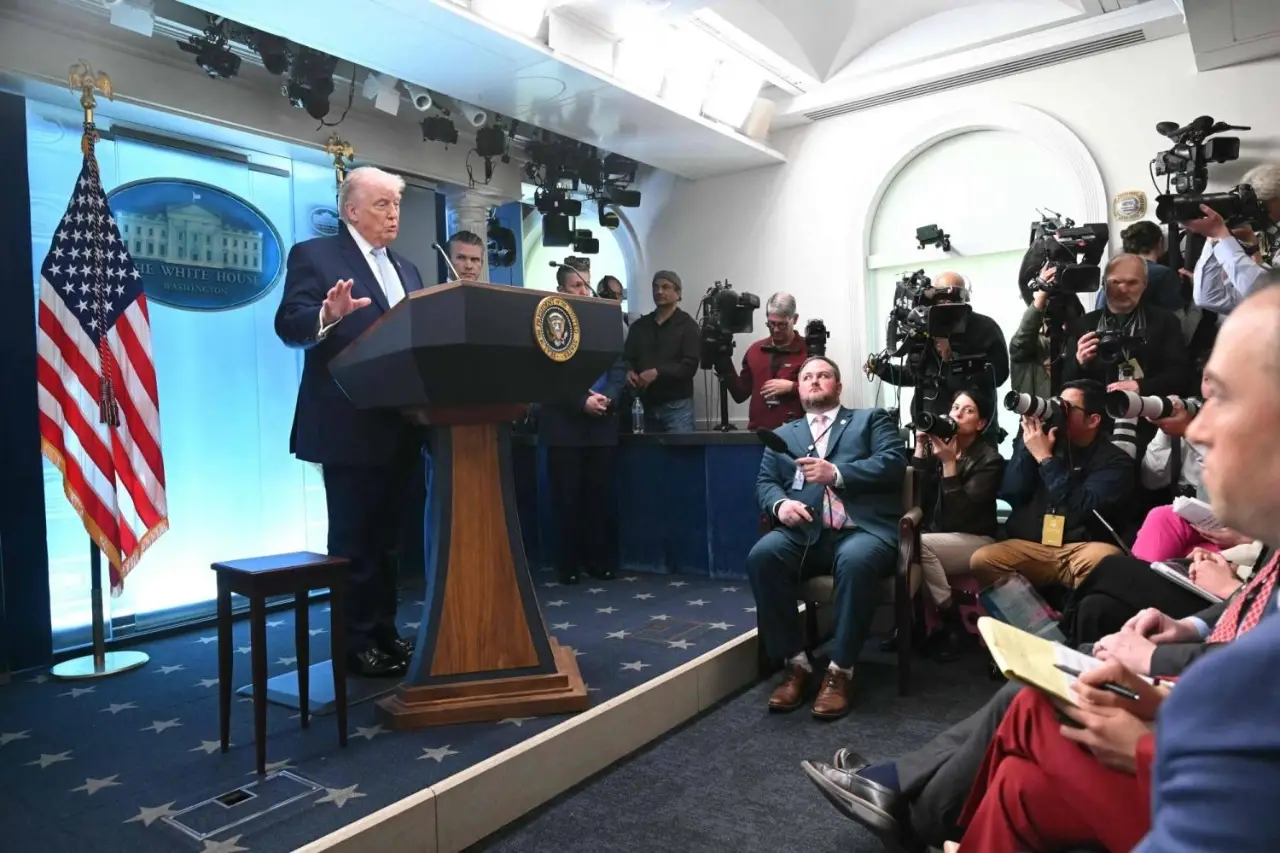
The White House has submitted a request to the US Congress for approximately $87.6 billion in additional supplemental funding. The majority of this proposed amount is intended to cover costs associated with the ongoing confrontation with Iran. This move comes at a politically sensitive time, amidst debates in Washington regarding military spending, foreign policy priorities, and congressional approval.
According to official budget details cited in various media reports, the largest portion of the proposal—approximately $67 billion—is allocated to the US Department of Defense. The administration states that these funds will support military operations, replenish weapons stockpiles, maintain readiness, and cover the costs of classified programs related to the conflict.
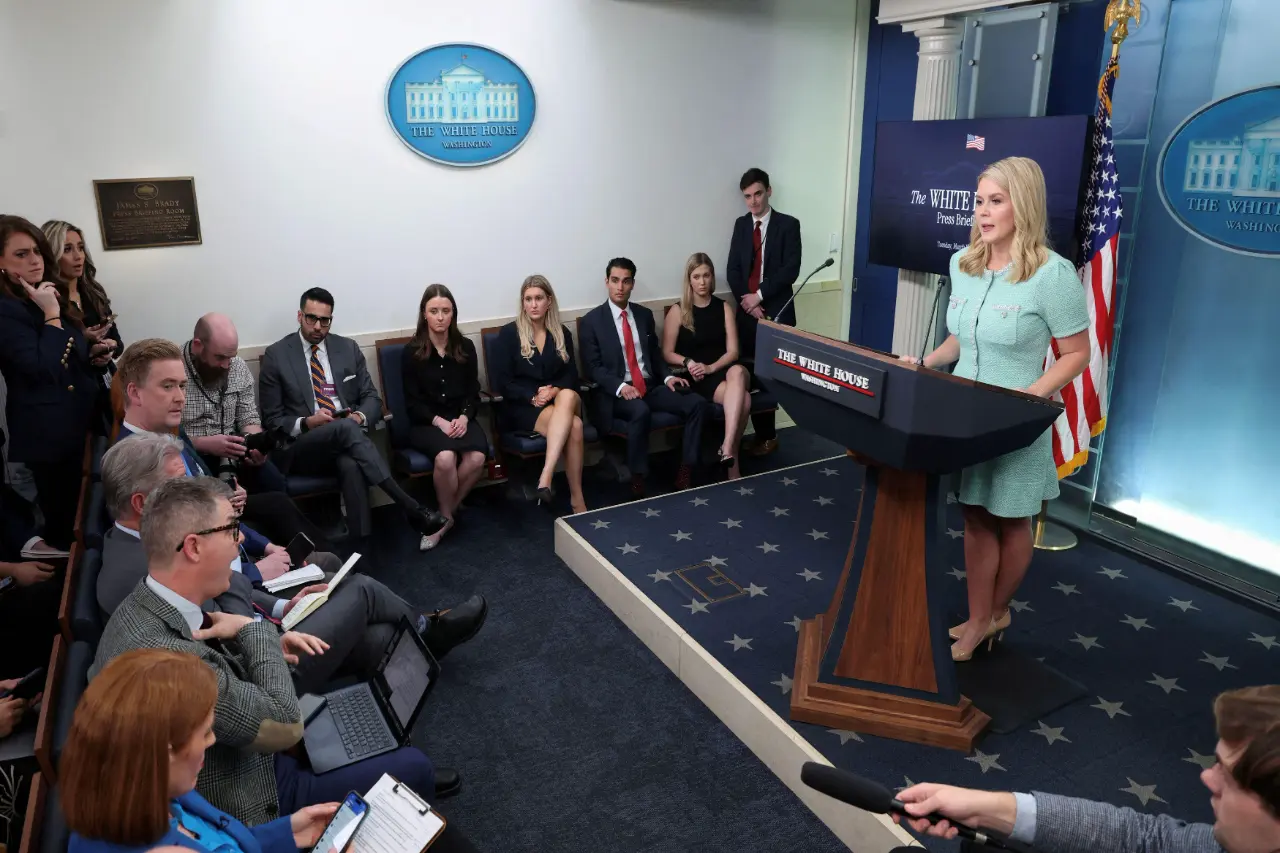
According to reports, this request was formally submitted to Congress through the White House’s Office of Management and Budget and presented to congressional leaders for consideration. The administration has described the package as one that addresses urgent national needs related to security and operations.
This proposal comes at a time when differences have emerged among Republican lawmakers regarding policy toward Iran. Reports of internal discussions indicate that tensions arose during meetings between President Donald Trump and members of his own party concerning decisions related to strategy and warfare.
Political analysts say that requests for additional wartime funding often turn into difficult legislative battles, as they involve issues related to both fiscal and foreign policy. In this instance, lawmakers from various political groups have already raised questions regarding costs, timelines, and broader strategic objectives.
The demand for funding is not limited solely to military expenditure. According to reports, the package includes additional allocations to support U.S. agriculture and international public health efforts, including funding for measures to combat Ebola.
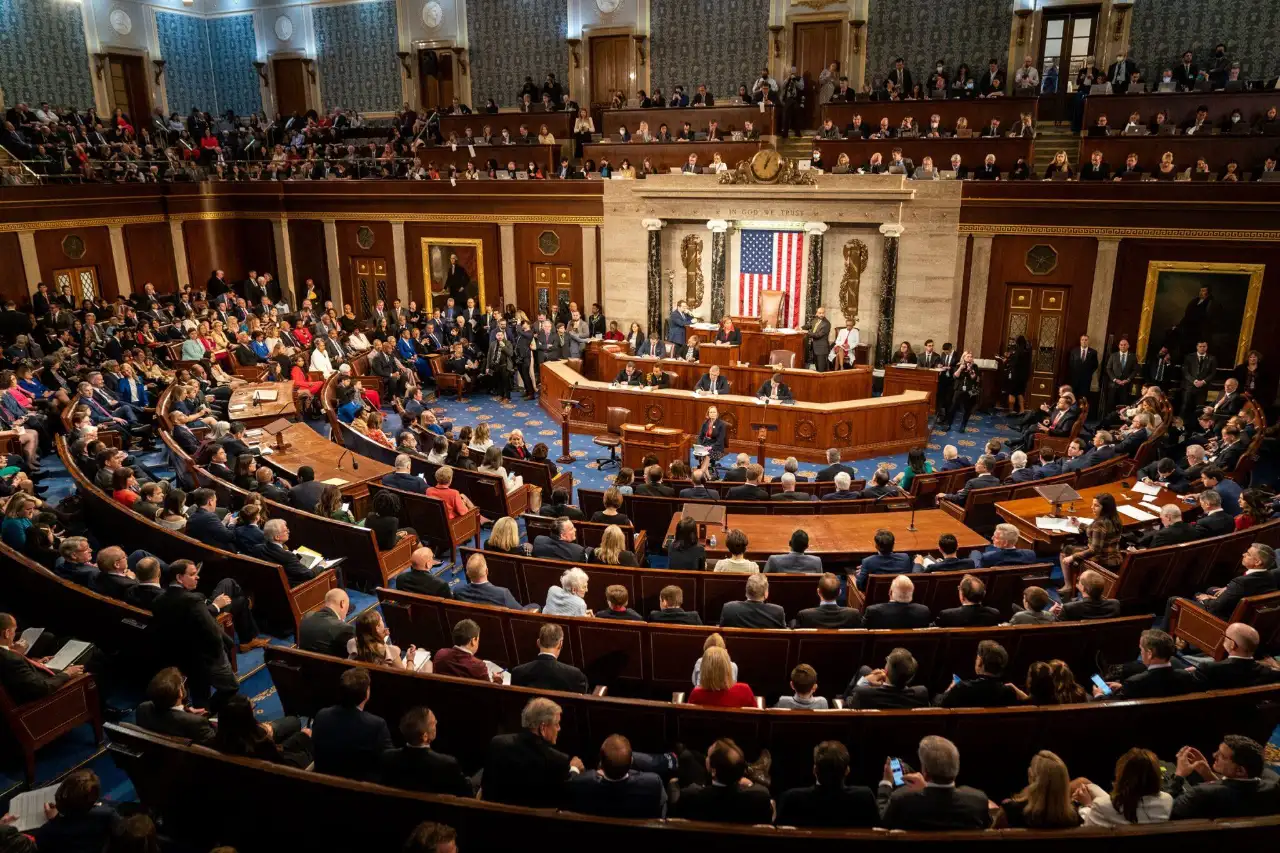
At the same time, the proposal faces procedural and political challenges within Congress. Opposition from some lawmakers could complicate negotiations, particularly in the Senate, where advancing large spending packages often requires broader support.
This debate has also reignited discussions regarding executive authority and congressional oversight in matters of military action. Many lawmakers have emphasized the importance of congressional involvement in decisions concerning the costs of conflict and long-term overseas commitments.
Public opinion could also influence the outcome. According to reports, the issue of Iran has emerged as a significant political topic ahead of the upcoming elections. This has increased pressure on lawmakers to justify the high-cost proposals and explain the objectives of their policies to voters.
For the administration, this request represents an effort to secure resources for the military and associated priorities. For Congress, this expenditure initiates another round of debate regarding national security and the future direction of U.S. policy in the Middle East. It remains uncertain whether the package will pass in its current form; that will depend on legislative discussions taking place in the coming weeks.