Meta Glasses
Our Daily Dose of Truth and Trends
Meta Glasses
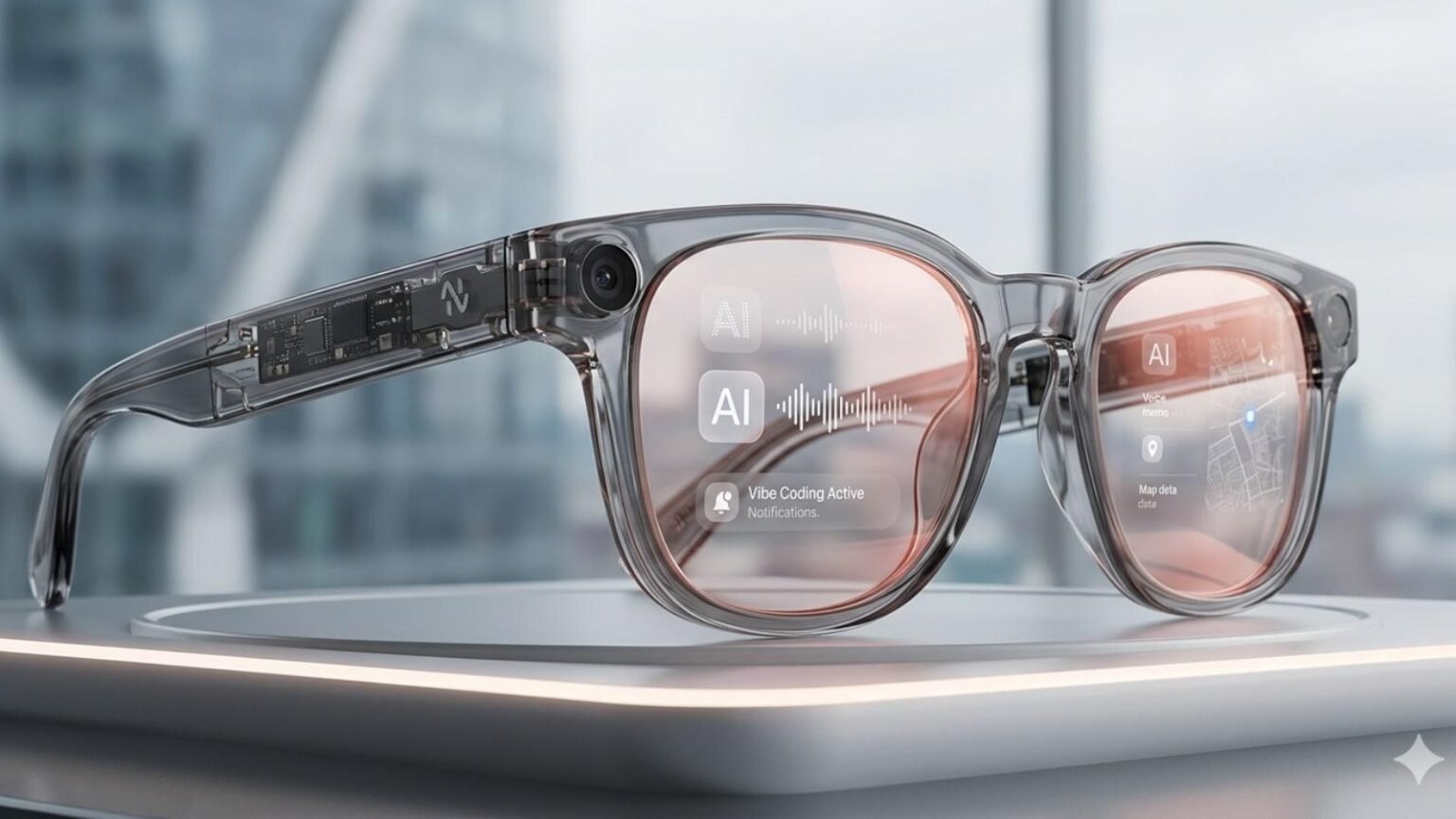
Meta has taken another significant step in the realm of wearable technology. The company has introduced a range of AI-powered smart glasses that are more affordable than previous models. This move signals the company’s intent to integrate AI into people’s daily lives through devices that can be worn all day long. It is part of a broader strategy to bring AI to a wider audience and venture beyond smartphones and traditional screens.
According to recent announcements, the starting price for these new smart glasses is approximately $299. This is significantly lower than the cost of Meta’s earlier premium smart eyewear. The company believes that this lower price point could drive adoption and help AI wearables become a part of mainstream technology.
Unlike previous generations that were closely tied to famous eyewear brands, this new range features designs developed directly under Meta’s expanding ‘wearables’ strategy, while maintaining a manufacturing partnership with eyewear specialist EssilorLuxottica.
Its standout feature is the direct integration of Meta’s AI capabilities into the glasses. Users can reportedly interact via voice commands and utilize features such as translation assistance, scene understanding, hands-free communication, and intelligent responses—all without repeatedly picking up their phones.
These glasses have been designed to be lightweight for easy, everyday use. According to reports, these devices feature built-in cameras, open-ear speakers, microphones, and AI interaction capabilities. Their aim is to integrate technology into daily life rather than provide an experience akin to a fully immersive headset.
Meta’s leadership has emphasized that wearable devices must succeed not only in terms of technology but also as fashion products. Company officials noted that when designing devices intended for daily wear, factors such as comfort, style, and affordability become just as important as AI performance.
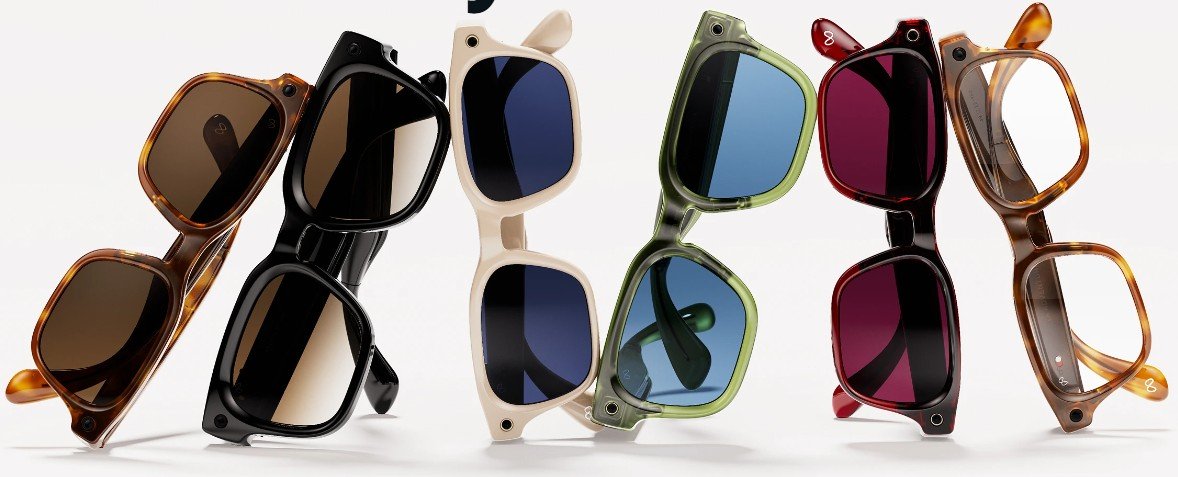
This launch also highlights just how competitive the smart glasses market has become. Many major technology companies view AI-powered eyewear as the next computing platform, intensifying competition within the wearable technology sector.
Another notable aspect is the focus on practical AI rather than just augmented reality. Instead of displaying heavy digital overlays in the user’s field of view, these glasses appear to prioritize voice interaction, assistance, image understanding, and productivity in everyday tasks.
Industry experts consider ‘wearable AI’ to be one of the next major shifts in personal technology. In the future, rather than opening apps or typing out queries, users will likely interact continuously with AI through devices integrated into their daily lives.
Meta’s sustained investment in wearable hardware aligns with its broader AI roadmap, under which the company has dedicated significant resources to making AI more personal and responsive, and to integrating it into consumer products.
Issues such as privacy, battery life, and real-world utility remain critical in the wearable industry; however, Meta’s affordable smart glasses signal the company’s expectation that smart glasses will become commonplace in the coming years.
If adoption grows as anticipated, AI smart glasses could emerge as one of the most talked-about categories in consumer technology—potentially transforming how people communicate daily, search for information, navigate, and interact with data.