Gaza talks teeter between cease-fire hopes and Rafah concerns
Our Daily Dose of Truth and Trends
Gaza talks teeter between cease-fire hopes and Rafah concerns
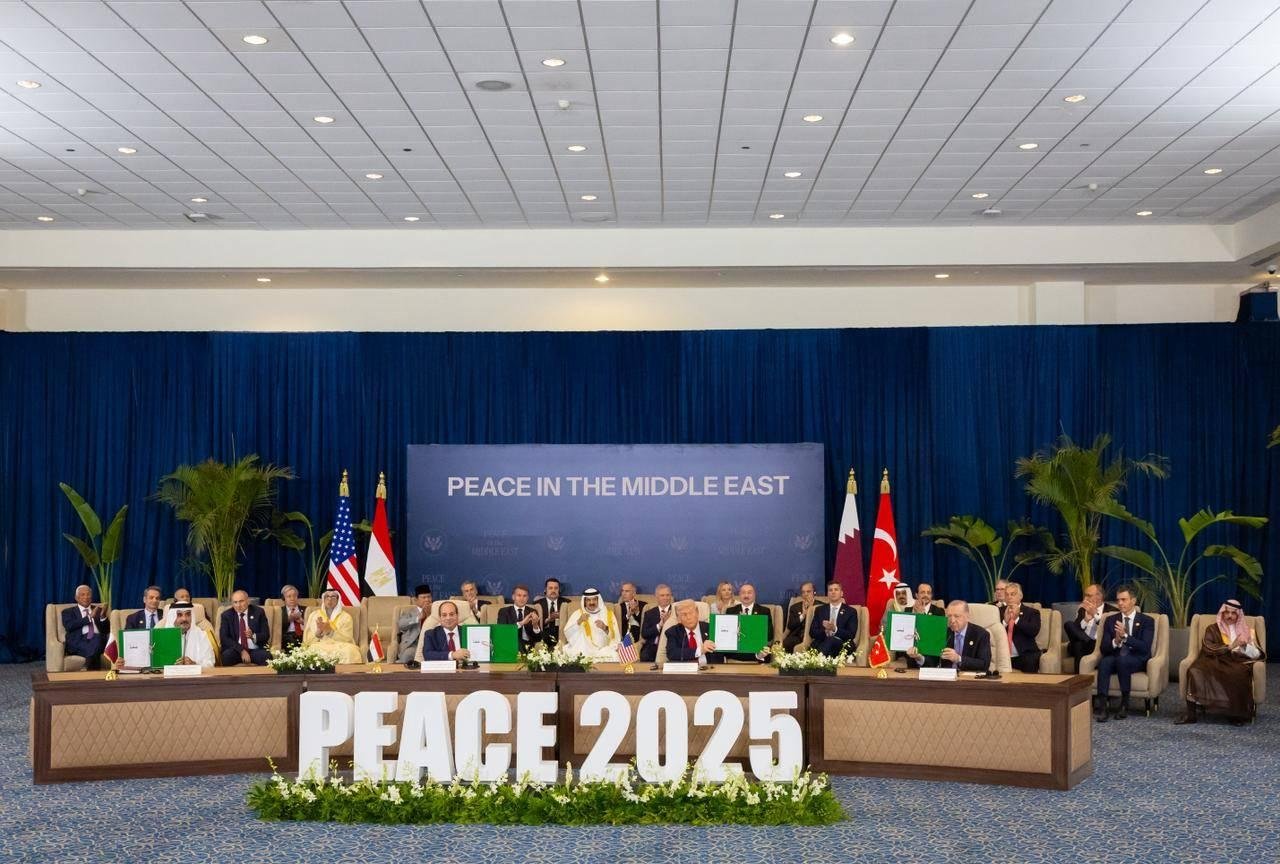
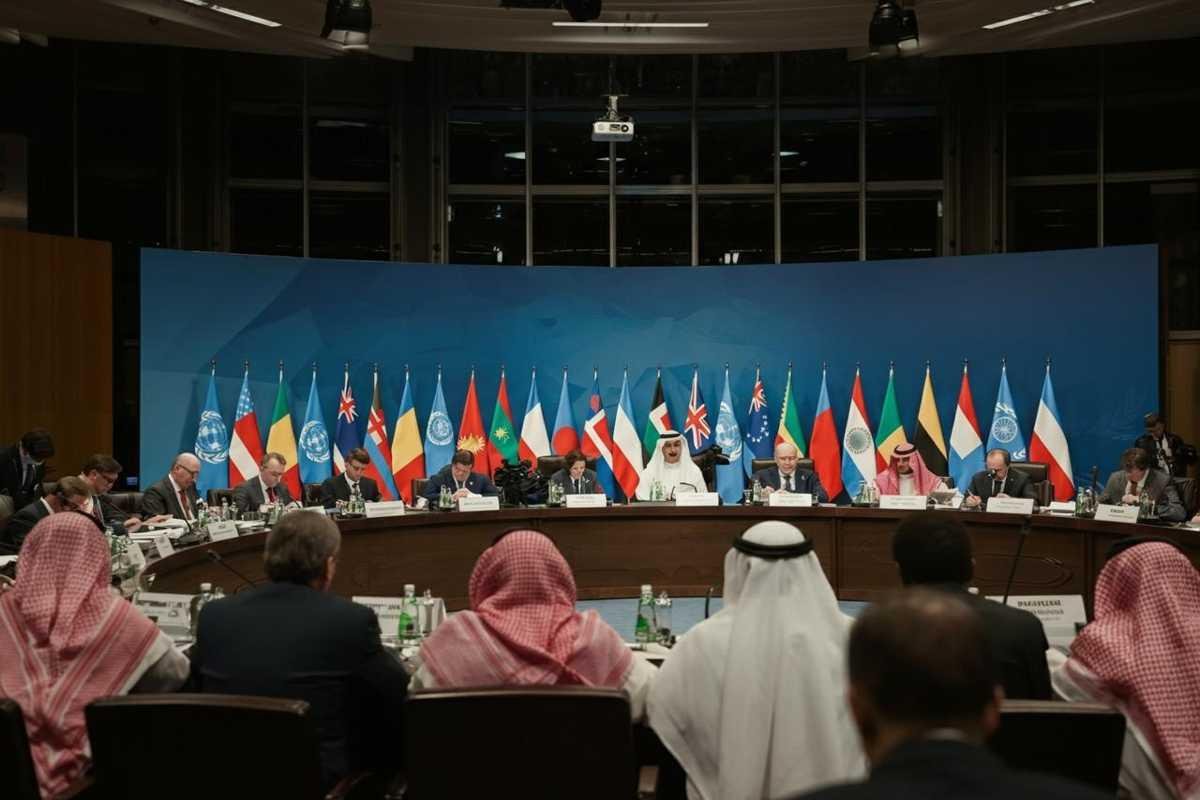
Recently, Saudi Arabia represented the Arab Group at a high-level meeting of the UN Security Council and delivered a statement regarding the humanitarian and political situation in Gaza. The address reflected the region’s collective stance and called for robust international engagement to address the ongoing tension and instability in the Middle East.
The statement was delivered by Dr. Abdulaziz Al-Wasil, Saudi Arabia’s Permanent Representative to the United Nations, speaking on behalf of the Arab nations participating in the discussion. During the meeting, he emphasized that the Palestinian issue remains a primary concern for the Arab world and underscored the importance of diplomatic and political solutions.
According to the statement, the Arab Group emphasized that lasting peace in the region cannot be achieved without resolving the broader political issues surrounding the Palestinian cause. The address reiterated support for international efforts to de-escalate tensions and advance dialogue.
A key issue raised during the Security Council discussion was the concern regarding the humanitarian situation in Gaza. Saudi Arabia called for the unhindered delivery of humanitarian aid and urged international organizations to strengthen aid mechanisms for civilians affected by the conflict.
The statement supported the continued engagement of international organizations and emphasized the importance of upholding international legal frameworks and relevant United Nations resolutions. The representatives argued that multilateral diplomacy is essential for maintaining long-term regional stability.
Instead of escalating military tensions, Saudi Arabia emphasized supporting renewed diplomatic discussions and political dialogue. The statement suggested adopting mediation and peaceful methods to de-escalate the conflict and improve regional security conditions.
Another key point raised during the meeting was the need to oppose measures that could increase instability in the region or alter existing legal and political frameworks. The Arab group emphasized that ensuring the safety of civilians and upholding regional sovereignty are top priorities.
The discussion also reflected broad Arab support for a strong role for international institutions in preventing conflict and establishing peace. Saudi Arabia reiterated that the United Nations remains a crucial platform for addressing global and regional crises.
Analysts believe that Saudi Arabia’s role in presenting this statement reflects the country’s growing diplomatic engagement on international platforms and in regional policy discussions. Recent initiatives have placed greater emphasis on dialogue, communication, and multilateral coordination.
This Security Council meeting is taking place at a time when the eyes of the world are fixed on events unfolding in the Middle East. Diplomatic efforts by regional and international stakeholders are shaping discussions regarding security, humanitarian concerns, and future political arrangements.