Survey Finds 61% of Bengaluru Residents Are Unaware of Electoral Roll SIR Process
Our Daily Dose of Truth and Trends
Survey Finds 61% of Bengaluru Residents Are Unaware of Electoral Roll SIR Process
Recently, Saudi Arabia represented the Arab Group at a high-level meeting of the UN Security Council and delivered a statement regarding the humanitarian and political situation in Gaza. The address reflected the region’s collective stance and called for robust international engagement to address the ongoing tension and instability in the Middle East.
The statement was delivered by Dr. Abdulaziz Al-Wasil, Saudi Arabia’s Permanent Representative to the United Nations, speaking on behalf of the Arab nations participating in the discussion. During the meeting, he emphasized that the Palestinian issue remains a primary concern for the Arab world and underscored the importance of diplomatic and political solutions.
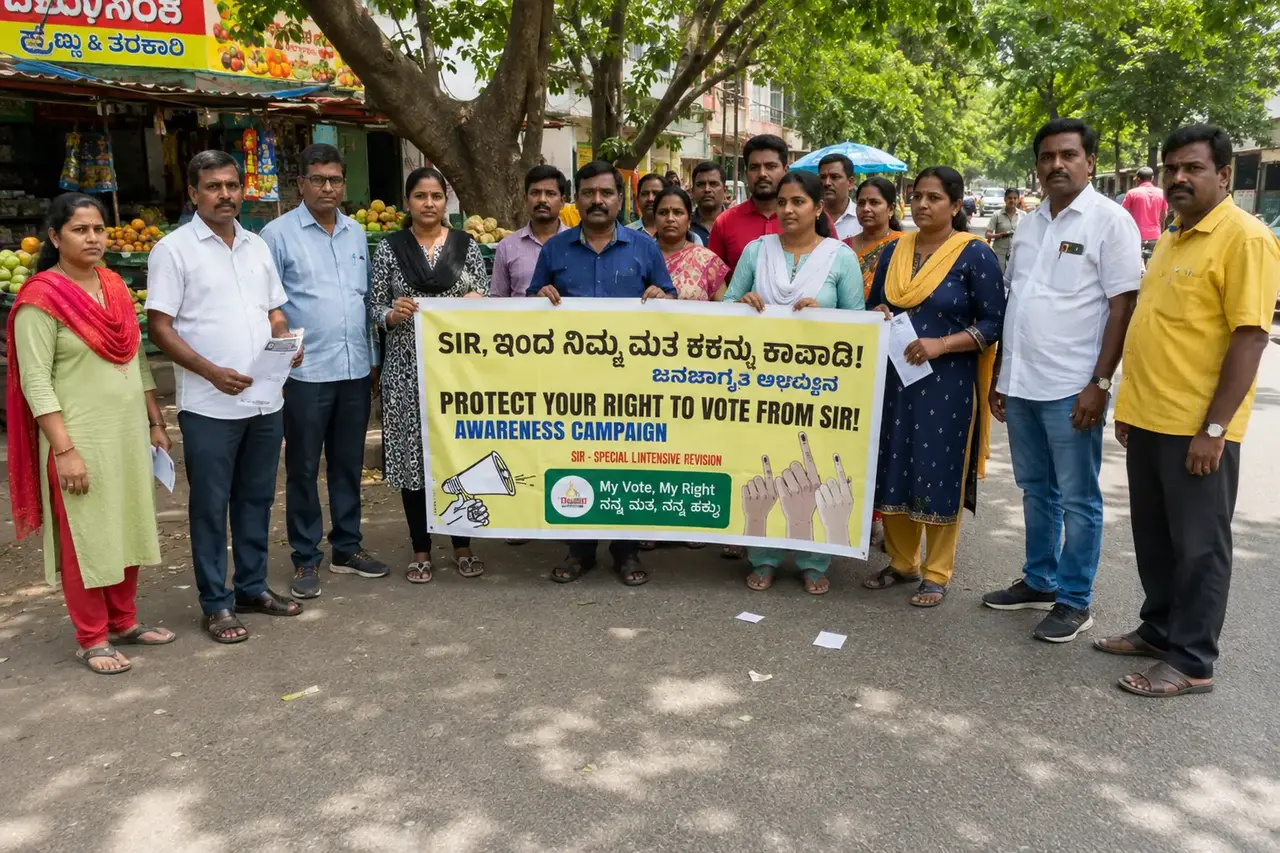
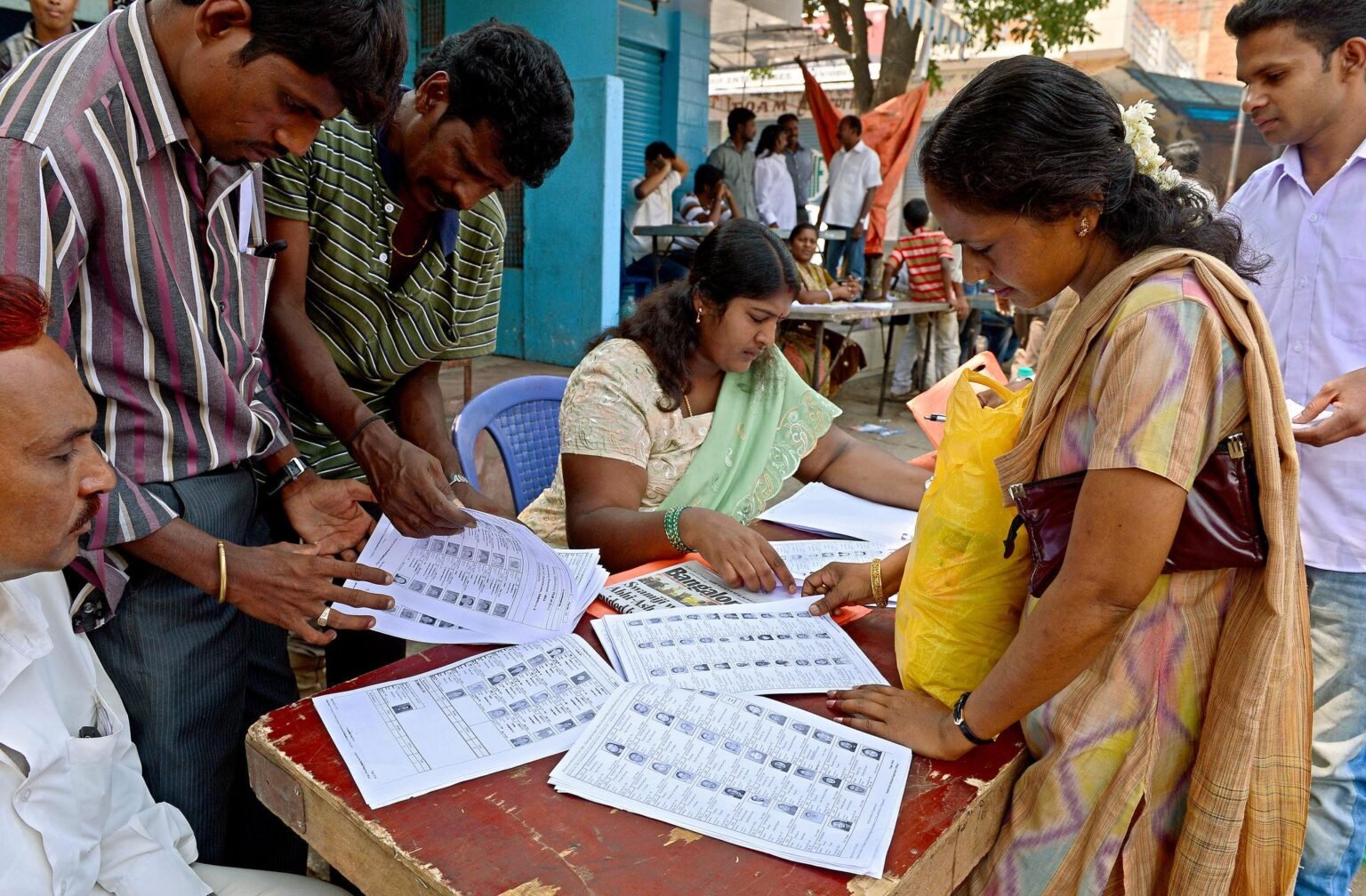
The ‘Special Intensive Revision’ is a process for updating and verifying voter records. Its primary objective is to enhance the accuracy of the electoral roll by updating entries and identifying records that may require correction or verification.
The survey revealed that, alongside the need for awareness, there are also practical challenges. According to the report, approximately one-third of the people lacked clear information regarding the documents required to rectify discrepancies during the process. This raises concerns that eligible voters could face difficulties if they are not provided with accurate information.
Experts believe that awareness plays a crucial role, as changes to the voter list directly impact citizens’ ability to vote. If individuals miss deadlines, fail to fully grasp the procedures, or do not respond to verification requirements, they may face difficulties later in confirming their voter status.
Urban participation in voter-related processes has already been identified as a challenge in Bengaluru. Previous reports indicate low public participation in voter mapping efforts, attributed to factors such as migration, shifting residential patterns, and limited responsiveness during the verification process.
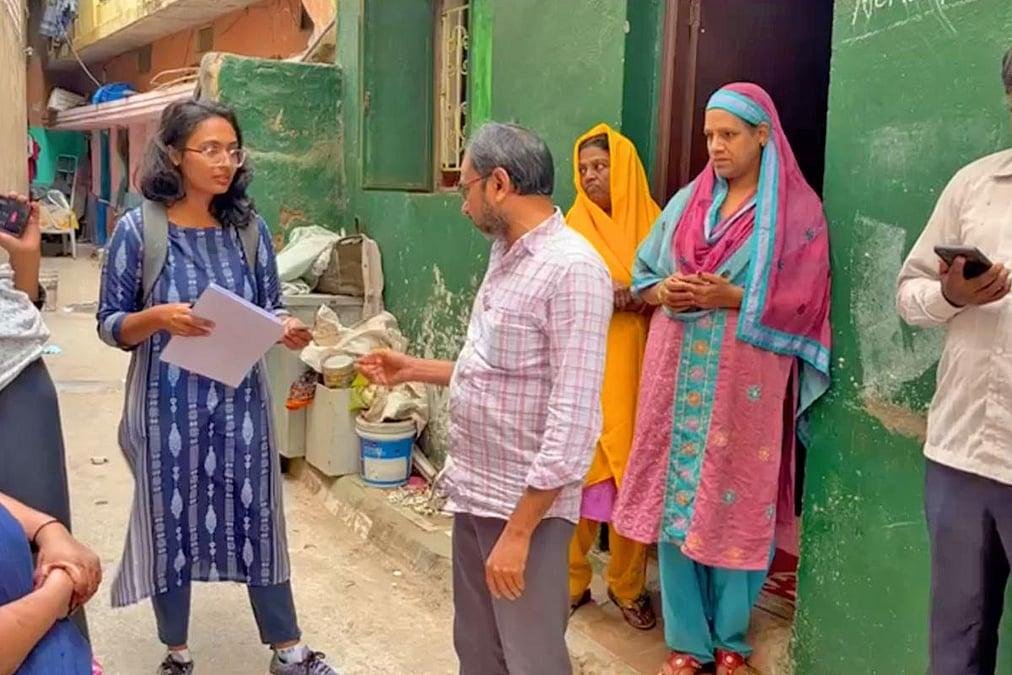
Changes related to elections typically involve efforts to reach out to the public through field visits and voter communication programs. Officials and civic organizations often encourage citizens to verify their details in advance rather than waiting for the announcement of election dates.
This issue has also become a subject of political discourse. In Karnataka, political groups are monitoring the situation and promoting voter awareness to ensure that eligible citizens are not inadvertently left out of the electoral process.
BJP is pushing for thousands of voters to be deleted in a Muslim-dominated Bengaluru area.
Civil society groups argue that awareness campaigns are particularly crucial in major cities like Bengaluru, where residents frequently move between locations and may remain unaware of administrative activities that impact their civic rights.
Experts believe that digital platforms, local outreach campaigns, resident welfare associations, and educational initiatives can help improve understanding of electoral processes. Enhanced communication can reduce confusion and boost public participation.
This survey has reignited a broad discussion regarding voter awareness in India’s rapidly growing cities. While electoral systems are becoming increasingly organized and technology-driven, public participation hinges on people understanding the process and acting within the required timeframes.
For Bengaluru, this survey serves as a reminder that sustaining a healthy democracy goes beyond merely conducting elections; it also depends on citizens knowing how to remain active within the system and register correctly. As efforts to raise awareness continue, the primary focus will remain on ensuring that eligible voters stay informed and prepared.